
The Hidden Driver Behind Effective Incident Response Systems in Security
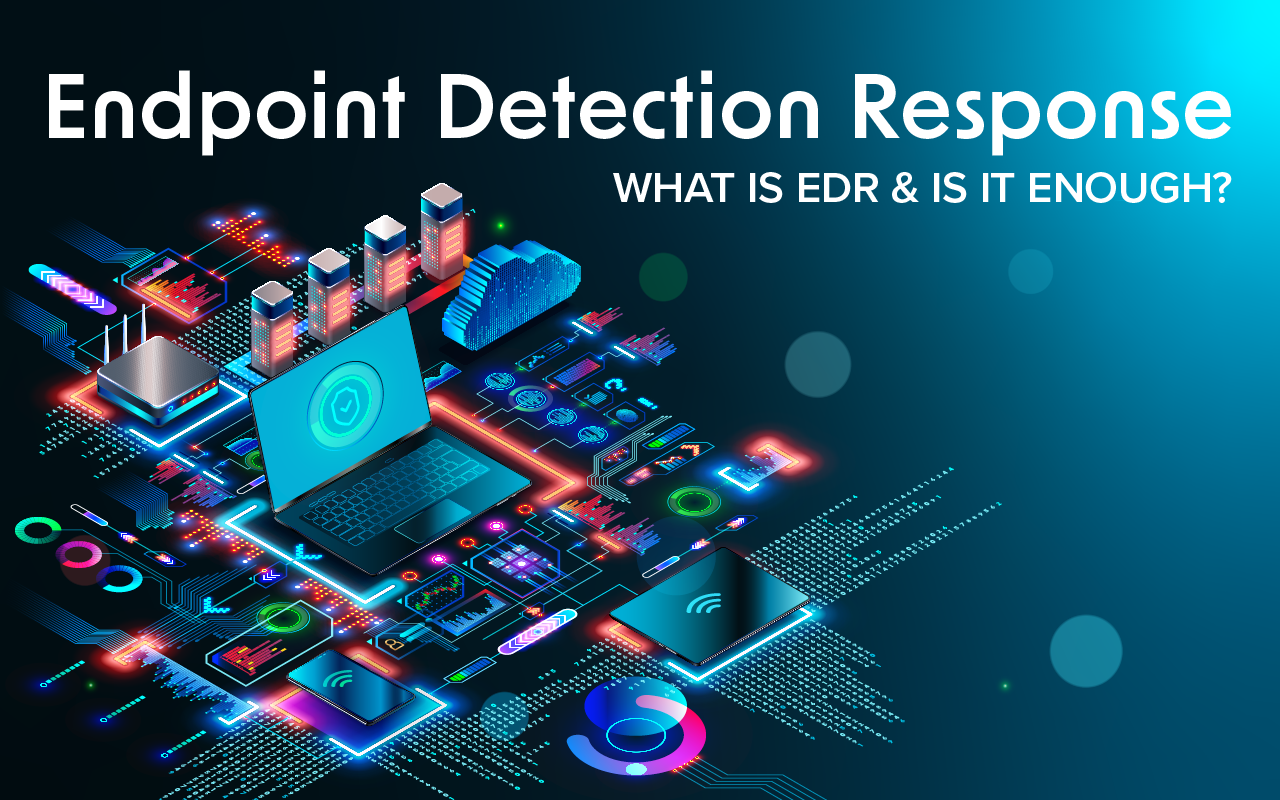
As the Endpoint Detection Response Market accelerates towards an expected USD 60.41 billion valuation by 2035, the role of incident response systems is becoming increasingly crucial. The industry is projected to grow at a CAGR of 22.03%, highlighting the necessity for organizations to invest in robust solutions that facilitate quick and efficient incident management.
Currently, major companies driving growth in the sector include Microsoft, CrowdStrike, and FireEye, all of which are pioneering advanced incident response systems. These organizations leverage cutting-edge technology to streamline incident management processes, ensuring rapid response to security breaches. For instance, Microsoft’s security solutions emphasize integration across various platforms, enabling a holistic approach to incident response. Other key players, such as McAfee and Sophos, focus on continuous monitoring and threat intelligence to enhance their incident response capabilities.
The need for effective incident response systems is primarily driven by the increasing complexity of cyber threats and the growing reliance on digital infrastructures. Organizations are recognizing the critical importance of being able to respond swiftly to incidents, as prolonged response times can lead to significant operational disruptions and financial losses. The advanced threat protection demand is underscored by the rise of ransomware attacks and data breaches, compelling businesses to invest heavily in incident response capabilities. Additionally, the shift toward remote work has intensified the potential exposure of organizations, necessitating a more proactive stance toward security.
Geographically, North America is leading the Endpoint Detection Response Market, attributed to its concentration of high-tech firms and heavy investment in cybersecurity solutions. The healthcare sector stands out in this region, as compliance with regulations like HIPAA drives demand for robust incident response systems. Furthermore, Europe is experiencing growth in this arena, with organizations looking to mitigate risks associated with increasing cyber threats. Asia-Pacific is also becoming a focal point, as companies in this region prioritize cybersecurity to support their digital transformations.
The market dynamics present numerous opportunities for businesses focused on incident response systems. The demand for comprehensive incident management solutions is rising as organizations prioritize compliance with regulatory frameworks. Additionally, the trend towards outsourced security services is gaining momentum, with many organizations seeking external expertise to enhance their incident response capabilities. The growth of cloud computing is also enabling new service delivery models, making it easier for organizations to access advanced incident response technologies.
Looking forward, the Endpoint Detection Response Market is projected to reach USD 60.41 billion by 2035, highlighting a clear trajectory for the adoption of advanced incident response systems. As organizations face increasingly sophisticated threats, the integration of AI and machine learning technologies will be paramount in enhancing their response mechanisms. Organizations must remain agile and adapt to the evolving landscape of threats, ensuring their incident response systems are robust and effective. The future of the Endpoint Detection Response Market will be defined by these proactive strategies.
AI Impact Analysis
AI is reshaping incident response systems by enabling organizations to automate various aspects of incident management. The use of AI-driven analytics allows for rapid identification and categorization of threats, significantly reducing response times. This technology not only enhances the efficiency of incident response but also minimizes the risk of human error during critical situations.
Frequently Asked Questions
Access the report in Japanese, German, French, Korean, Chinese, and Spanish through our dedicated language pages
Marché de la détection et de la réponse aux points de terminaison

 English
 Arabic
 French
 Spanish
 Deutsch
 Turkish
 Dutch
Dutch
 Italiano
 Russian
 Romaian
 Portuguese (Brazil)
 Greek
Greek