
A Practical Guide to Creating Better Storage at Home
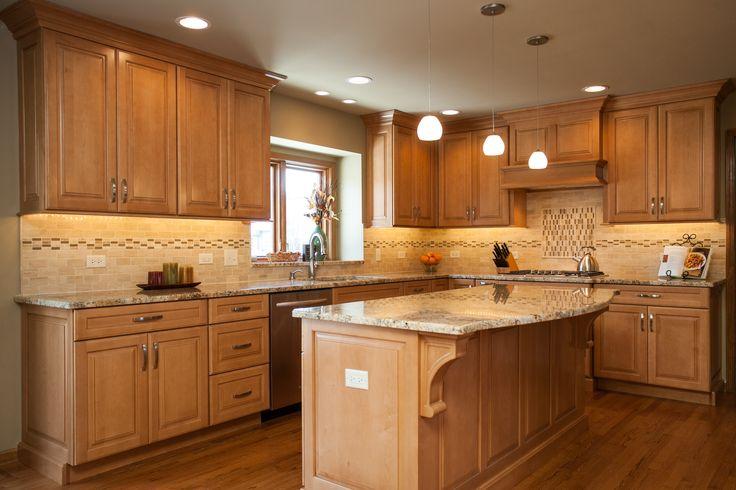
A well-designed home should make everyday tasks easier, especially when storage is planned around the way people actually live. Cabinets can influence how a kitchen, bathroom, office, or living area looks and functions. When standard options fail to match a room’s layout or storage needs, personalized solutions can provide greater flexibility and a more polished result.
Why Personalized Storage Matters
Every room has its own dimensions, traffic patterns, and practical requirements. Ready-made cabinets may leave awkward gaps, waste valuable wall space, or provide shelves that do not fit the items being stored. A personalized approach allows homeowners to consider these details before construction begins.
With Custom Cabinetry Services in Chapel Hill NC, homeowners can create storage that works with the available space instead of forcing the room to accommodate standard measurements. This can be especially useful in kitchens with unusual corners, bathrooms with limited floor area, or home offices that require a combination of open and closed storage.
Making Better Use of Available Space
One of the biggest advantages of tailored cabinetry is the ability to use space efficiently. Tall units can take advantage of vertical areas, while drawers and pull-out sections can make lower storage easier to access. Corner areas can also be designed with practical solutions rather than becoming difficult-to-reach spaces.
Careful planning can turn unused areas into useful storage without making a room feel crowded. The goal is not simply to add more cabinets but to organize belongings in a way that keeps frequently used items accessible while reducing visual clutter.
Choosing Materials and Finishes
Materials have an important effect on both appearance and durability. Wood species, engineered materials, hardware, finishes, and construction methods should all be considered according to the room and its expected use.
Kitchens may require surfaces that can handle frequent cleaning and daily activity, while bathroom cabinetry needs appropriate consideration for moisture. In living areas, appearance may take greater priority, with finishes selected to complement flooring, walls, countertops, and other decorative elements.
Working with Expert Custom Cabinets can also make it easier to coordinate these choices. Professional guidance may help homeowners compare materials and finishes based on durability, maintenance, appearance, and budget rather than selecting products based only on their initial visual appeal.
Designing Around Daily Habits
Good cabinetry should support the routines of the people using it. A kitchen used by a large family may benefit from deep drawers, dedicated pantry storage, and accessible areas for frequently used cookware. A home office may need filing space, cable management, and shelves for books or equipment.
Thinking about daily habits before finalizing the design can prevent common problems later. Homeowners should consider what they store, how often they use it, and which items should remain within easy reach. These simple questions can lead to a much more practical layout.
Balancing Style With Function
Beautiful cabinetry is valuable, but appearance should work alongside usability. A visually attractive design may become frustrating if shelves are difficult to reach or drawers are poorly positioned. Conversely, highly functional storage can feel out of place if its design does not complement the surrounding room.
The strongest results combine both elements. Consistent finishes, suitable hardware, thoughtful proportions, and practical internal layouts can create cabinetry that looks intentional while serving a useful purpose every day.
Planning for Long-Term Value
Cabinetry is a significant investment, so homeowners should think beyond current trends. Neutral finishes and durable construction can provide greater flexibility if other parts of the room change in the future. Adjustable shelving and versatile storage can also help accommodate changing needs.
A thoughtful design can remain useful for years while contributing to a more organized and comfortable home. By considering space, materials, habits, appearance, and long-term requirements together, homeowners can make more confident decisions and avoid compromises associated with poorly planned storage.

 English
 Arabic
 French
 Spanish
 Portuguese
 Turkish
 Dutch
Dutch
 Italiano
 Russian
 Romaian
 Portuguese (Brazil)
 Greek
Greek
