
Key Considerations for Durable Metal Stair Projects
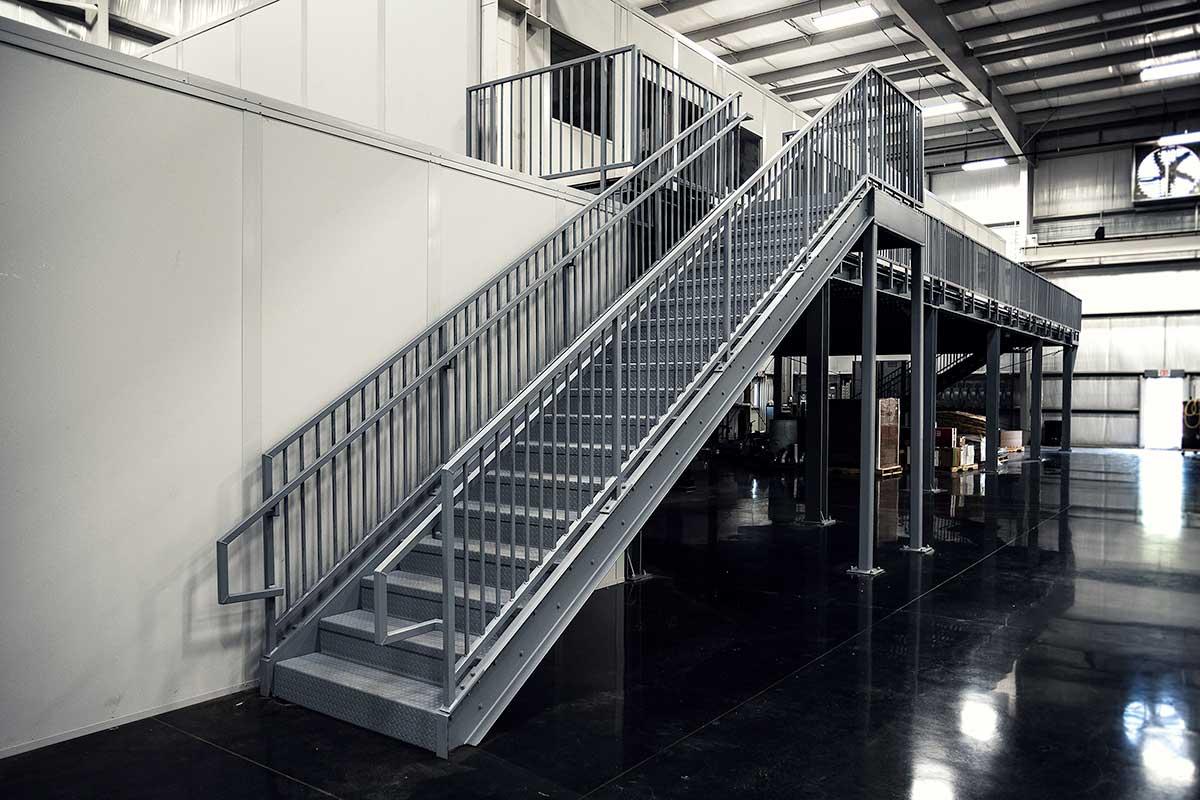
Understanding Commercial Stair Requirements
A staircase in a commercial property needs to support frequent use while fitting naturally into the building's layout. Unlike residential stairs that may experience lighter traffic, commercial installations often need to accommodate employees, customers, deliveries, and visitors throughout the day. Commercial metal stairs Bronx NY can provide a durable option for properties requiring strong and practical access between levels. Careful planning at the beginning helps ensure the finished structure suits its intended purpose.
Evaluating the Available Space
Available space plays an important role in determining the shape and configuration of a staircase. Designers need to consider floor-to-floor height, landing areas, surrounding walls, doors, walkways, and other building features. A staircase that looks appropriate on paper may create access problems if nearby elements are overlooked. Measuring the proposed installation area carefully can help establish practical dimensions and reduce complications during fabrication and installation.
Selecting Appropriate Materials
Metal stairs can be constructed using different types of metal and finishing approaches depending on the property's requirements. Material selection should account for expected traffic, environmental exposure, structural demands, appearance, and maintenance expectations. Interior installations may have different requirements from exterior staircases exposed to rain, temperature changes, and moisture. Choosing suitable materials at the planning stage can contribute to a structure that performs reliably throughout its expected service life.
Focusing on Structural Strength
A commercial staircase needs adequate structural support for the loads it is expected to carry. Stringers, treads, landings, connections, railings, and supporting components all contribute to the overall stability of the structure. Engineering requirements and applicable building standards should be considered before fabrication begins. Proper structural planning can help ensure that the completed staircase is designed around actual site conditions rather than relying on assumptions about the building.
Designing Comfortable Steps
Stair dimensions influence how easily people can use the finished structure. Consistent riser heights, suitable tread depths, appropriate stair angles, and properly positioned landings can contribute to a more comfortable experience. Irregular steps can create unnecessary difficulty and increase the potential for trips. A well-planned design should balance available space with practical movement so that people can travel between floors naturally without the staircase feeling excessively steep or restrictive.
Adding Reliable Railings
Handrails and guardrails are important components of a commercial staircase. They provide users with support while also helping protect people from open edges and elevated areas. Railings should be positioned appropriately and constructed securely so they can withstand normal use. Their design should also complement the staircase and surrounding architecture. Careful attention to railing connections, height, spacing, and material quality can contribute to both safety and long-term durability.
Considering Exterior Conditions
Outdoor metal stairs face environmental conditions that can gradually affect their appearance and performance. Rain, humidity, sunlight, temperature fluctuations, and airborne contaminants can contribute to corrosion or surface deterioration when materials are not properly protected. Appropriate coatings, finishes, drainage considerations, and maintenance practices can help reduce these effects. Exterior installations should be planned according to the specific conditions of the property rather than treated exactly like indoor stair systems.
Planning the Fabrication Process
Accurate fabrication depends on precise measurements and a clear understanding of the finished design. Metal stairs fabrication Bronx NY can involve cutting, forming, welding, assembling, finishing, and preparing components for delivery or installation. Each stage needs to correspond with the approved dimensions and project specifications. Careful fabrication can reduce fitting problems on site and help ensure that individual components connect correctly when the staircase is assembled.
Managing Installation Requirements
Installation can be complex when stair components are large, heavy, or positioned within an active commercial property. Delivery routes, equipment access, working space, and scheduling should be considered beforehand. Businesses may need to coordinate installation around operating hours to reduce disruption to employees and customers. Proper preparation can make the installation process more efficient and reduce unnecessary delays caused by limited access or unexpected site conditions.
Maintaining Metal Stair Structures
Regular maintenance can help preserve both the appearance and functionality of metal stairs. Property managers can periodically inspect railings, connections, walking surfaces, coatings, and areas where moisture may collect. Early signs of corrosion, loose components, damaged finishes, or unusual movement should receive attention rather than being ignored. Cleaning practices should also be appropriate for the selected material and finish. Routine inspections can help identify small concerns before they require more extensive work.
Building a Reliable Stair Solution
A successful metal stair project depends on careful planning, accurate fabrication, suitable materials, proper installation, and ongoing maintenance. Each stage contributes to the final performance of the structure, so overlooking one area can affect the results of another. By considering site conditions, user requirements, safety expectations, and long-term maintenance from the beginning, property owners can create stair systems that remain practical and dependable for everyday commercial use.

 English
 Arabic
 French
 Spanish
 Portuguese
 Deutsch
 Turkish
 Dutch
Dutch
 Italiano
 Russian
 Romaian
 Greek
Greek
