
How Refinishing Can Revive Tired Hardwood Floors
Understanding Hardwood Floor Wear
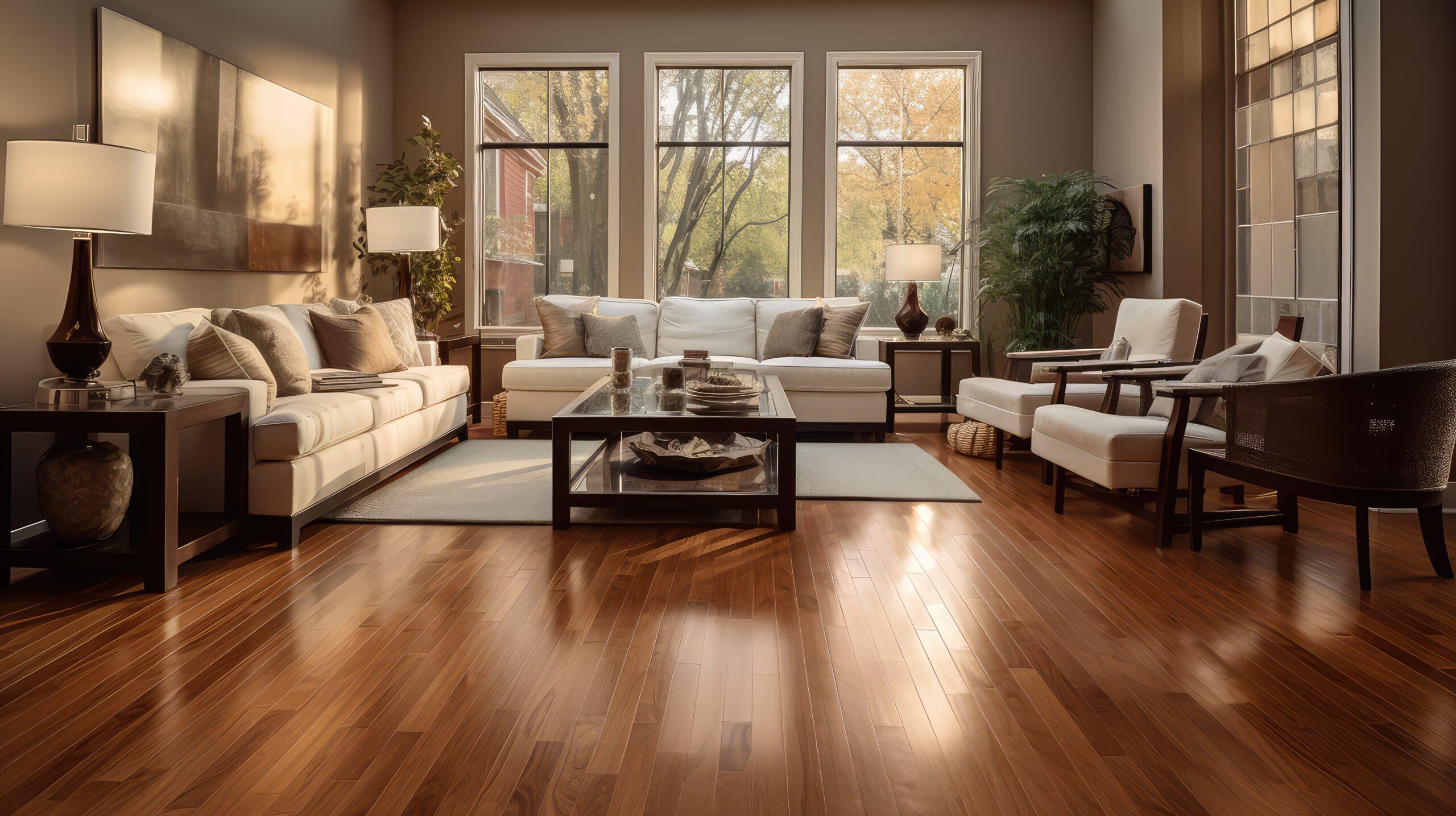
Hardwood flooring can gradually lose its original appearance as years of foot traffic, furniture movement, spills, sunlight, and routine cleaning take their toll. Scratches, dull finishes, discoloration, and minor surface damage may make otherwise attractive floors look tired. Refinishing offers a way to improve the appearance of existing hardwood without necessarily replacing the entire floor, making it a practical option for many residential properties.
Evaluating the Existing Floor
Before beginning a refinishing project, the condition of the flooring should be carefully evaluated. Professionals can look for scratches, worn finish, stains, dents, loose boards, gaps, and other visible concerns. The thickness and condition of the hardwood also matter because sanding removes a small amount of material. A proper assessment helps determine whether refinishing is suitable or whether certain sections require repair or another approach before the finishing process begins.
Removing the Old Finish
One important stage involves preparing the existing surface by removing worn layers of finish and smoothing imperfections. Sanding can eliminate many surface scratches and uneven areas while creating a suitable foundation for a new finish. The process needs to be performed carefully because excessive sanding can affect the flooring. Dust management is also important during this stage, particularly when the work is performed inside an occupied home.
Addressing Surface Imperfections
Not every flooring problem can be solved simply by applying a new finish. Deep scratches, dents, damaged boards, discoloration, or areas affected by moisture may require additional attention. Professionals can determine which imperfections are primarily cosmetic and which indicate a need for repair. Hardwood Floor Refinishing Services in Atlanta GA can help homeowners address worn surfaces while considering the existing condition and characteristics of the flooring before restoration work begins.
Choosing a Suitable Finish
The finish selected for hardwood flooring influences both appearance and durability. Different products can provide different levels of sheen, color, protection, and maintenance requirements. Homeowners should consider how much traffic the floor receives and whether they prefer a subtle or more noticeable appearance. A suitable finish should complement the home's interior while providing appropriate protection against everyday wear, spills, and repeated foot traffic.
Preparing the Room
Proper preparation can help the refinishing process proceed efficiently. Furniture, rugs, decorations, and other belongings generally need to be removed from the work area. Homeowners should also plan for limited access while sanding and finishing are underway. Depending on the products being used, ventilation requirements and drying times may affect when rooms can safely return to normal use. Understanding these details beforehand helps reduce disruption during the project.
Protecting Surrounding Areas
Sanding and finishing can affect more than the floor itself if surrounding surfaces are not adequately protected. Baseboards, walls, cabinetry, doorways, and nearby furniture can require appropriate preparation. Dust containment can also help limit the spread of fine particles into other parts of the property. Taking time to protect adjacent areas can make cleanup easier and reduce the possibility of accidental damage during the refinishing process.
Working With Experienced Professionals
Hardwood refinishing involves specialized equipment, surface preparation, sanding techniques, stain application, and finishing procedures. Hardwood Flooring Contractors can provide professional assistance when homeowners want the project handled with appropriate tools and techniques. Experience can be particularly useful when flooring has uneven wear, previous repairs, multiple finish layers, or delicate wood characteristics. Professional guidance can also help homeowners select an approach suited to their flooring rather than relying on a generic method.
Managing Dust During Sanding
Traditional sanding can produce considerable dust, making containment an important consideration for indoor projects. Modern equipment and professional procedures may help reduce airborne particles, although some level of dust management is still necessary. Homeowners should discuss preparation and cleanup expectations before work begins. Protecting vents, separating work areas, and keeping unnecessary belongings away from the project space can help make the process more manageable.
Knowing When Refinishing Is Appropriate
Refinishing can be highly effective when the primary concerns involve surface wear and an aging finish, but it is not suitable for every flooring problem. Severely damaged boards, extensive moisture deterioration, or structural concerns may require replacement or specialized repair. A professional evaluation can help determine the most practical solution based on the flooring's condition, age, construction, and remaining material.
Creating a Renewed Living Space
Well-maintained hardwood can contribute warmth, character, and visual continuity throughout a home. Addressing surface wear before it becomes extensive can make maintenance easier and help preserve the flooring's natural appeal. With careful preparation and suitable professional treatment, an aging floor can receive a refreshed appearance while continuing to serve the household for many years. Thoughtful upkeep afterward helps maintain the results and supports lasting enjoyment.

 English
 French
 Spanish
 Portuguese
 Deutsch
 Turkish
 Dutch
Dutch
 Italiano
 Russian
 Romaian
 Portuguese (Brazil)
 Greek
Greek
