
How Deep Cleaning Can Improve Commercial Spaces
Understanding Commercial Cleaning Needs
A clean commercial environment can influence how employees, customers, visitors, and business partners experience a property. Daily cleaning may handle visible dirt and routine messes, but some areas gradually collect dust, grease, residue, and other buildup that requires more detailed attention. A deeper cleaning approach focuses on overlooked surfaces and difficult areas, helping businesses maintain a more orderly environment while supporting consistent standards of cleanliness throughout the property.
Identifying High-Traffic Areas
Entrances, hallways, reception areas, break rooms, restrooms, and shared workspaces often receive substantial daily traffic. Constant use can lead to accumulated dirt around floors, doors, handles, corners, and other frequently touched surfaces. Identifying these areas can help businesses determine where additional attention is needed. A detailed cleaning plan should account for the property's layout and the activities performed in each area rather than treating every space exactly the same.
Paying Attention to Floors
Commercial floors can collect dirt, dust, food particles, stains, and moisture throughout the day. Different flooring materials require different cleaning methods, so the approach should be selected according to the surface. Carpeting may require detailed vacuuming and spot treatment, while hard flooring can need sweeping, mopping, or more intensive cleaning. Commercial Deep Cleaning Services in Hermosa Beach CA can help businesses address accumulated buildup and maintain cleaner, more presentable flooring throughout their facilities.
Cleaning Hard-to-Reach Areas
Some of the most overlooked areas are located above eye level, underneath furniture, behind equipment, and along edges or corners. Ceiling fans, vents, light fixtures, baseboards, shelving, and narrow spaces can gradually collect dust that routine cleaning may not remove. Addressing these locations periodically can make a noticeable difference in the overall appearance of a commercial property. A systematic process helps ensure that cleaning does not focus exclusively on obvious surfaces.
Maintaining Restrooms Properly
Restrooms require consistent attention because they are used frequently and can quickly develop odors, residue, and visible buildup. Sinks, toilets, faucets, mirrors, floors, partitions, dispensers, and surrounding surfaces should all receive appropriate care. Regularly cleaning high-contact areas can also contribute to a more comfortable environment for employees and visitors. Detailed cleaning sessions can focus on areas that may receive less attention during ordinary daily maintenance.
Improving Break Room Conditions
Break rooms can accumulate food residue, grease, spills, crumbs, and waste because employees use these spaces throughout the day. Countertops, cabinet fronts, appliances, sinks, tables, chairs, and floors should be included in a thorough cleaning routine. Refrigerators and microwaves may also require periodic attention depending on workplace policies. Keeping shared eating areas orderly can encourage employees to maintain cleaner habits and create a more pleasant environment for everyone.
Addressing Office Surfaces
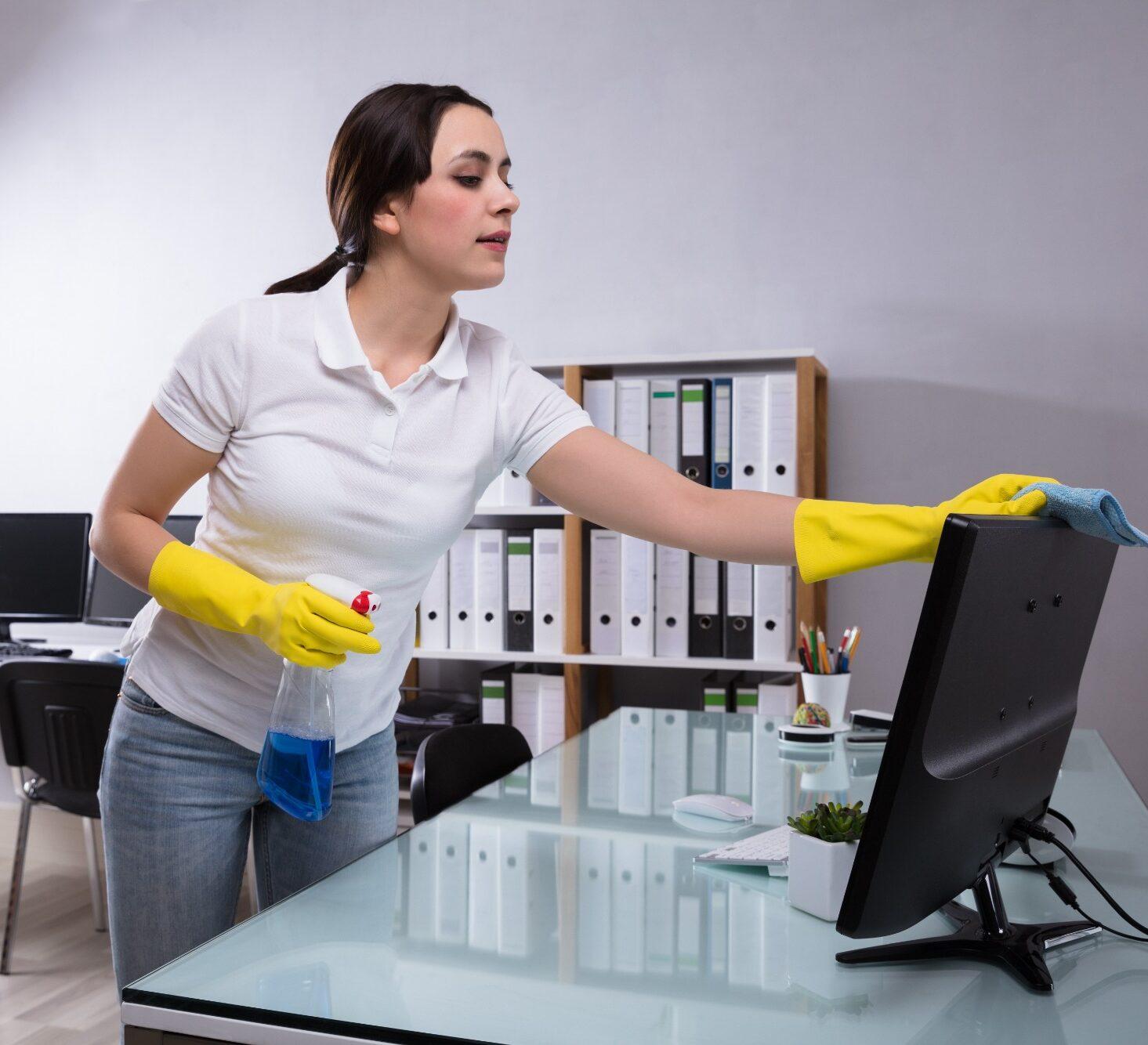
Desks, conference tables, shelves, partitions, doors, and other surfaces can collect dust and fingerprints through normal workplace activity. While employees may clean their individual workspaces, shared areas can require a more organized approach. Detailed cleaning should consider both visible surfaces and less noticeable locations where dust accumulates. Businesses can benefit from establishing cleaning schedules that distinguish routine maintenance from periodic tasks requiring additional time and attention.
Supporting Indoor Air Quality
Dust and airborne particles can settle on surfaces throughout a commercial building, particularly in areas that are difficult to access regularly. Cleaning vents, accessible fixtures, surfaces, and other appropriate areas can help reduce accumulated dust. HVAC systems themselves require specialized maintenance beyond ordinary cleaning, but keeping surrounding spaces clean can support a more orderly environment. Businesses should also address moisture problems promptly to avoid creating additional indoor concerns.
Choosing a Detailed Cleaning Schedule
Deep cleaning does not necessarily need to occur every day. Businesses can establish schedules according to building size, occupancy, industry, operating hours, and the level of daily activity. High-use facilities may require more frequent attention, while lower-traffic offices may schedule intensive cleaning periodically. Deep Cleaning Services can provide additional support when a business needs more extensive cleaning than its normal routine provides, particularly after busy periods, renovations, events, or seasonal changes.
Preparing Before Professional Cleaning
Preparation can help cleaning teams work efficiently. Employees may need to remove personal belongings from surfaces, secure confidential documents, relocate movable items, or identify areas requiring special attention. Businesses should communicate access requirements and any important restrictions before cleaning begins. Clear preparation reduces interruptions and allows professionals to concentrate on cleaning rather than spending unnecessary time determining where equipment or supplies can safely be used.
Creating a Professional Impression
The condition of a commercial property can influence first impressions. Customers entering a clean reception area may perceive the business as organized and attentive to detail, while employees may appreciate working in an orderly environment. Clean floors, clear surfaces, maintained restrooms, and properly cared-for shared spaces can contribute to a more welcoming atmosphere. Although cleanliness is only one aspect of a business, it can play an important role in how the workplace is perceived.
Building a Cleaner Environment
A well-maintained commercial property requires consistency rather than occasional attention alone. Routine cleaning, organized workspaces, appropriate maintenance schedules, and periodic detailed attention can work together to create a cleaner and more comfortable environment. By identifying overlooked areas and addressing accumulated buildup systematically, businesses can maintain their facilities more effectively and provide employees, customers, and visitors with a space that feels cared for and professionally maintained.

 English
 Arabic
 French
 Spanish
 Portuguese
 Deutsch
 Turkish
 Dutch
Dutch
 Russian
 Romaian
 Portuguese (Brazil)
 Greek
Greek
