
How Proper Furniture Preparation Makes Moving Easier
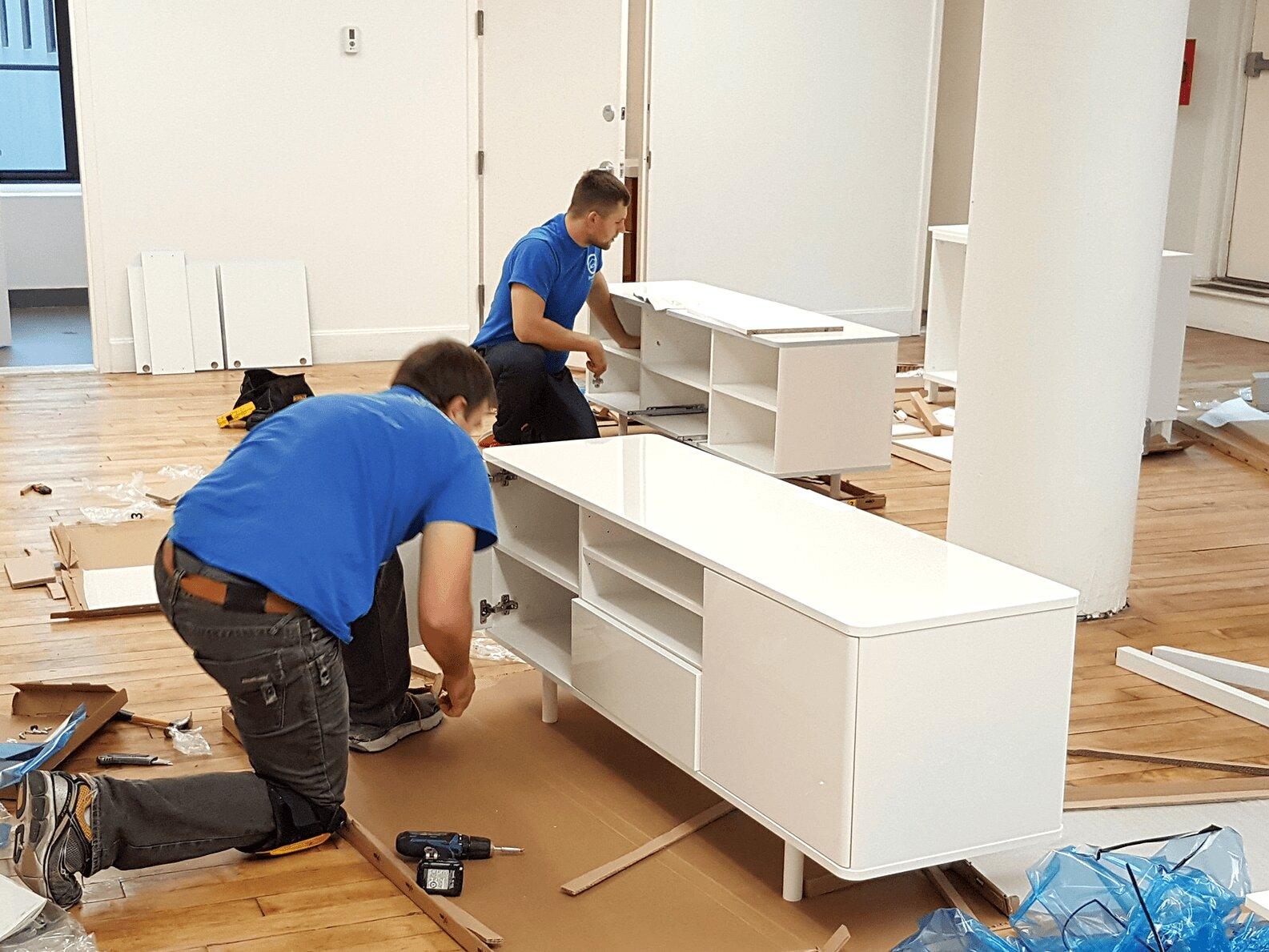
Preparing Furniture Before a Move
Large furniture can create some of the biggest challenges during relocation. Beds, wardrobes, dining tables, desks, shelving units, and sectional pieces may be difficult to carry through narrow hallways or doorways when left fully assembled. Proper preparation can make these items easier to handle while reducing unnecessary strain on both the furniture and the people moving it. Planning ahead also helps prevent last-minute complications during loading.
Protecting Furniture During Preparation
Furniture surfaces can be vulnerable to scratches, dents, and other damage during handling. Before disassembly begins, delicate finishes, glass components, mirrors, and decorative elements should be protected appropriately. Padding or protective materials can help reduce contact between surfaces and prevent pieces from rubbing together. Taking photographs before removing components can also provide a useful visual reference when the furniture needs to be assembled again at the destination.
Keeping Hardware Organized
Small screws, bolts, brackets, washers, and other hardware can easily become separated during a move. Losing even one important piece may make reassembly difficult. Hardware should be placed in labeled bags or containers and associated with the correct furniture item. Attaching the labeled bag securely to the corresponding piece can make it easier to locate later. Keeping a basic inventory can provide additional reassurance when several pieces are disassembled simultaneously.
Handling Large Bedroom Furniture
Beds, wardrobes, dressers, and other bedroom furnishings often require careful preparation because of their size and weight. Removing drawers, shelves, legs, and detachable panels can reduce weight and make individual components easier to carry. Drawers should be secured separately rather than left loose inside furniture during transportation. Heavy items should also be handled with appropriate lifting techniques to reduce the chance of injury or accidental damage.
Preparing Dining and Living Room Pieces
Dining tables, entertainment centers, bookshelves, sofas, and sectional furniture can have different disassembly requirements. Table legs may need to be removed, shelving may need to be separated, and sectional sofas may have detachable sections. Each component should be protected according to its material and shape. Measuring furniture and doorways before moving day can also help determine whether additional preparation is necessary.
Managing Fragile Components
Glass doors, mirrors, shelves, decorative panels, and other delicate components require additional attention. These pieces should be removed when appropriate and protected separately from heavier furniture parts. Wrapping materials can help cushion surfaces during transportation, while clearly identifying fragile components can remind movers to handle them carefully. Keeping delicate pieces away from heavy boxes can further reduce the possibility of pressure damage during loading and unloading.
Making Narrow Spaces Easier to Navigate
Hallways, staircases, elevators, and doorways can become difficult obstacles when large furniture remains fully assembled. Furniture Disassembly Triangle VA services can help homeowners prepare oversized pieces so they can be moved through challenging spaces more efficiently. Professional assistance can be especially useful when furniture is heavy, expensive, unusually shaped, or difficult to dismantle without risking damage to its structure or finish.
Planning the Loading Process
Furniture should be loaded with consideration for weight, stability, and available space. Heavy pieces generally need secure positioning, while lighter or fragile components require protection from pressure and movement. Disassembled parts should be grouped together whenever practical so they remain easy to identify after arrival. A planned loading sequence can also reduce unnecessary handling and help make better use of the moving vehicle's available capacity.
Choosing Professional Moving Assistance
Relocation involves much more than transporting boxes from one address to another. Professional Moving Company support can provide assistance with preparation, lifting, loading, transportation, unloading, and furniture placement depending on the services offered. Experienced movers can also bring appropriate equipment for handling heavy or awkward items. Professional support may be particularly valuable when homeowners are dealing with large furniture collections, multiple floors, tight access points, or demanding schedules.
Protecting Floors and Property
Moving large furniture can potentially affect walls, flooring, door frames, and other parts of the property. Before work begins, pathways should be cleared of unnecessary obstacles. Protective coverings may be useful on vulnerable floors, while corners and narrow passageways can require additional care. Taking these precautions helps reduce the likelihood of accidental marks or damage while furniture is being removed from the original property and brought into the new one.
Making the Move More Efficient
Careful furniture preparation can simplify transportation while helping protect valuable belongings. Disassembling appropriate pieces, labeling hardware, protecting delicate surfaces, measuring access points, and planning the loading process can all contribute to a smoother relocation. Professional assistance can provide additional support when furniture is particularly large or difficult to handle. A well-organized approach ultimately helps transform a demanding moving task into a more manageable process.

 English
 Arabic
 French
 Spanish
 Portuguese
 Deutsch
 Turkish
 Dutch
Dutch
 Italiano
 Russian
 Portuguese (Brazil)
 Greek
Greek
