
What to Know Before Scheduling a Property Inspection
Understanding the Purpose of an Inspection
A property inspection provides valuable information about the visible and accessible condition of a home at a particular point in time. It can help buyers understand potential concerns before completing a purchase and can also help homeowners become more aware of maintenance needs. In Tennessee, a home inspection is not legally required before buying or selling a property, but state guidance recommends using a licensed inspector for informed decision-making.
Looking Beyond the Surface
A home can appear attractive during a showing while still having problems that are difficult to notice without a systematic evaluation. Inspectors generally review accessible structural components, roofing, exterior areas, heating and cooling systems, plumbing, electrical systems, and other visible portions of the property. The purpose is to describe the home's physical condition rather than simply judge its appearance.
Evaluating Structural Components
The structural condition of a home deserves particular attention because problems in foundations, floors, walls, framing, or supporting components can become expensive if overlooked. Inspectors look for visible indications that may suggest deterioration, movement, water damage, or other concerns. A professional inspection does not replace specialized engineering evaluation when serious structural questions arise, but it can help identify areas that deserve additional investigation.
Reviewing the Exterior
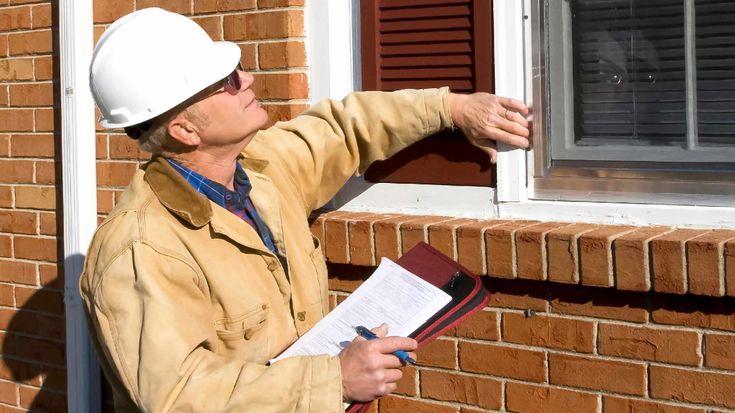
Exterior components help protect a property from weather and moisture, making their condition important for long-term maintenance. An inspection may consider visible siding, trim, windows, doors, exterior surfaces, drainage areas, garages, and other accessible components. Buyers can use this information to understand which exterior features appear serviceable and which may require maintenance, repair, or further professional evaluation after the inspection.
Checking the Roofing System
The roof is one of the property's primary protective barriers, so visible deterioration can be an important finding. Inspectors may examine the roofing system and related components within the limits of the inspection scope. Tennessee guidance notes that home inspectors are not required to physically walk a roof, which means the inspection method can depend on accessibility and safety conditions.
Examining Interior Areas
Interior rooms can reveal signs of moisture intrusion, damaged surfaces, ventilation concerns, poor operation, or other conditions that may not be obvious during a quick walkthrough. Kitchens, bathrooms, bedrooms, living areas, closets, and accessible storage spaces can all provide useful information. Homeowners and buyers should understand that personal belongings or inaccessible areas can limit what an inspector is able to observe during the evaluation.
Reviewing Plumbing and Electrical Systems
Plumbing and electrical systems are essential to everyday household operation, so their visible condition and basic functionality are important parts of many residential inspections. Inspectors can identify observable concerns involving fixtures, wiring, panels, outlets, water-related components, and other accessible features. Tennessee's home inspection guidance emphasizes that inspectors evaluate these systems but do not perform specialized work that requires separate plumbing or electrical licensing.
Assessing Heating and Cooling Equipment
Heating and cooling systems influence comfort throughout the year and can represent significant replacement costs when major problems occur. An inspection may evaluate accessible components and observe whether equipment appears to operate as intended at the time of inspection. Residential Property Inspections near Hendersonville TN can give homeowners or prospective buyers useful information about visible conditions affecting the property and help identify areas that may need further attention.
Paying Attention to Attic and Crawl Spaces
Attics, basements, and crawl spaces can contain important clues about a home's condition, including signs of moisture, ventilation concerns, insulation issues, structural changes, or other visible conditions. However, access is not always possible. Tennessee specifically notes that inspectors are not required to enter crawl spaces when they are obstructed, inaccessible, dangerous, or likely to cause damage.
Understanding Inspection Reports
A detailed report can make inspection findings easier to understand after the appointment. Reports may identify observed conditions, provide photographs, describe areas requiring attention, and distinguish between routine maintenance and concerns that warrant further evaluation. The report should not be viewed as a simple pass-or-fail document. Instead, it provides information that buyers and property owners can use when deciding what should be repaired, monitored, or investigated further.
Preparing the Property
Preparation can help Property Inspection proceed more efficiently. Utilities should generally be available, attic and crawl-space access should be clear when those areas are intended to be inspected, and electrical panels or mechanical equipment should not be blocked by stored belongings. Removing obstacles from sinks, tubs, appliances, rooms, and storage areas can also give the inspector better access to visible components and reduce unnecessary limitations.
Choosing the Right Professional
Selecting a properly qualified inspector is an important part of obtaining useful information. Tennessee operates a Home Inspector Licensing Program intended to ensure that qualified individuals provide professional opinions regarding home conditions. Before scheduling an inspection, homeowners and buyers can verify licensing information and discuss the inspection scope, reporting process, accessibility limitations, and any additional services that may be relevant to the property.
Making Informed Property Decisions
An inspection can provide a clearer understanding of a home's condition before major decisions are made. It may reveal maintenance needs, identify visible defects, and highlight areas where specialized professionals should conduct additional evaluation. Buyers can use the findings during their decision-making process, while existing homeowners can use them to prioritize future maintenance. Careful interpretation of the report can make property ownership more informed and manageable.

 English
 Arabic
 French
 Spanish
 Portuguese
 Deutsch
 Turkish
 Dutch
Dutch
 Russian
 Romaian
 Portuguese (Brazil)
 Greek
Greek
