Understanding a Sidewalk Violation
A damaged sidewalk can create safety concerns for pedestrians and may result in an official notice from New York City’s Department of Transportation. Common defects include cracked or missing sidewalk sections, uneven surfaces, loose flags, undermined areas, and trip hazards. Property owners are generally responsible for maintaining the sidewalk adjoining their property, so addressing identified problems promptly is important.
Why Prompt Action Matters
Receiving a violation does not mean the property owner should ignore the notice until the problem becomes more serious. NYC DOT generally gives property owners 75 days after receiving a Notice of Sidewalk Violation to make the required repairs. If repairs are not started within that period, the City may arrange the work and later bill the property owner for the associated costs.
Identifying Common Sidewalk Defects
Several conditions can lead to a sidewalk violation. Cracks that extend through a sidewalk flag, missing sections, loose or rocking concrete, voids underneath the surface, and uneven areas that create trip hazards can require corrective work. Properly identifying the defects marked in the Preliminary Inspection Report helps property owners understand which sections need attention and what work may be necessary.
Planning the Repair Work
Property owners should avoid treating sidewalk repairs as ordinary cosmetic improvements. The replacement work needs to follow applicable NYC DOT specifications, and the appropriate permit must be obtained before qualifying construction begins. DOT sidewalk violation Bronx NY concerns can therefore require careful coordination between the property owner, contractor, and permitting process to make sure the damaged areas are properly addressed and prepared for the required inspection.
Selecting Qualified Professionals
Choosing an experienced contractor can make the repair process easier and help reduce problems during inspection. Construction company Bronx NY services can be useful for property owners who need professional assistance with concrete work, preparation, reconstruction, and project coordination. NYC guidance recommends hiring a contractor familiar with DOT sidewalk specifications and checking licensing information before selecting a company.
Handling Permits Correctly
A sidewalk repair associated with removing a violation requires appropriate permitting, even when the project might otherwise qualify for an exception based on its size. NYC311 states that a licensed contractor must obtain a sidewalk opening permit before beginning qualifying repair work. Understanding the permit requirements before construction starts can prevent unnecessary delays and help keep the project aligned with city procedures.
Following Proper Construction Standards
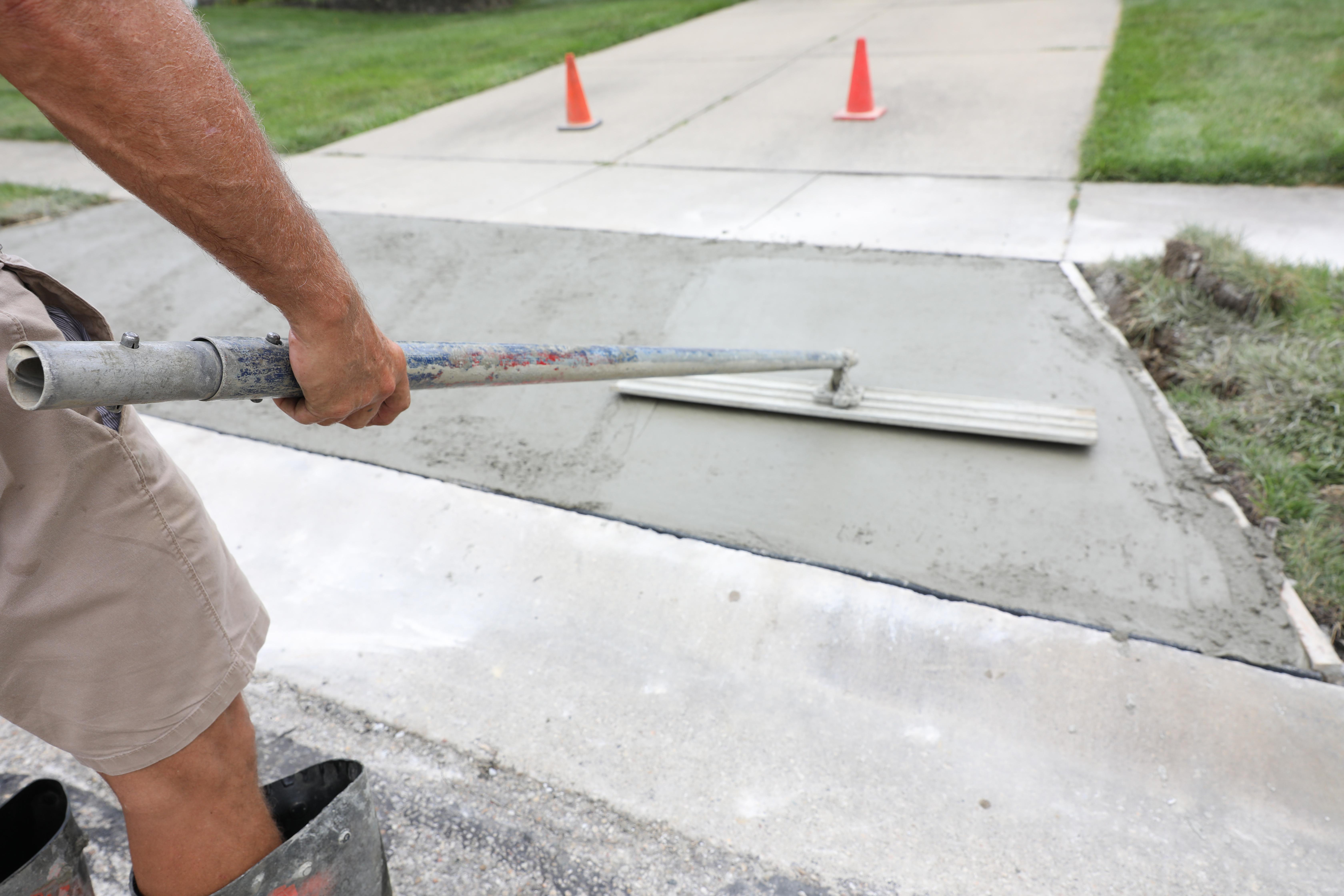
Sidewalk replacement involves more than removing damaged concrete and pouring new material. Contractors need to follow applicable specifications concerning the sidewalk surface, expansion joints, grades, and other construction details. Following the required standards is important because the completed work will be reviewed during a dismissal inspection. Proper preparation and installation can help prevent the repaired area from being rejected for incomplete or unsuitable work.
Considering Drainage and Surface Conditions
A sidewalk should provide a stable, reasonably even walking surface while allowing water to move appropriately. Poor slopes, damaged sections, or improperly completed repairs can create drainage concerns and additional deterioration. When planning reconstruction, contractors should evaluate the surrounding surface rather than focusing only on the most obvious crack. Addressing related defects during the project can contribute to a more complete and durable repair.
Managing Tree-Related Damage
Tree roots can sometimes contribute to sidewalk deterioration and uneven surfaces. The appropriate responsibility can depend on the type of property and the circumstances surrounding the damage. NYC currently notes that one-, two-, and three-family properties may qualify for special treatment when sidewalk damage is caused solely by City trees, while certain other properties remain responsible for tree-related defects.
Completing the Dismissal Process
Repairing the sidewalk is only part of resolving a violation. After private repairs are completed, the property owner should request a sidewalk violation dismissal inspection through 311. The required information includes the permit number, property address, block and lot information, and violation number. An inspector will review the completed work, and the violation can be removed once the repairs are confirmed satisfactory.
Protecting the Property Long Term
A properly repaired sidewalk can improve pedestrian safety, reduce ongoing maintenance concerns, and help property owners avoid complications associated with unresolved violations. Since an outstanding violation can remain on record and potentially affect property transactions, addressing the issue promptly is a practical part of responsible property maintenance. Professional planning, appropriate permitting, quality workmanship, and completion of the dismissal process can provide a more reliable path toward resolving sidewalk concerns.


 English
 Arabic
 French
 Spanish
 Portuguese
 Turkish
 Dutch
Dutch
 Italiano
 Russian
 Romaian
 Portuguese (Brazil)
 Greek
Greek
