
What to Consider Before Updating Your Home Bathroom
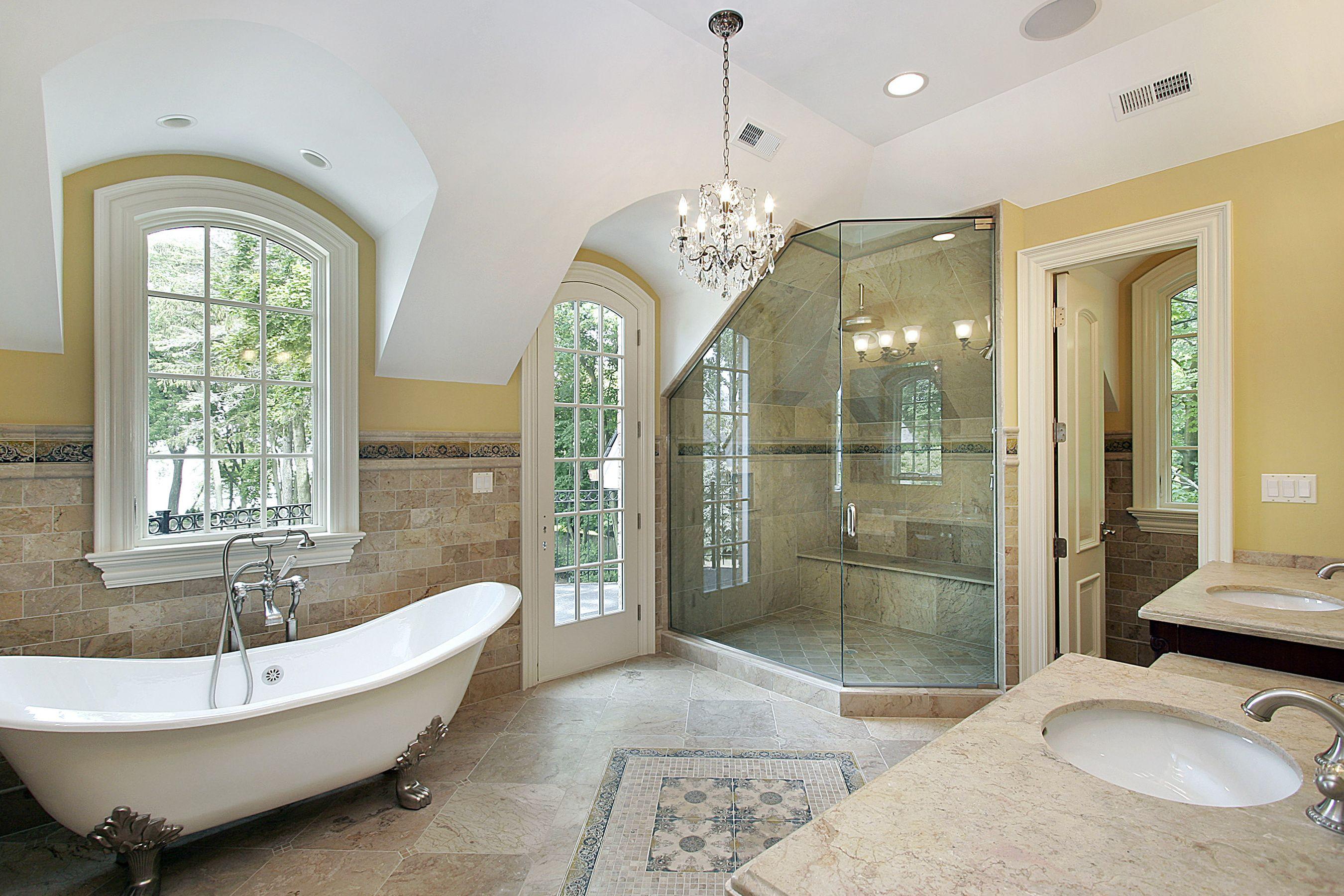
Start With a Clear Remodeling Vision
A successful bathroom renovation begins with a clear understanding of how the space should function after the work is complete. Homeowners may want better storage, improved lighting, updated fixtures, or a more comfortable layout. Establishing priorities early helps keep design decisions focused and makes it easier to balance appearance with practical needs. A thoughtful plan can also reduce unnecessary changes once construction begins.
Evaluate the Existing Layout
The current bathroom arrangement provides an important starting point for the project. Consider the placement of the shower, bathtub, toilet, vanity, doors, and available walking space before deciding whether major structural changes are necessary. Sometimes a more efficient arrangement can improve usability without completely changing the room. When extensive modifications are planned, the existing plumbing and electrical configuration should also be considered.
Improve Everyday Functionality
A beautiful bathroom should also be convenient to use every day. Storage, counter space, ventilation, lighting, and accessibility can all influence the experience of the finished room. Bathroom design and remodeling Bronx NY projects can be planned around the specific habits of the household, whether that means creating additional storage for toiletries, improving morning routines, or making the room easier for different family members to navigate.
Choose Materials for the Environment
Bathrooms experience frequent exposure to moisture, humidity, cleaning products, and temperature changes. Materials should therefore be selected with durability and maintenance in mind. Flooring, wall surfaces, cabinetry, countertops, and hardware all need to suit the conditions of the room. Choosing materials simply because they look attractive may lead to unnecessary maintenance later, while practical selections can provide a better combination of appearance and long-term performance.
Create Better Storage Solutions
Limited storage can make even a spacious bathroom feel cluttered. Vanity drawers, recessed shelving, wall-mounted cabinets, and built-in niches can provide useful places for towels, toiletries, cleaning supplies, and everyday items. Storage should be planned according to how the room will actually be used. Keeping frequently accessed products within easy reach while placing less-used items in higher or enclosed areas can improve organization.
Pay Attention to Lighting
Good lighting can dramatically influence both appearance and functionality. A combination of general illumination, task lighting, and carefully positioned fixtures can make the room more comfortable throughout the day. Vanity lighting is particularly important because shadows around the face can make grooming difficult. Natural light should also be considered where available, while suitable window treatments can provide privacy without unnecessarily reducing daylight.
Select Fixtures Carefully
Fixtures contribute to both the visual character and practical performance of a bathroom. Faucets, shower systems, toilets, sinks, mirrors, and other components should work together in terms of scale and design. Homeowners should also consider ease of cleaning, water usage, durability, and compatibility with the existing infrastructure. Coordinating these details before installation can create a more cohesive result and help prevent last-minute substitutions.
Think About Ventilation
Moisture management is an essential part of bathroom planning. Steam from showers and baths can increase humidity, particularly when ventilation is inadequate. Over time, persistent moisture may contribute to unpleasant odors, surface deterioration, or other problems. An appropriately sized ventilation system can help move humid air out of the room. Windows can provide additional airflow when practical, but mechanical ventilation may remain important for consistent moisture control.
Plan for Long-Term Comfort
A remodeling project should account for more than immediate style preferences. Homeowners may benefit from features that make the bathroom comfortable and useful for many years. Walk-in shower designs, convenient storage heights, slip-resistant surfaces, and thoughtfully positioned controls can improve usability. Considering future needs during the planning stage can be easier and more economical than modifying the space again after construction is finished.
Coordinate the Construction Process
Professional planning becomes especially valuable when a renovation involves multiple trades or structural modifications. Residential Contractors Bronx can help coordinate different stages of construction, including demolition, preparation, installation, finishing work, and final adjustments. Keeping the sequence organized can reduce conflicts between trades and help ensure that plumbing, electrical work, surfaces, cabinetry, and fixtures are completed in an appropriate order.
Establish a Realistic Project Budget
A detailed budget should account for materials, labor, preparation, fixtures, finishing details, and possible unexpected conditions behind existing walls or floors. Setting aside a reasonable contingency can provide flexibility if hidden damage or necessary upgrades are discovered. Homeowners should also distinguish between essential improvements and decorative upgrades. This makes it easier to prioritize spending while protecting the most important functional aspects of the renovation.
Consider Quality Over Short-Term Trends
Bathroom styles change frequently, but permanent installations are not always easy to replace. Choosing timeless foundations and introducing current trends through replaceable accessories can create a design that remains appealing longer. Neutral surfaces, durable fixtures, and adaptable storage can provide a flexible base, while mirrors, hardware, textiles, and decorative elements can be changed later without requiring another major renovation.
Prepare for a Better Finished Space
A well-planned bathroom renovation combines thoughtful design with practical construction decisions. By evaluating the layout, selecting suitable materials, improving storage, planning effective lighting, and considering ventilation and long-term comfort, homeowners can create a space that serves their needs more effectively. Careful coordination throughout the project can further support a smooth transformation and help ensure that the finished bathroom feels both functional and intentionally designed.

 English
 Arabic
 French
 Spanish
 Portuguese
 Deutsch
 Dutch
Dutch
 Italiano
 Russian
 Romaian
 Portuguese (Brazil)
 Greek
Greek
