
How Professional Care Helps Restore Damaged Carpets
Understand the Effects of Water Damage
Water exposure can affect carpeting in several ways depending on how much moisture is present, how long it remains, and what caused the incident. Saturated fibers, damp padding, unpleasant odors, discoloration, and weakened materials may develop when moisture is not addressed promptly. A careful assessment is important before deciding whether a carpet can be restored or requires replacement.
Find the Source First
Repair work should begin by identifying where the moisture originated. A plumbing leak, appliance overflow, roof problem, or accidental spill may each require a different response. If the source continues releasing water, cleaning the carpet alone will not solve the underlying issue. Stopping the source and evaluating surrounding areas can help prevent additional moisture-related problems.
Assess the Carpet's Condition
Not every wet carpet has the same restoration requirements. Professionals may consider the type of carpet, backing, padding, amount of water involved, duration of exposure, and visible condition. Water Damage Repair Services can help determine what treatment is appropriate after these factors have been evaluated, rather than relying on a standard procedure for every situation.
Remove Excess Moisture
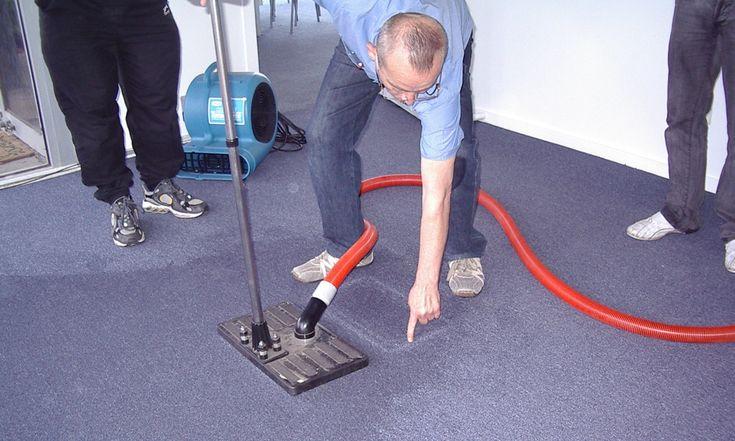
Standing water should be addressed as quickly as possible because prolonged saturation can affect carpet fibers and underlying materials. Professional extraction equipment can remove substantial amounts of moisture more efficiently than ordinary household methods. The affected area may then require additional drying measures to reduce remaining dampness in both the carpet and its underlying padding.
Dry the Underlying Padding
Carpet padding can retain considerable moisture beneath the visible surface. Even when the carpet appears relatively dry, dampness may remain underneath. Professionals may need to lift sections of carpeting or use specialized drying equipment to determine the condition of the padding. In some circumstances, severely affected padding may need to be removed and replaced.
Watch for Odors
Persistent musty smells can indicate that moisture remains trapped somewhere within the affected area. Odors may originate from damp padding, carpet backing, subfloor materials, or contaminants introduced by the water. Simply applying a fragrance may temporarily mask the smell without resolving its cause. Proper extraction, drying, and cleaning are more useful for addressing the underlying issue.
Consider the Type of Water
The source of the water matters when determining the appropriate response. Clean water from a supply line may present different concerns from water containing sewage, chemicals, or other contaminants. Heavily contaminated water can create serious sanitation concerns and may require specialized remediation. Homeowners should avoid direct contact with questionable water and seek professional guidance promptly.
Inspect the Subfloor
Moisture can travel beyond the carpet and padding into the material underneath. Wood, concrete, and other subfloor types can respond differently to prolonged exposure. A professional assessment can help determine whether the underlying surface has been affected. Addressing moisture below the carpet is important because replacing or cleaning the carpet alone may leave the broader problem unresolved.
Restore Appearance Carefully
After excess moisture has been removed and the area has dried appropriately, the carpet may still show staining or discoloration. Cleaning techniques should be selected according to the carpet's fiber type, dye stability, backing, and condition. Aggressive scrubbing or unsuitable chemicals can worsen certain stains or damage fibers, making professional treatment preferable for valuable or heavily affected carpeting.
Use Appropriate Equipment
Household fans may help with surface evaporation, but substantial water damage can require more powerful extraction and drying equipment. Professionals may use commercial-grade water extractors, air movers, dehumidification equipment, moisture meters, and other tools depending on the situation. Measuring moisture levels can help confirm whether affected materials have actually reached an appropriate level of dryness.
Maintain Clean Carpets Afterwards
Professional Carpet Care can help homeowners maintain carpeting after restoration by addressing everyday dirt, spills, stains, and accumulated debris. Regular vacuuming and timely treatment of new spills can reduce the amount of soil that settles into carpet fibers. Routine professional cleaning may also help maintain appearance and extend the useful life of the carpeting.
Consider Previous Carpet Condition
The age and condition of the carpet before the water incident can influence restoration decisions. Newer carpeting with limited previous wear may respond differently from older material that already has thinning, staining, or weakened backing. Professionals should evaluate the carpet's overall condition instead of assuming that every wet carpet can be restored to its original appearance.
Protect Your Flooring Investment
Water damage does not always mean that carpeting must be discarded. Prompt action, proper moisture extraction, thorough drying, appropriate cleaning, and careful inspection can improve the chances of successful restoration in suitable situations. Combining emergency response with ongoing carpet maintenance can also help homeowners preserve their flooring and reduce the likelihood of recurring problems.

 English
 Arabic
 French
 Spanish
 Portuguese
 Deutsch
 Dutch
Dutch
 Italiano
 Russian
 Romaian
 Portuguese (Brazil)
 Greek
Greek
