
Folding Bicycle Market Insights: Role of Electric Mobility and Battery Technology Advancements
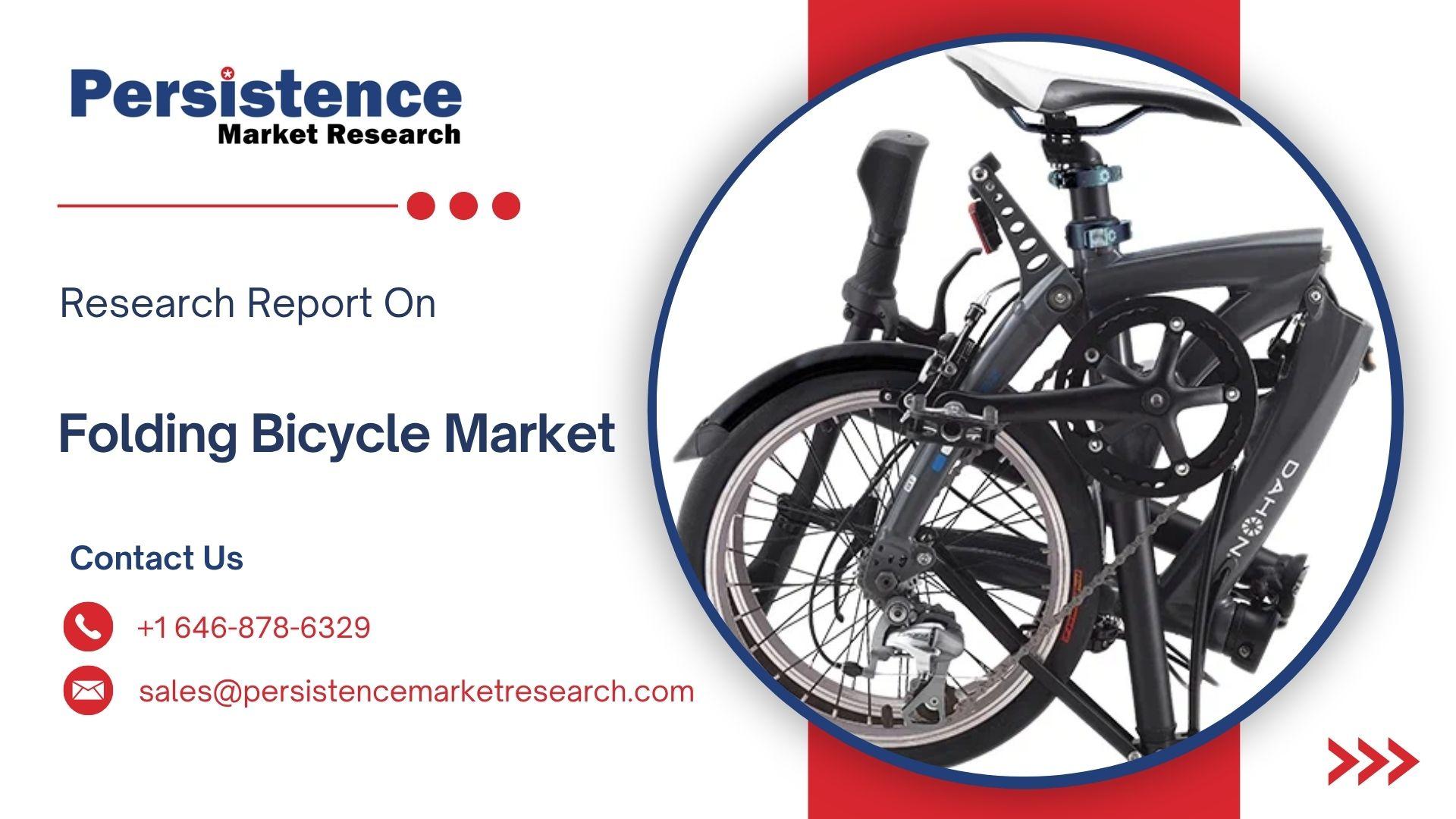
The global folding bicycle market is poised for steady expansion as urban transportation dynamics continue to evolve. According to insights from leading market research firms, the market is projected to grow from an estimated USD 1.1 billion in 2026 to approximately USD 1.9 billion by 2033, registering a compound annual growth rate (CAGR) of 7.8% during the forecast period from 2026 to 2033.
This growth is largely fueled by increasing urbanization, rising traffic congestion, and the growing need for compact and efficient mobility solutions. Folding bicycles are gaining traction as a convenient alternative for short-distance travel, especially in densely populated cities where space constraints and commuting challenges are prominent. Their portability and ease of storage make them highly compatible with multi-modal transport systems, enabling users to seamlessly combine cycling with public transportation such as buses, metros, and trains.
In addition, heightened environmental awareness and the global push toward sustainable transportation are encouraging consumers to adopt eco-friendly commuting options. Folding bicycles offer a zero-emission alternative while also promoting health and fitness. Technological advancements, including lightweight materials and improved folding mechanisms, are further enhancing product appeal and usability, contributing to sustained market growth.
Key Highlights from the Report
➤ The folding bicycle market is expected to grow from USD 1.1 billion in 2026 to USD 1.9 billion by 2033, at a CAGR of 7.8%.
➤ Increasing urban congestion and demand for last-mile connectivity solutions are key growth drivers.
➤ Rising adoption of eco-friendly and sustainable transportation options is boosting market demand.
➤ Technological advancements in lightweight materials and folding mechanisms are enhancing product efficiency.
➤ Integration with public transport systems is accelerating adoption in urban areas.
➤ Growing popularity of electric folding bicycles is creating new growth opportunities.
Segmentation Analysis
By Type
The folding bicycle market is segmented into conventional folding bicycles and electric folding bicycles. Conventional folding bicycles currently dominate the market due to their affordability, simplicity, and widespread availability. These models appeal to cost-conscious consumers and those seeking a low-maintenance transportation option for short commutes.
However, electric folding bicycles are emerging as the fastest-growing segment. Equipped with battery-powered assistance, these bicycles provide enhanced convenience, especially for longer distances and hilly terrains. The increasing availability of compact and efficient battery technologies is making electric variants more accessible, thereby driving their adoption among urban commuters and recreational users alike.
By Vehicle/Product/Service Type
Based on product type, the market is categorized into commuter folding bicycles, sports and performance folding bicycles, and leisure folding bicycles. Commuter folding bicycles account for the largest share, as they are specifically designed for daily urban travel. Features such as lightweight frames, quick folding mechanisms, and compact storage capabilities make them ideal for city commuters.
Sports and performance folding bicycles are gaining popularity among enthusiasts who seek portability without compromising on performance. These models often incorporate advanced materials and aerodynamic designs. Leisure folding bicycles, on the other hand, cater to casual riders and tourists, offering comfort and ease of use. The growing interest in outdoor recreational activities is contributing to the steady demand for this segment.
By Propulsion/Technology/Channel
From a technology perspective, the market is segmented into manual and electric propulsion systems. While manual bicycles continue to dominate due to their affordability and simplicity, electric propulsion systems are witnessing rapid growth driven by increasing consumer preference for convenience and efficiency.
Distribution channels include online and offline retail. Offline channels, such as specialty bicycle stores and sporting goods outlets, currently hold a significant share due to the importance of product testing and personalized assistance. However, online channels are expanding rapidly, supported by the growth of e-commerce platforms and the availability of a wide range of products with competitive pricing.
Regional Insights
Regionally, Europe holds a dominant position in the folding bicycle market, driven by strong cycling culture, supportive infrastructure, and government initiatives promoting sustainable transportation. Cities across countries such as the United Kingdom, Germany, and the Netherlands have well-developed cycling networks, encouraging the adoption of folding bicycles for daily commuting.
Asia-Pacific represents a significant and rapidly growing market, supported by high population density, increasing urbanization, and rising disposable incomes. Countries such as China, Japan, and India are witnessing growing demand for compact mobility solutions due to traffic congestion and limited parking spaces.
North America is also experiencing steady growth, with increasing awareness of environmental sustainability and a rising interest in alternative transportation methods. Urban centers in the United States and Canada are investing in cycling infrastructure, further supporting market expansion.
The fastest-growing region is expected to be Asia-Pacific, owing to rapid urban development, expanding public transport networks, and increasing adoption of micro-mobility solutions. Government initiatives aimed at reducing carbon emissions and promoting green transportation are further accelerating market growth in this region.
Key Players and Competitive Landscape
The folding bicycle market is highly competitive, with several established and emerging players focusing on innovation, product differentiation, and strategic partnerships. Key companies operating in the market include:
✦ Brompton Bicycle Ltd. – Renowned for its premium folding bicycles, the company focuses on innovative designs and customization options to cater to urban commuters.
✦ Dahon North America, Inc. – A pioneer in folding bicycle technology, Dahon emphasizes lightweight designs and advanced engineering to maintain its market leadership.
✦ Tern Bicycles – Known for its robust and versatile models, Tern focuses on sustainability and urban mobility solutions, including electric folding bicycles.
✦ Giant Manufacturing Co., Ltd. – A global leader in the bicycle industry, Giant leverages its extensive distribution network and technological expertise to expand its folding bicycle portfolio.
✦ Montague Corporation – Specializes in high-performance folding bicycles, targeting both commuters and outdoor enthusiasts with durable and innovative products.
✦ Bike Friday – Offers custom-built folding bicycles with a focus on performance and portability, catering to niche markets and long-distance cyclists.
These companies are активно investing in research and development to introduce new products with enhanced features. Strategic collaborations, mergers, and expansions into emerging markets are key strategies adopted to strengthen their market presence.
Future Opportunities and Growth Prospects
The folding bicycle market presents significant growth opportunities, driven by the ongoing evolution of urban mobility and increasing focus on sustainability. The rising adoption of electric folding bicycles is expected to open new avenues for market expansion, particularly in regions with challenging terrains and longer commuting distances.
Technological advancements will continue to play a pivotal role in shaping the market. Innovations in battery technology, lightweight materials, and smart connectivity are expected to enhance product performance and user experience. Integration with smart city initiatives and micro-mobility ecosystems will further strengthen the role of folding bicycles in urban transportation.
Regulatory frameworks aimed at promoting green mobility and reducing traffic congestion will continue to support market growth. Governments and urban planners are increasingly investing in cycling infrastructure, creating a favorable environment for the adoption of folding bicycles.
In conclusion, the folding bicycle market is set for sustained growth, driven by urbanization, environmental awareness, and technological innovation. As cities continue to evolve and prioritize sustainable mobility solutions, folding bicycles are expected to play a crucial role in shaping the future of urban transportation.

 English
 Arabic
 French
 Spanish
 Portuguese
 Deutsch
 Turkish
 Dutch
Dutch
 Russian
 Romaian
 Portuguese (Brazil)
 Greek
Greek