
Choosing Hardwood Floors for a Lasting Interior
Begin With the Room's Purpose
Choosing a new floor involves more than selecting a color or wood species. Each room has different traffic levels, furniture arrangements, moisture exposure, and maintenance needs. Bedrooms may prioritize warmth and appearance, while hallways and living areas need surfaces capable of handling regular activity. Considering how each space will be used helps narrow down practical flooring choices.
Compare Solid and Engineered Options
Homeowners generally have several hardwood construction options to consider. Solid wood consists of a single piece of timber, while engineered hardwood uses multiple layers designed to provide dimensional stability. Both can create an attractive natural appearance when properly installed. The better option depends on the property, subfloor, room conditions, desired style, and long-term expectations.
Prepare the Subfloor
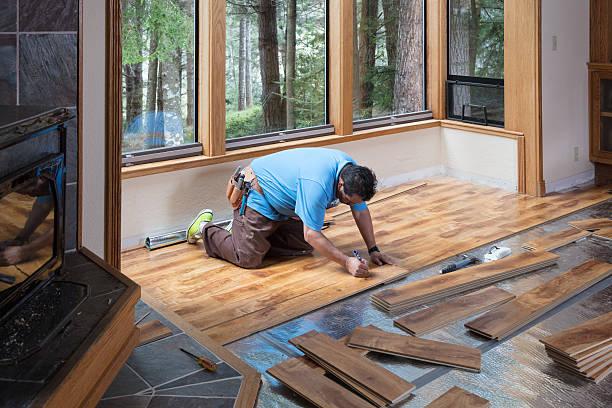
A beautiful hardwood surface cannot compensate for an unsuitable foundation. Before installation begins, the subfloor should be examined for uneven sections, damage, moisture concerns, or other conditions that could affect the finished floor. Hardwood Flooring Installation in Dallas should include appropriate preparation so the boards have a stable and suitable surface beneath them.
Consider Dallas Climate Conditions
Temperature and humidity can influence wood flooring because natural wood responds to changes in its surrounding environment. Proper acclimation and moisture evaluation are important parts of preparing hardwood materials. Dallas homeowners should discuss indoor conditions with their flooring professional before installation so the selected product and installation method are appropriate for the property's environment.
Select a Suitable Wood Species
Oak, maple, hickory, walnut, and other wood species offer different colors, grain patterns, hardness characteristics, and visual styles. Some homeowners prefer traditional tones, while others want wider boards or more distinctive grain patterns. Choosing a species should involve both appearance and practical considerations, including household activity, pets, furniture, and expected daily wear.
Think About Plank Dimensions
Board width can significantly influence the appearance of a room. Narrower planks can provide a more traditional look, while wider boards may create a spacious and contemporary impression. The dimensions should complement the room's size and architectural style. Homeowners should also consider transitions between rooms if new flooring will meet existing surfaces.
Plan the Layout Carefully
Professional installers typically consider the room's shape, natural light, architectural features, doorways, and transitions before determining the layout. Board direction can influence how spacious or visually balanced a room feels. Careful planning also helps reduce awkward cuts and creates a more cohesive appearance across connected areas of the home.
Choose the Right Installation Method
Hardwood flooring can be installed using different techniques depending on the product and subfloor. Nail-down, glue-down, and floating methods may each be suitable in different circumstances. The manufacturer's specifications and property conditions should guide the decision. An experienced installer can explain why one approach is better suited to the selected flooring and existing foundation.
Coordinate With Other Renovations
Floor installation often takes place alongside painting, cabinetry, remodeling, or other interior improvements. Scheduling the work in the correct sequence can reduce the possibility of damaging a newly installed floor. Homeowners should discuss their complete renovation timeline with contractors so flooring installation occurs at an appropriate stage of the project.
Protect Existing Features
During installation, walls, cabinets, doors, furniture, and other finished surfaces may need protection. Existing flooring may also require careful removal if it is being replaced. A professional crew can establish a work area, manage debris, and take reasonable precautions around finished portions of the home. Proper preparation helps keep the renovation organized from beginning to completion.
Think About Finishing Options
Hardwood flooring can be purchased prefinished or finished after installation, depending on the chosen product. On-site finishing may provide greater flexibility when homeowners want a particular stain or need to match existing wood. Prefinished materials can offer a different installation experience. The decision should be based on the desired appearance, schedule, flooring type, and project requirements.
Understand Maintenance Requirements
Hardwood flooring is relatively straightforward to maintain when appropriate cleaning habits are followed. Dust and loose debris should be removed regularly, while spills should be addressed promptly. Cleaning products should be compatible with the specific finish. Excessive moisture should be avoided, and furniture should be handled carefully to minimize scratches and unnecessary wear.
Protect High-Traffic Areas
Entryways and frequently used paths naturally experience more wear. Mats can help reduce the amount of dirt and grit brought onto the floor, while furniture pads can reduce scratching beneath chairs and tables. Rearranging certain furnishings periodically may also help distribute wear more evenly across the surface.
Work With Experienced Professionals
Flooring Services can include more than basic installation. Depending on the provider, homeowners may also receive assistance with material selection, subfloor preparation, repairs, refinishing, custom finishing, and maintenance. When comparing contractors, it is useful to review their experience, workmanship, communication, project scope, and familiarity with the type of hardwood being considered.
Request a Detailed Estimate
Before approving a project, homeowners should understand what the estimate includes. Material costs, removal of existing flooring, subfloor preparation, installation labor, finishing, transitions, trim work, cleanup, and other requirements can affect the final price. A written proposal with clearly defined responsibilities makes it easier to compare contractors and avoid misunderstandings later.
Plan for Long-Term Care
New hardwood floors are an investment that can remain attractive for many years when properly maintained. Regular cleaning, moisture control, protective pads, and prompt attention to damage can help preserve the finish. Depending on the flooring type, refinishing may eventually provide another opportunity to restore its appearance without replacing the entire floor.
Create a More Inviting Interior
Hardwood can add warmth, character, and visual continuity to a Dallas home. The best results come from combining suitable materials with proper preparation, thoughtful layout planning, skilled installation, and consistent maintenance. By considering both design preferences and practical requirements before work begins, homeowners can create a durable floor that complements their interior and supports everyday living.

 English
 French
 Spanish
 Portuguese
 Deutsch
 Turkish
 Dutch
Dutch
 Italiano
 Russian
 Romaian
 Portuguese (Brazil)
 Greek
Greek
