
Effective Ways to Remove Pet Odors From Carpets
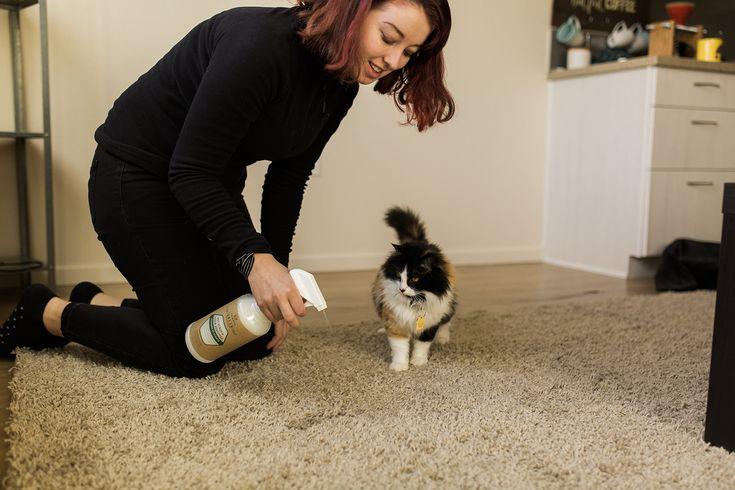
Find the Source of the Odor
Pet odors can be difficult to eliminate because the smell may remain after the visible mess has disappeared. Urine, dander, fur, and other organic residue can penetrate carpet fibers and reach the backing or padding underneath. Identifying where the odor originates is an important first step because treating only the surface may provide temporary improvement rather than a lasting solution.
Understand Why Odors Linger
Carpet fibers can absorb moisture and organic material, particularly when accidents are not discovered immediately. As residue dries, odor-producing compounds can remain below the surface. Changes in humidity may also make old smells more noticeable. Professional pet odor removal Chicago IL can involve specialized inspection and treatment methods designed to address odors at deeper levels instead of simply masking them with fragrance.
Inspect Carpeting Carefully
A strong odor does not always reveal its exact location. Pets may return to the same area repeatedly, creating several affected spots that are difficult to identify visually. Professionals can inspect carpeting and surrounding areas to determine where contamination may exist. Identifying all affected locations helps create a more complete treatment plan and reduces the possibility of leaving untreated odor sources behind.
Consider the Carpet Padding
When pet urine reaches the carpet padding, surface cleaning alone may not be enough. Padding can absorb moisture and retain odor beneath the visible carpet. Depending on the severity of the contamination, professional cleaners may recommend specialized extraction, treatment, or replacement of affected padding. The appropriate solution depends on how deeply the substance has traveled and how extensive the damage is.
Use Suitable Cleaning Methods
Different carpets respond differently to cleaning products and equipment. Fiber type, dye stability, age, backing material, and previous treatments should be considered before applying chemicals or moisture. Using an unsuitable product can cause discoloration or leave residue that attracts additional dirt. Professional technicians can select cleaning methods according to the material and condition of the carpet.
Avoid Simply Masking the Smell
Air fresheners and heavily scented products may temporarily cover pet odors without removing the underlying source. Once the fragrance fades, the original smell can return. Effective odor treatment should focus on removing or neutralizing odor-producing residue. A professional approach can therefore provide a more meaningful improvement than repeatedly applying products designed only to make the room smell different.
Treat Visible Stains Separately
A stain and an odor are related but do not always require exactly the same treatment. Some visible marks may respond to spot cleaning, while deeper contamination may require extraction or specialized odor treatment. Local Carpet Cleaners can evaluate the carpet and determine whether a particular area needs stain removal, deep cleaning, odor treatment, or a combination of services.
Clean More Than the Carpet
Pet odors can sometimes transfer to rugs, upholstery, curtains, baseboards, furniture, and other nearby materials. If only the carpet is treated while another contaminated surface remains untreated, the odor may continue returning. A thorough assessment should consider the surrounding environment so that the actual source is not overlooked.
Protect Your Carpet During Treatment
Professional cleaning involves equipment, cleaning solutions, and moisture that should be handled carefully. Furniture may need to be moved or protected, while treated areas may require adequate drying time. Homeowners should follow instructions regarding ventilation, foot traffic, and pets returning to the room. Keeping animals away until treated surfaces are appropriately dry can help protect the cleaning results.
Consider Chicago's Seasonal Conditions
Chicago experiences significant seasonal changes, and indoor humidity can vary throughout the year. Moisture levels can influence how certain odors behave, particularly when organic residue remains inside carpet or padding. Maintaining reasonable indoor humidity and addressing spills promptly can support long-term odor control. Regular carpet maintenance can also reduce the accumulation of dander and other particles.
Ask About Deep Extraction
Hot water extraction and other professional cleaning techniques can remove substantial amounts of soil and residue from carpet when performed correctly. However, the best method depends on the carpet and the type of contamination. Homeowners should ask the cleaning provider how the proposed treatment will address both surface dirt and odor-producing material rather than choosing a service based only on price.
Maintain the Carpet Afterwards
Regular vacuuming can help remove fur, dander, and loose debris before they become embedded in carpet fibers. Pet accidents should be addressed as quickly as possible, using products appropriate for the specific carpet. Professional cleaning at suitable intervals can also help maintain the material and reduce the buildup that contributes to persistent household odors.
Know When Replacement May Be Necessary
Severe or repeated contamination can sometimes affect carpet and padding beyond practical restoration. If odor remains after appropriate professional treatment, the underlying padding or carpet may be too heavily affected. A qualified technician can assess the condition and explain whether additional cleaning is reasonable or whether replacing part of the material would be a more effective long-term solution.
Choose Experienced Professionals
When comparing carpet cleaning providers, homeowners should consider their experience with pet-related contamination, available equipment, treatment methods, insurance, and service guarantees. It is also useful to explain the history of the odor before scheduling treatment. Accurate information can help the technician determine what type of inspection and cleaning approach may be appropriate.
Keep Indoor Spaces Fresher
Persistent pet odors do not have to become a permanent part of a home. Identifying the source, treating affected materials properly, maintaining carpet regularly, and responding quickly to new accidents can make a significant difference. With suitable professional care and consistent household maintenance, carpets can remain cleaner, more comfortable, and fresher even in homes with active pets.

 English
 Arabic
 French
 Spanish
 Portuguese
 Deutsch
 Turkish
 Dutch
Dutch
 Italiano
 Romaian
 Portuguese (Brazil)
 Greek
Greek
