
Dental Braces: What Happens During Treatment
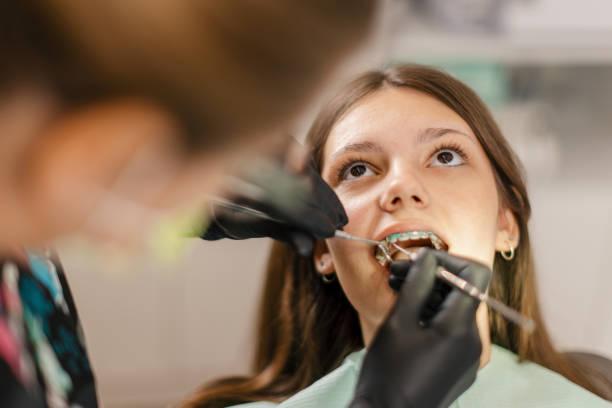
For people considering Dental Braces in Dubai, knowing what happens during orthodontic care can make the process easier to understand. Braces gradually apply controlled pressure to guide teeth toward improved positions and can help address crowding, spacing, uneven alignment, and certain bite concerns.
The process is planned according to each patient's individual dental needs.
What Happens During the First Visit?
The first appointment usually involves an assessment of the teeth, gums, and bite. The orthodontic professional may use photographs, digital scans, or X-rays to understand tooth positions and supporting structures.
Based on the findings, the recommended orthodontic approach and expected timeline can be discussed.
Choosing the Right Dental Clinic
Choosing an experienced Dental Clinic is important before beginning orthodontic care. A professional assessment helps identify existing dental concerns and determine which type of braces may be appropriate.
The dentist or orthodontist can also explain expected appointments, oral hygiene requirements, and daily care.
How Are Braces Fitted?
When braces are selected, brackets are carefully positioned on the teeth and connected with an orthodontic wire. The appliance is designed to apply controlled forces that gradually guide the teeth.
The fitting process is performed according to the selected orthodontic system and individual treatment plan.
What Happens After Braces Are Placed?
It is common to experience some pressure or mild tenderness after braces are fitted. This happens as the teeth begin responding to the orthodontic forces.
Patients usually become more accustomed to the appliance as they continue with their daily routine.
Why Are Adjustment Appointments Necessary?
Braces require regular professional monitoring because tooth movement occurs gradually. During adjustment visits, the orthodontic professional can assess progress and make changes to the appliance when necessary.
These appointments help keep the orthodontic process aligned with the treatment plan.
How Do Teeth Move?
Braces create controlled forces that encourage gradual movement of the teeth. The tissues surrounding each tooth adapt as the tooth changes position.
Because this is a biological process, orthodontic movement takes time and cannot safely be completed instantly.
How Long Does Treatment Take?
The duration varies according to the complexity of the orthodontic concern. Crowding, spacing, bite problems, tooth movement, oral health, and individual response can all influence the overall timeline.
Your orthodontic professional can provide a personalized estimate after assessing your teeth.
How Should You Clean Braces?
Good oral hygiene is essential throughout orthodontic care. Brackets and wires can create areas where plaque and food particles collect more easily.
Brushing carefully around each bracket and cleaning between the teeth can help maintain healthy gums and reduce the risk of cavities.
What Foods Should You Avoid?
Hard, sticky, and very chewy foods can damage orthodontic brackets or wires. Patients may need to adjust how they eat certain foods while wearing braces.
Following dietary recommendations can help keep the appliance intact and reduce unnecessary orthodontic visits.
Can Braces Affect Your Speech?
Some patients may notice a short adjustment period after an orthodontic appliance is placed. As the mouth becomes accustomed to the brackets and wires, speaking normally generally becomes easier.
Any persistent difficulty should be discussed with your dental professional.
Can Adults Have Braces?
Yes. Adults can receive orthodontic care when their teeth, gums, and supporting structures are suitable. Orthodontic treatment can address alignment and bite concerns at different stages of life.
The recommended approach depends on dental condition rather than age alone.
What Happens When Treatment Is Complete?
Once the teeth reach their planned positions, the braces are removed. The teeth are then usually supported with retainers to help maintain their new alignment.
Following retainer instructions is an important part of protecting the orthodontic result.
Why Is Aftercare Important?
Teeth can naturally shift after orthodontic appliances are removed. Retainers help maintain the position achieved during orthodontic care.
Regular dental checkups and good oral hygiene should also continue after braces are removed.
Final Thoughts
Dental Braces treatment involves several stages, from the initial dental assessment and fitting to regular adjustments and long-term retention. Understanding each stage can help patients feel more prepared and confident throughout the orthodontic process.
Maintaining good oral hygiene, following dietary guidance, attending scheduled appointments, and using retainers as recommended can support healthy teeth and lasting alignment.

 English
 Arabic
 French
 Spanish
 Portuguese
 Deutsch
 Turkish
 Italiano
 Russian
 Romaian
 Portuguese (Brazil)
 Greek
Greek
