
Teeth Whitening: Common Causes of Tooth Stains
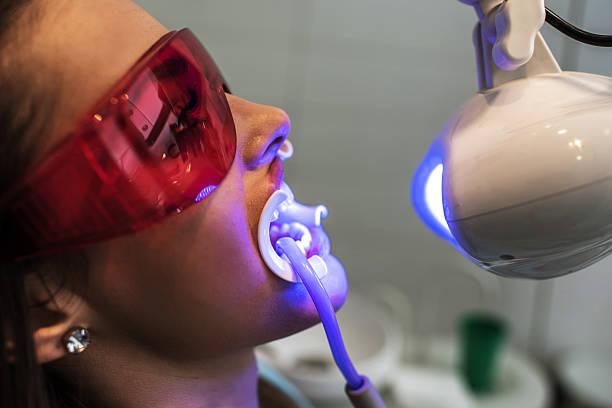
For people considering Teeth Whitening in Dubai, understanding what causes tooth stains can help them choose the right way to improve their smile. Tooth discoloration can develop gradually due to everyday foods, drinks, lifestyle habits, aging, and changes within the tooth itself.
Identifying the cause is important because different types of stains can respond differently to whitening.
Can Coffee and Tea Stain Teeth?
Coffee and tea are common sources of tooth staining. They contain pigments that can gradually accumulate on the tooth surface, especially when consumed frequently.
Regular brushing and professional dental cleaning can help control surface buildup, while appropriate whitening may improve certain types of discoloration.
Does Tobacco Cause Tooth Discoloration?
Tobacco use can contribute to noticeable tooth staining. Nicotine and other substances associated with tobacco can leave discoloration on the teeth and may make a brighter smile more difficult to maintain.
Reducing or avoiding tobacco exposure can help protect the appearance of your teeth.
Choosing the Right Dental Clinic
Visiting an experienced Dental Clinic can help identify the cause of tooth discoloration before whitening begins. A dentist can examine your teeth and gums and determine whether the stains are mainly on the surface or related to deeper changes.
This assessment helps establish whether whitening or another cosmetic option may be more appropriate.
Can Food Cause Tooth Stains?
Certain foods contain strong natural or artificial pigments that can contribute to staining. Dark sauces, berries, colored spices, and other highly pigmented foods may gradually affect tooth color.
Good oral hygiene and rinsing with water after meals can help reduce the accumulation of staining substances.
Does Aging Change Tooth Color?
Yes. Teeth can naturally become darker or more yellow with age. As enamel gradually changes, the underlying dentin may become more noticeable.
Professional whitening can improve some age-related discoloration, although the amount of improvement depends on individual tooth characteristics.
Can Poor Oral Hygiene Cause Staining?
Inadequate oral hygiene can allow plaque and surface deposits to accumulate on teeth. Over time, these deposits may contribute to a dull or stained appearance.
Brushing twice daily and cleaning between the teeth can help control plaque and support a cleaner-looking smile.
Can Soft Drinks Affect Tooth Color?
Some soft drinks contain coloring agents that may contribute to staining. Frequent consumption can also expose teeth to acidic conditions that may affect enamel.
Drinking water afterward and limiting frequent consumption can help support better oral health.
What Are Extrinsic Stains?
Extrinsic stains develop primarily on the outer surface of the teeth. Common causes include coffee, tea, tobacco, and strongly colored foods.
Professional cleaning can help remove some surface deposits, while whitening may be considered when additional color improvement is desired.
What Are Intrinsic Stains?
Intrinsic discoloration occurs within the tooth structure rather than only on its outer surface. It can result from factors such as certain medications, dental trauma, or natural changes in tooth structure.
Some intrinsic stains may respond less predictably to conventional whitening and may require an alternative cosmetic approach.
Can Dental Plaque Affect Tooth Appearance?
Plaque is a sticky film that develops naturally on teeth. When it is not removed effectively, it can contribute to an unclean or dull appearance.
Daily brushing, interdental cleaning, and professional dental care can help manage plaque buildup.
Can Whitening Remove Every Type of Stain?
No. Whitening works differently depending on the cause and depth of discoloration. Surface stains may respond more readily, while certain internal stains may require other cosmetic solutions.
A professional examination can help determine what type of discoloration is present.
What About Existing Dental Restorations?
Crowns, veneers, fillings, and other restorations do not whiten in the same way as natural teeth. Their existing color may therefore become more noticeable if surrounding natural teeth are whitened.
Your dentist can consider existing restorations when planning cosmetic whitening.
How Can New Stains Be Prevented?
Maintaining good oral hygiene, drinking water regularly, limiting frequent exposure to strongly colored foods and beverages, and avoiding tobacco can help reduce new staining.
Routine dental examinations and professional cleaning can also support a cleaner and brighter-looking smile.
Final Thoughts
Understanding the causes of Tooth Stains can help you choose a suitable approach for improving tooth color. Coffee, tea, tobacco, foods, poor oral hygiene, aging, and internal tooth changes can all contribute to discoloration.
A professional dental assessment can identify the likely cause of staining and determine whether whitening is suitable. Good oral hygiene and healthy daily habits can also help maintain a brighter-looking smile.

 English
 Arabic
 French
 Spanish
 Portuguese
 Turkish
 Dutch
Dutch
 Italiano
 Russian
 Romaian
 Portuguese (Brazil)
 Greek
Greek
