
Dental Implant Infection: Risks and Complications
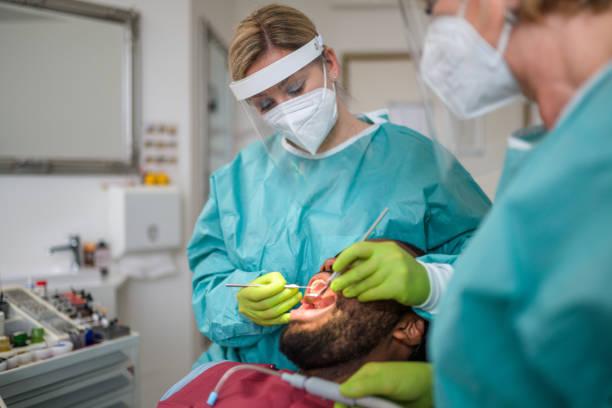
For patients concerned about Dental Implant Infection in Dubai, understanding the possible risks and complications can help them recognize unusual changes around an implant. While dental implants can be a reliable option for replacing missing teeth, problems may develop when inflammation, bacterial buildup, or other oral health concerns affect the surrounding tissues.
What Are the Main Risks?
An infection around an implant can affect the gums and tissues supporting the implant. Common concerns may include persistent inflammation, swelling, bleeding, discomfort, or discharge.
If inflammation continues without appropriate professional attention, it may become more difficult to manage and can potentially affect the supporting bone.
How Can Infection Affect Gum Health?
The gums surrounding an implant can become red, swollen, or tender when inflammation develops. Repeated bleeding during cleaning may also indicate that the surrounding tissues need professional evaluation.
Maintaining good oral hygiene and attending regular dental examinations can help identify changes in gum health at an earlier stage.
Choosing the Right Dental Clinic
Visiting an experienced Dental Clinic can help identify potential complications around an implant. A dentist can examine the implant, restoration, gums, and surrounding teeth to determine whether there are signs of inflammation or infection.
Dental imaging may also be recommended when there is concern about the supporting bone.
Can Infection Cause Bone Loss?
Advanced inflammation around an implant can be associated with loss of supporting bone. This can affect the foundation that helps keep the implant stable.
A dentist may use X-rays or other imaging to evaluate the condition of the surrounding bone and determine whether changes have occurred.
Can an Implant Become Loose?
An implant that feels loose should be professionally assessed. Changes in stability can have different causes and may involve the implant, restoration, or supporting tissues.
Patients should avoid putting unnecessary pressure on a loose implant and arrange a dental examination.
What Is Peri-Implantitis?
Peri-implantitis is an inflammatory condition affecting the tissues around a dental implant and may involve supporting bone loss. It can develop when inflammation around an implant persists.
Early professional evaluation can help determine the extent of the condition and whether additional care is necessary.
Can Pain Be a Complication?
Pain or tenderness can occur after implant placement as the tissues recover. However, persistent, worsening, or newly developing pain should be evaluated.
Pain alone does not confirm an infection, so a dental examination is needed to determine its underlying cause.
Can Swelling Be Serious?
Some swelling can occur following dental procedures, but persistent or increasing swelling around an implant deserves professional attention.
Swelling accompanied by discharge, significant pain, fever, or other concerning symptoms should be assessed promptly by a dental professional.
Does Smoking Increase the Risk?
Smoking can negatively affect gum health and the healing environment around dental implants. It may also make maintaining healthy tissues more challenging.
Patients who smoke should discuss this with their dentist and follow individualized advice for protecting their oral health.
How Does Poor Oral Hygiene Contribute?
Plaque buildup around an implant can contribute to inflammation of the surrounding tissues. Areas around implant restorations can sometimes be difficult to clean thoroughly.
Regular brushing, cleaning between teeth, and following your dentist's recommended cleaning routine can help maintain healthier gums.
Can the Restoration Cause Problems?
The condition and design of an implant restoration can influence how easily the surrounding area can be cleaned. A damaged or poorly maintained restoration may also require professional evaluation.
During routine examinations, the dentist can assess the restoration and determine whether any maintenance is needed.
How Are Complications Evaluated?
A dental professional may examine the gums, check for bleeding or discharge, assess implant stability, and inspect the restoration. Imaging may be used when necessary to evaluate the supporting bone.
The findings help determine whether the issue involves inflammation, infection, bone changes, or another dental concern.
Can Complications Be Prevented?
Good oral hygiene, regular professional examinations, and appropriate implant maintenance can help reduce the risk of complications. Addressing gum problems early is also important.
Following your dentist's instructions for cleaning and caring for the implant can support healthier surrounding tissues.
When Should You Seek Professional Care?
Persistent swelling, bleeding, pain, discharge, unpleasant taste, or implant mobility should be professionally evaluated. These symptoms should not be ignored or treated solely with home remedies.
Prompt assessment can help identify the cause and determine the appropriate care.
Final Thoughts
Understanding the possible complications of Dental Implant Infection can help patients pay closer attention to their oral health. Persistent inflammation, bleeding, swelling, discomfort, discharge, or changes in implant stability may indicate that professional evaluation is needed.
Consistent oral hygiene, regular dental checkups, and prompt attention to unusual symptoms can help support the health of an implant and its surrounding tissues.

 English
 Arabic
 French
 Portuguese
 Deutsch
 Turkish
 Dutch
Dutch
 Italiano
 Russian
 Romaian
 Portuguese (Brazil)
 Greek
Greek
