
Common Tests Included in a Full Blood TestFull Blood Test, blood tests, blood screening, blood analysis, health checkup, laboratory testing, health monitoring
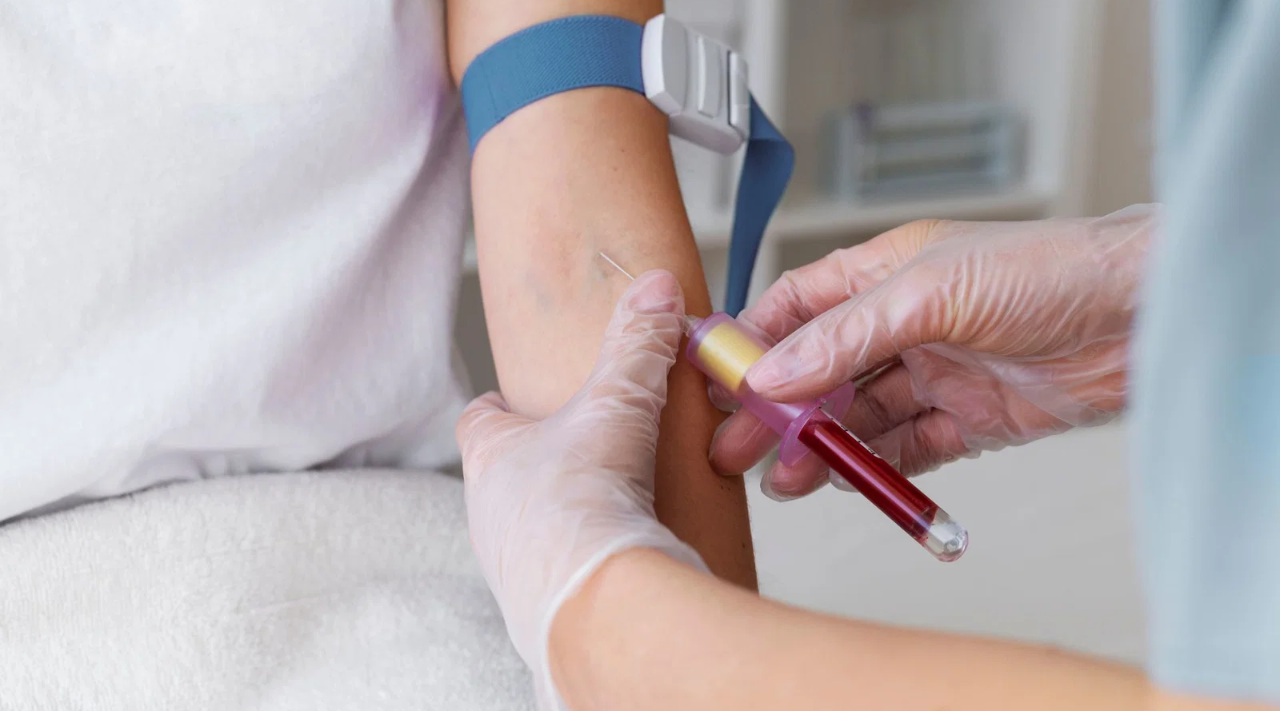
A Full Blood Test usually refers to a combination of laboratory investigations rather than one specific test. The exact tests included can vary according to the person's age, symptoms, medical history, medications, and reason for testing. Common investigations may examine blood cells, glucose, cholesterol, nutritional markers, and indicators related to organs such as the liver and kidneys.
A Blood test in Dubai may therefore look different from one person's testing panel to another. A healthcare professional can recommend the most relevant investigations based on your individual health profile instead of automatically including every available blood test.
Why Are Multiple Blood Tests Used?
Different laboratory investigations provide information about different aspects of the body. Combining appropriate tests can help create a broader picture of health.
Assessing Different Health Markers
One blood test cannot measure everything. For example, a complete blood count focuses on blood cells, while a lipid profile examines cholesterol and triglycerides.
Using several relevant investigations allows healthcare professionals to evaluate different markers together.
Supporting Health Monitoring
When appropriate tests are repeated, previous results can be compared with current measurements. This may help identify trends and determine whether further assessment is necessary.
Repeated testing should be based on professional recommendations rather than automatically repeating every investigation.
Enfiled Dental clinic and Complete Health Awareness
Enfiled Dental clinic can be part of a wider healthcare routine that includes attention to oral and general wellbeing. Dental assessments and blood investigations have different purposes, with laboratory testing providing information about selected internal health markers.
When arranging blood testing, the most important consideration is choosing investigations that are relevant to your health needs.
Complete Blood Count
A complete blood count, commonly called a CBC, is one of the most frequently used blood investigations.
Red Blood Cells
Red blood cells carry oxygen from the lungs to tissues throughout the body. A CBC includes measurements that help assess their number and characteristics.
Healthcare professionals may consider these results when evaluating symptoms or determining whether additional investigation is needed.
White Blood Cells
White blood cells are involved in immune function. Their number and characteristics can provide useful information when a healthcare professional is investigating certain symptoms or health concerns.
Platelets
Platelets contribute to normal blood clotting. A CBC can measure platelet levels and provide information that may be relevant when investigating certain bleeding or clotting concerns.
Blood Glucose Testing
Glucose testing measures the amount of sugar in the bloodstream. It may be recommended during routine screening or when a healthcare professional wants to assess blood sugar regulation.
Depending on the circumstances, testing may include fasting glucose, random glucose, or HbA1c.
HbA1c provides information about average blood glucose over a longer period and can be useful for appropriate long-term monitoring.
Lipid Profile
A lipid profile can provide information about cholesterol and triglycerides. Common measurements include total cholesterol, HDL cholesterol, LDL cholesterol, and triglycerides.
These values can contribute to an assessment of cardiovascular risk. However, cholesterol should always be considered alongside other factors such as blood pressure, age, lifestyle, and family history.
Liver-Related Blood Tests
Certain laboratory investigations can measure substances associated with liver function.
Healthcare professionals may request these tests when symptoms, medication use, medical history, or other findings suggest that liver assessment could be useful.
An unusual liver-related result does not automatically establish a diagnosis. Further evaluation may be necessary to understand the reason for the finding.
Kidney-Related Blood Tests
Blood testing can also provide information about markers associated with kidney function.
These investigations may be considered when a healthcare professional is monitoring an existing concern, evaluating symptoms, or assessing the potential effects of certain medications.
Results should be interpreted alongside other relevant health information.
Thyroid Testing
Thyroid-related blood tests may be recommended when symptoms or medical history suggest that thyroid function should be evaluated.
The specific investigations selected depend on the clinical situation. A healthcare professional may decide whether additional thyroid-related testing is appropriate after reviewing the initial findings.
Iron and Vitamin Testing
Nutritional investigations may be considered when symptoms or risk factors suggest a possible deficiency.
Depending on individual circumstances, a healthcare professional may recommend iron-related measurements or tests for nutrients such as vitamin B12 or vitamin D.
These tests are not automatically required for every person undergoing routine blood screening.
Are All Tests Necessary?
No. A comprehensive approach does not mean that every available investigation should be performed.
Unnecessary testing can sometimes produce unexpected findings that lead to additional investigations without providing useful information.
A healthcare professional can select tests according to your reason for testing, symptoms, health history, and risk factors.
How Should You Prepare?
Preparation depends on the specific investigations included. Some blood tests require fasting, while others do not.
If fasting is necessary, follow the instructions provided by your healthcare professional or laboratory. Ask whether water is permitted and how long you need to avoid food.
Tell your healthcare professional about medicines, vitamins, and supplements. Do not stop prescribed medication unless specifically instructed.
What Happens During Blood Collection?
A trained healthcare professional usually collects blood from a vein in your arm. The skin is cleaned before a sterile needle is inserted.
The sample may be placed into several tubes depending on how many investigations have been requested.
The procedure usually takes only a few minutes. A brief pinch is common, and minor bruising or tenderness may occur afterward.
How Are Results Reported?
Laboratory reports normally include measured values and reference ranges.
Reference ranges can differ between laboratories and testing methods. An individual result should therefore be interpreted using the information provided on your report.
A result outside the reference range does not automatically mean that you have a disease. Recent illness, hydration, diet, medications, supplements, and other factors can influence certain measurements.
What Happens If a Result Is Abnormal?
Your healthcare professional may review the result alongside your symptoms and medical history. Depending on the circumstances, they may recommend repeat testing or additional investigations.
Avoid making conclusions based on one unusual number. Professional interpretation helps determine whether a result is clinically meaningful.
Can a Blood Test Replace a Medical Checkup?
No. Blood testing provides valuable laboratory information, but it cannot replace a complete medical assessment.
Some health conditions require physical examination, imaging, specialist consultation, or other diagnostic procedures.
If you have persistent symptoms, seek appropriate professional evaluation even if previous blood results were normal.
Final Thoughts
The investigations included in a Full Blood Test can vary depending on individual health requirements. Common tests may include a complete blood count, glucose testing, lipid profile, and selected liver, kidney, thyroid, iron, or vitamin investigations. Not everyone needs every available test, which is why professional guidance is important. When relevant tests are selected and results are interpreted correctly, blood screening can provide useful information for routine health monitoring and informed healthcare decisions.

 English
 Arabic
 French
 Spanish
 Portuguese
 Deutsch
 Turkish
 Dutch
Dutch
 Italiano
 Russian
 Romaian
 Portuguese (Brazil)
