Many patients feel nervous when they hear the words root canal because they have heard stories about severe pain or complicated dental procedures. In reality, modern Root Canal Treatment in Dubai uses advanced techniques and local anesthesia to make treatment more comfortable while addressing infection inside the tooth.
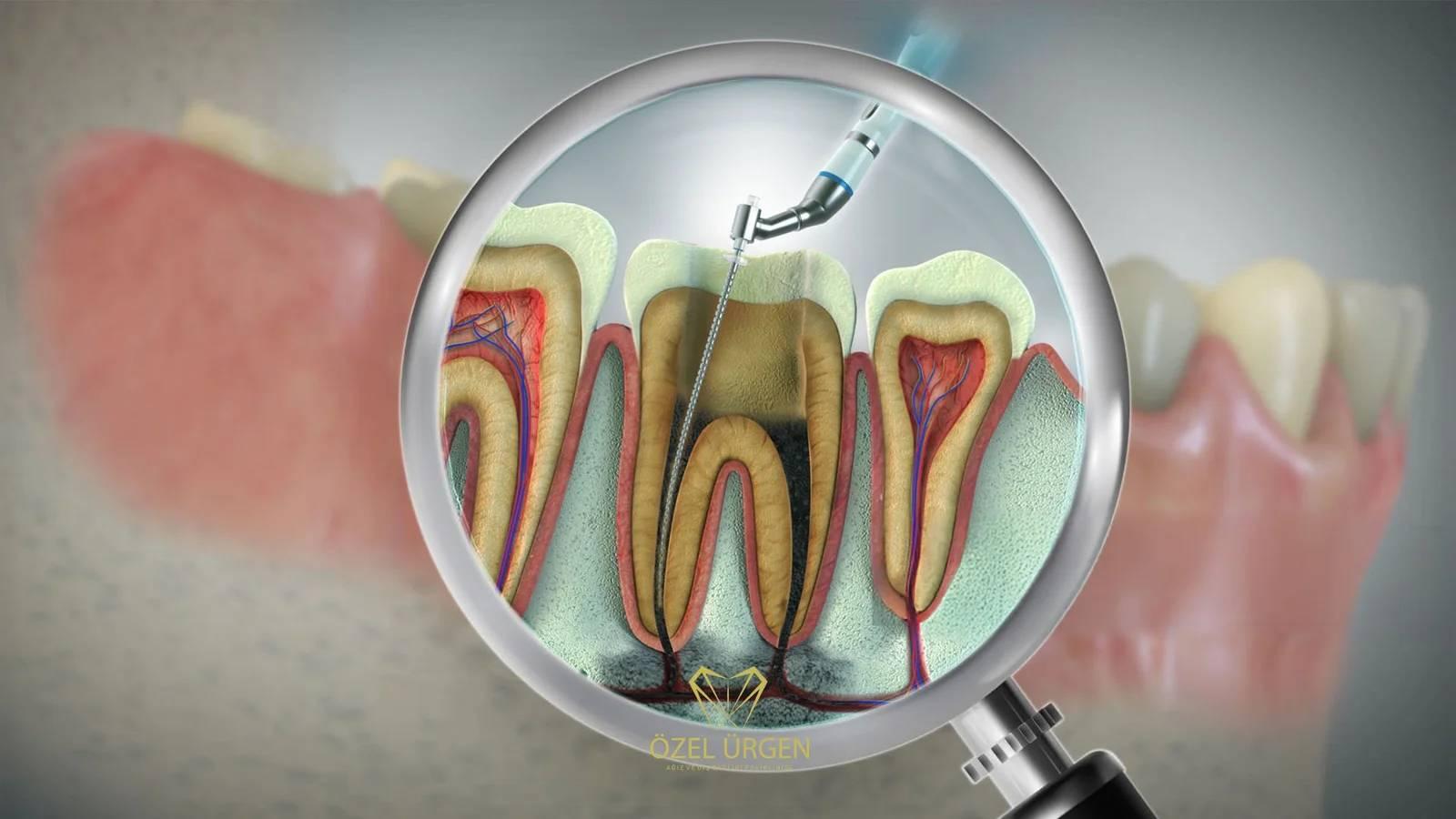
Root canal therapy is performed to remove infected or damaged pulp, clean the internal canals, and seal the tooth. When the tooth can be successfully restored, this approach can help preserve the natural tooth instead of removing it.
Separating common myths from facts can help patients make more informed decisions about their dental care.
Myth: Root Canal Treatment Is Extremely Painful
One of the most common misconceptions is that root canal therapy is always extremely painful. Modern dental care has changed considerably, and local anesthesia is generally used to numb the affected area during the procedure.
Patients may experience pressure, vibration, or movement while the dentist works, but significant sharp pain should not normally occur when the area is adequately anesthetized.
Some tenderness may occur after treatment as the surrounding tissues recover, but this is usually temporary.
Myth: Extraction Is Always Better Than a Root Canal
Some people believe that removing an infected tooth is simpler and better than treating it. However, when a natural tooth can be successfully restored, preserving it may provide important functional benefits.
Root Canal Treatment removes the infected pulp while keeping the remaining tooth structure. Once restored, the tooth can continue to support normal chewing.
Extraction removes the entire tooth and may eventually require replacement with a dental implant, bridge, or another restoration. The best option depends on the condition of the tooth.
Enfiled Dental clinic and Modern Dental Care
At Enfiled Dental clinic, patients can have their dental symptoms professionally assessed before treatment. A dentist may use clinical examination and dental imaging to determine whether the pulp is infected or severely damaged.
The treatment plan is based on the individual tooth rather than assumptions about root canal therapy. Patients can discuss concerns about pain, treatment time, restoration, and recovery before beginning the procedure.
Professional evaluation can help replace uncertainty with a clear understanding of the recommended care.
Myth: Root Canal Therapy Takes Many Appointments
Another common belief is that every root canal requires several long appointments. In reality, treatment time varies according to the tooth and complexity of the infection.
Some straightforward cases may be completed in one appointment. Teeth with multiple canals, complicated anatomy, or significant infection may require additional visits.
The dentist determines the treatment schedule after examining the tooth and assessing its condition.
Myth: A Root Canal-Treated Tooth No Longer Needs Care
Root canal therapy treats infection inside the tooth, but the restored tooth still needs regular care. The tooth can develop decay around the restoration if oral hygiene is neglected.
Brushing twice daily, cleaning between the teeth, and attending regular dental examinations remain important after treatment.
A dental crown or filling may also be required to protect the tooth. Completing the recommended restoration can help reduce the risk of fractures.
Fact: Deep Decay Can Cause Pulp Infection
Deep tooth decay is a major reason patients may require root canal therapy. When bacteria move through the enamel and dentin and reach the pulp, inflammation or infection can occur.
At this stage, a simple filling may not be sufficient. Root canal therapy can remove the infected tissue and help preserve the remaining tooth structure.
Regular dental examinations can help identify cavities earlier, before they progress toward the pulp.
Fact: Dental Trauma Can Damage the Pulp
A tooth can require root canal therapy even when there is little visible damage. A sports injury, accident, or direct impact can affect the pulp inside the tooth.
Symptoms may appear immediately or develop gradually. A traumatized tooth can become painful, sensitive, or discolored.
Professional evaluation after significant dental trauma can help determine whether the pulp remains healthy.
Myth: No Pain Means No Infection
An infected tooth does not always cause severe pain. In some cases, symptoms may be mild or disappear temporarily as the pulp becomes severely damaged.
The absence of pain does not necessarily mean that an infection has resolved. An untreated infection can continue to affect the tissues around the root.
Regular dental checkups and professional evaluation of unusual symptoms can help detect problems that may otherwise go unnoticed.
Fact: A Dental Crown May Protect the Treated Tooth
After Root Canal Treatment, the tooth may have reduced structural strength, particularly if significant decay or damage was already present.
A dental crown can cover the remaining tooth structure and provide additional protection. Crowns are particularly common for molars and premolars because these teeth experience strong chewing forces.
The need for a crown depends on the location and condition of the tooth.
Myth: Root Canal Therapy Only Treats Pain
Although relieving dental pain is an important benefit, the main purpose of root canal therapy is to treat infection or severe inflammation within the pulp.
During treatment, the infected tissue is removed, the canals are cleaned and disinfected, and the tooth is sealed. This addresses the underlying internal problem rather than simply masking the symptoms.
Fact: Early Treatment Can Protect the Tooth
Delaying treatment can allow infection to spread beyond the tooth. In advanced cases, an abscess may develop and affect surrounding tissues.
Seeking professional dental care when persistent pain, swelling, sensitivity, or chewing discomfort appears can help identify the problem earlier.
When appropriate, timely root canal therapy can increase the possibility of preserving the natural tooth.
Recovery Is Usually Manageable
After treatment, some tenderness may occur around the affected tooth. Patients should follow their dentist's instructions and avoid unnecessary pressure on the tooth until the permanent restoration is completed.
Maintaining oral hygiene and attending follow-up appointments are also important for protecting the treated tooth.
If severe pain, increasing swelling, or unusual symptoms develop, professional dental evaluation should be sought.
Conclusion
Many concerns surrounding Root Canal Treatment in Dubai are based on outdated assumptions. Modern techniques, local anesthesia, improved diagnostic tools, and appropriate restorative care have made root canal therapy a practical way to manage infected or damaged teeth.
Understanding the facts can help patients approach treatment with greater confidence. When a natural tooth can be successfully preserved, root canal therapy can help restore its function while addressing the underlying infection.


 English
 Arabic
 French
 Spanish
 Portuguese
 Deutsch
 Dutch
Dutch
 Italiano
 Russian
 Romaian
 Portuguese (Brazil)
 Greek
Greek
