
Thread Lift in London: Which Areas of the Face Can Be Treated?
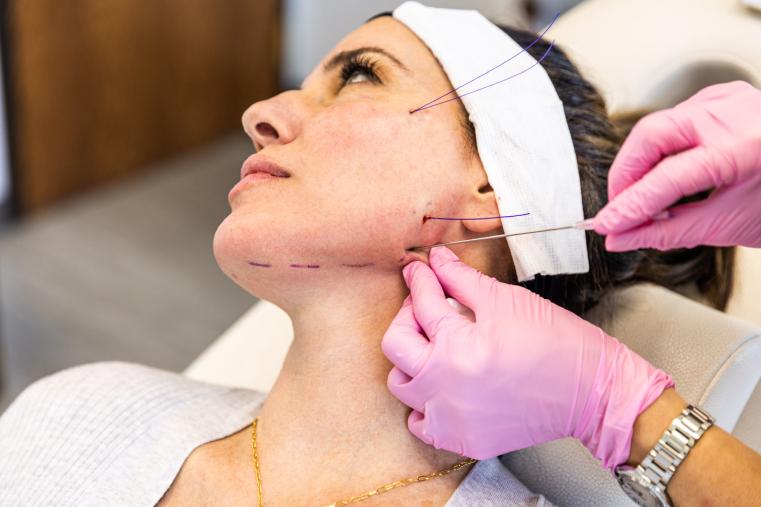
Facial ageing can gradually change the position, firmness and definition of the skin and underlying tissues. For people who want to explore a minimally invasive approach to facial rejuvenation, a thread lift can be an option worth discussing with an experienced aesthetic practitioner.
Thread Lift in London is a minimally invasive treatment that uses specially designed threads placed beneath the skin to provide support and create a subtle lifting effect in selected areas. Depending on the individual's facial structure and treatment goals, different regions of the face may be considered.
Understanding which areas can be treated is an important part of deciding whether a thread lift is appropriate. The treatment is not intended to follow one standard pattern for every patient. Instead, an assessment helps determine where threads may be placed and how the treatment can be tailored to the individual's facial features.
This guide explores the facial areas commonly considered for thread lift treatment, how treatment planning works and what patients should understand before arranging a consultation at a specialist Thread Lift Clinic in London.
What Is a Thread Lift?
A thread lift is a minimally invasive aesthetic treatment designed to provide support to selected facial tissues. Fine threads are positioned beneath the skin using a carefully planned technique.
Depending on the type of thread and treatment approach, the procedure may provide mechanical support to the tissues while also encouraging changes within the treated area over time.
Thread lifts are generally considered when someone wants to address selected signs of facial laxity without undergoing traditional facelift surgery.
The precise technique, thread type and treatment areas depend on the individual's anatomy and the practitioner's assessment.
How Does a Thread Lift Work?
During treatment, threads are introduced beneath the skin in carefully selected areas. The positioning of the threads is planned to provide support in accordance with the patient's facial structure.
The immediate effect may include a subtle change in the position or contour of the treated tissues. Over time, the body also responds to the presence of the threads, contributing to the overall treatment process.
Because facial anatomy varies considerably, the treatment should be individually planned rather than performed according to a fixed template.
Which Areas of the Face Can Be Treated?
A thread lift can potentially be used in several areas of the face, depending on the patient's anatomy and the specific thread technique being used.
Commonly considered areas include the cheeks, jawline, lower face, brows and selected areas around the mid-face. The suitability of each area depends on the degree of laxity and the patient's desired outcome.
A consultation is therefore essential before deciding which facial regions should be treated.
Thread Lift for the Cheeks
The cheeks are one of the areas that may be considered for thread lift treatment. As facial tissues change over time, the mid-face can gradually lose some of its youthful definition.
Some individuals may notice that the cheeks appear less elevated or that the transition between the cheek and lower face has changed.
A thread lift may be planned to provide support to selected cheek tissues. The practitioner considers the natural shape of the face and determines where thread placement may be appropriate.
The objective is not necessarily to create a dramatic change but to provide a carefully planned adjustment that works with the patient's existing facial structure.
Thread Lift for the Jawline
The jawline is another area frequently considered by people exploring Thread Lift in London.
Changes in skin firmness can affect the definition of the lower face. Some patients may notice that the jawline appears softer or less clearly defined than before.
Threads may be positioned along selected areas of the lower face to provide support and improve the appearance of definition.
However, jawline concerns can have different causes. Skin laxity, facial volume and underlying anatomy can all influence the appearance of the jawline. A consultation allows the practitioner to determine whether a thread lift is appropriate for the specific concern.
Thread Lift for the Lower Face
The lower face includes several areas that can gradually change with age. The skin may become less firm, while the contours around the cheeks and jawline can become softer.
A thread lift can be considered when the patient's primary concern involves mild to moderate tissue laxity in suitable areas of the lower face.
The treatment can be planned to complement the patient's natural facial proportions rather than creating a uniform result.
Thread Lift for the Mid-Face
The mid-face plays an important role in overall facial balance. Changes in this area can influence the appearance of the cheeks and the transition between the eyes, cheeks and lower face.
For selected patients, thread placement in the mid-face may provide support to areas where tissues have shifted.
The practitioner will assess the cheek structure and determine whether a thread-based approach is suitable for the desired change.
Thread Lift for the Brows
Some thread lift techniques may also be considered for selected brow areas. A subtle change in brow position can influence the appearance of the upper face.
However, brow treatment requires particularly careful planning because the eyebrows contribute significantly to facial expression and balance.
The practitioner assesses the existing brow position, forehead characteristics and overall facial proportions before determining whether thread placement in this area is appropriate.
Thread Lift for Facial Contouring
Some people are interested in thread lifts not because of one specific facial feature but because they want to improve overall facial definition.
In these cases, treatment may involve more than one carefully selected area. For example, the cheeks and jawline may be considered together to create a more balanced approach to facial contouring.
The areas treated should always be determined according to individual anatomy and treatment goals.
What Is a PDO Thread Lift?
PDO Thread Lift London refers to thread lift treatments using polydioxanone, commonly known as PDO, as the thread material.
PDO threads have been used in medical applications and are designed to be gradually absorbed by the body.
Different thread designs may have different purposes. Some are designed primarily to provide tissue support, while others may be selected for their potential collagen-stimulating effects.
The practitioner will determine whether PDO threads are appropriate and explain the type of treatment being considered during consultation.
Can Multiple Areas Be Treated at Once?
In selected patients, more than one facial area may be treated during the same appointment. Whether this is appropriate depends on the individual's facial anatomy, treatment objectives and the practitioner's assessment.
Combining areas can allow the practitioner to consider overall facial balance rather than treating an isolated feature.
However, treating multiple areas is not automatically necessary. The treatment plan should focus on the areas where a thread lift may provide an appropriate response.
How Does a Practitioner Choose the Treatment Areas?
Choosing treatment areas requires more than identifying visible skin laxity. The practitioner considers the patient's facial proportions, tissue position, skin quality and desired outcome.
The direction and positioning of the threads are also important because they influence how support is provided to the treated tissues.
During consultation, the practitioner can examine the face from different angles and discuss which areas may benefit from treatment.
Who May Consider a Thread Lift?
A thread lift may be considered by adults who notice mild to moderate facial laxity and want to explore a minimally invasive treatment option.
People who are primarily concerned about early changes in facial definition may find it useful to discuss thread lifting with a qualified practitioner.
However, suitability depends on individual factors rather than age alone. The amount of laxity, skin characteristics and desired outcome all influence whether treatment is appropriate.
When a Thread Lift May Not Be the Most Suitable Approach
A thread lift is designed for selected degrees of tissue laxity. People with substantial excess skin or more advanced facial changes may require a different approach.
This does not mean that one treatment is universally better than another. Different procedures are designed to address different concerns.
A detailed consultation allows the practitioner to determine whether a thread lift is suitable or whether another treatment would better match the patient's goals.
What Happens During a Thread Lift Consultation?
The consultation begins with a discussion about what you would like to change. The practitioner then assesses the facial areas that concern you and examines your skin and tissue characteristics.
The proposed treatment areas can be explained, along with the type of thread and placement approach being considered.
Patients should use the consultation to ask questions about the procedure, expected results, recovery period and aftercare.
This discussion helps ensure that the treatment plan is based on your individual requirements.
What Is the Recovery Like?
Recovery following a thread lift varies between patients and depends partly on the number and location of treated areas.
Your practitioner will provide specific aftercare instructions, including information about facial movements, skincare, exercise and other activities.
The treated tissues may take time to settle, so the appearance immediately after treatment should not necessarily be considered the final result.
Following the clinic's instructions throughout the recovery period is an important part of the treatment process.
When Will the Results Develop?
A thread lift can produce some visible changes relatively soon after treatment, but the overall appearance can continue to develop as the tissues settle.
If the treatment is intended to support collagen production, those changes are also gradual.
The timing varies between individuals, and your practitioner can explain what to expect based on the specific technique and areas being treated.
Choosing a Thread Lift Clinic in London
Selecting an experienced Thread Lift Clinic in London is an important part of the treatment journey.
A suitable clinic should provide a detailed assessment rather than recommending the same thread placement for every patient. The practitioner should explain the proposed treatment areas, technique, recovery and expected outcome.
Bodyvie Clinic provides patients with an opportunity to discuss their facial concerns and explore whether a thread lift may be appropriate for their needs.
When researching a clinic, consider the practitioner's experience with thread lift treatments, the quality of the consultation and the information provided about aftercare and follow-up.
Preparing for Your Thread Lift Appointment
Preparation begins with following the instructions provided by your clinic. Your practitioner may provide guidance concerning skincare products, medications and activities before treatment.
It can also be useful to plan your schedule around the recovery period. Although thread lift treatment is minimally invasive, the treated areas may require some time to settle.
Preparing in advance allows you to follow the aftercare recommendations more easily.
How Long Does a Thread Lift Last?
The longevity of a thread lift varies according to factors such as the type of thread used, treatment area, individual tissue characteristics and the natural ageing process.
The threads themselves are designed to be absorbed over time, while the effects of treatment can vary between patients.
During consultation, your practitioner can provide more specific information about the expected duration based on your chosen treatment plan.
Thread Lift Compared With Surgical Facial Lifting
A thread lift and a traditional surgical facelift are different types of treatment.
A thread lift is minimally invasive and uses threads placed beneath the skin to provide selected areas with support. Surgical facial lifting procedures involve a different level of intervention and are generally used for more substantial changes.
The appropriate option depends on the patient's anatomy, degree of laxity and desired outcome.
Understanding these differences can help patients have a more productive discussion during consultation.
Why Personalised Treatment Matters
Facial aesthetics depend heavily on proportion and balance. Treating one area without considering surrounding features may not produce the appearance a patient expects.
A personalised thread lift plan considers the face as a whole while identifying the areas that require attention.
For this reason, an experienced practitioner will assess your individual structure before determining where threads should be placed.
Conclusion
Thread Lift in London can be used to address selected areas of facial laxity and improve the appearance of facial definition through a minimally invasive approach. Depending on individual anatomy and treatment goals, areas such as the cheeks, mid-face, jawline, lower face and selected brow regions may be considered.
PDO Thread Lift London treatments use absorbable polydioxanone threads and can be planned according to the patient's specific needs. However, not every facial area or degree of laxity is suitable for thread treatment.
If you are considering a thread lift, a consultation with an experienced Thread Lift Clinic in London can help determine which areas may be appropriate for treatment. Bodyvie Clinic can provide an assessment and explain the available options based on your individual facial structure and aesthetic goals.
FAQs
Which areas of the face can be treated with a thread lift?
Depending on the treatment technique and individual anatomy, the cheeks, mid-face, jawline, lower face and selected brow areas may be considered.
Can a thread lift be used for the jawline?
Yes. The jawline is a commonly considered treatment area for selected patients with appropriate degrees of skin and tissue laxity.
Can thread lifts treat the cheeks?
Yes. Thread placement may be considered in the cheek area to provide support to selected tissues and improve facial contour.
What is a PDO thread lift?
A PDO Thread Lift London treatment uses threads made from polydioxanone, an absorbable material designed to gradually break down within the body.
Can multiple facial areas be treated at once?
In selected cases, multiple areas may be treated during one appointment. The decision depends on facial anatomy, treatment goals and the practitioner's assessment.
Is a thread lift suitable for everyone?
No. Suitability depends on factors such as the degree of tissue laxity, skin characteristics, treatment area and desired outcome. A consultation is necessary to determine whether it is appropriate.
How soon will I see results from a thread lift?
Some changes may be visible relatively soon after treatment, while the appearance can continue to develop as the tissues settle and the body's response progresses.
How long does a thread lift last?
The duration varies between individuals and depends on factors including the thread type, treatment area and natural ageing process. Your practitioner can discuss the expected timeframe during consultation.
How long does recovery take after a thread lift?
Recovery varies according to the individual and treatment areas. Your practitioner will provide personalised instructions regarding activities, skincare and follow-up.
Where can I have a thread lift in London?
You can consult a specialist Thread Lift Clinic in London, such as Bodyvie Clinic, to discuss your facial concerns and determine whether a thread lift is suitable for your treatment goals.

 English
 Arabic
 Spanish
 Portuguese
 Deutsch
 Turkish
 Dutch
Dutch
 Italiano
 Russian
 Romaian
 Portuguese (Brazil)
 Greek
Greek
