
Sexual Health Checkup: What to Expect During Your Visit
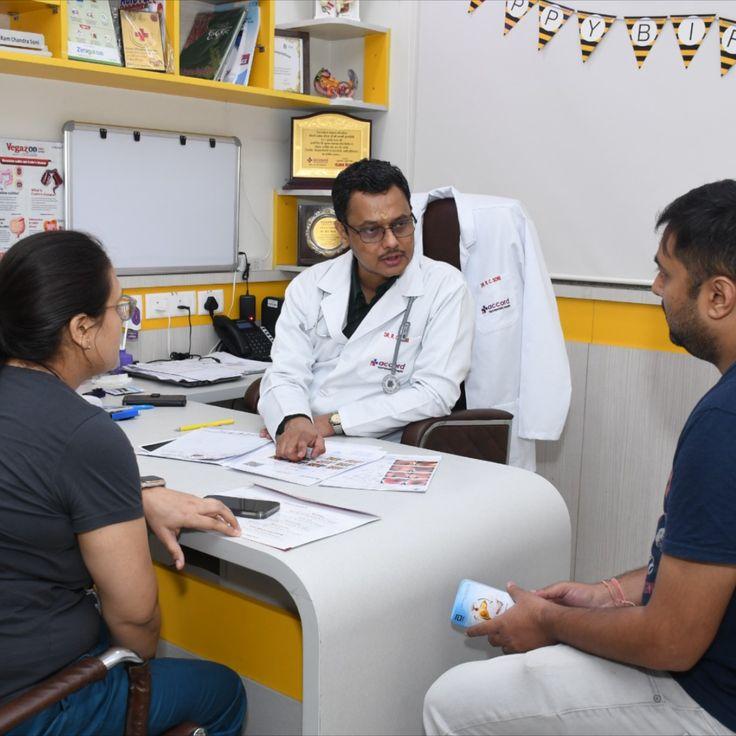
A Sexual Health Checkup in Dubai can be a straightforward way to learn more about your sexual health and screen for certain sexually transmitted infections (STIs). If you have never had a sexual health appointment before, knowing what happens during the visit can make the experience more comfortable.
The exact process varies depending on your symptoms, medical history, sexual exposure, and the tests recommended by the healthcare professional. Some appointments may involve only laboratory testing, while others may include a more detailed consultation or examination.
Starting With a Consultation
A sexual health appointment usually begins with a private conversation about your health concerns. The healthcare professional may ask about symptoms, recent sexual activity, previous STI testing, potential exposure, and relevant medical history.
These questions are intended to help determine which tests may be appropriate. Providing honest and accurate information can make it easier for the healthcare professional to recommend suitable screening.
Discussing Your Symptoms
If you have symptoms such as unusual discharge, burning while urinating, genital sores, itching, pelvic discomfort, or testicular pain, explain when they started and whether they have changed.
Not every sexual health symptom is caused by an STI. Some can have other explanations, so professional assessment is important.
Even when there are no symptoms, testing may still be recommended based on potential exposure or individual risk factors.
Choosing the Appropriate Tests
There is no single test that detects every STI. Depending on your circumstances, the healthcare professional may recommend testing for infections such as HIV, syphilis, chlamydia, gonorrhea, hepatitis B, or hepatitis C.
The recommended tests may vary between individuals. Your symptoms, sexual exposure, anatomy, and previous testing can all influence the screening plan.
STD Test in Dubai: Sample Collection
An STD Test in Dubai may involve blood, urine, or swab samples. The sample required depends on the infection being investigated.
Blood samples are commonly used for certain infections, while urine or swab testing may be appropriate for others. Swabs can sometimes be collected from specific body sites depending on symptoms and sexual exposure.
The testing provider should explain the collection process before taking a sample.
Blood Sample Collection
If blood testing is recommended, a healthcare professional collects a small blood sample and sends it to a laboratory.
Blood testing may be used for infections such as HIV and syphilis and can also be relevant for hepatitis screening depending on individual circumstances.
The time since potential exposure is important because some infections may not be detectable immediately.
Urine Sample Collection
Some STI tests can be performed using a urine sample. The provider may give you specific instructions about collecting the sample.
Urine testing can be useful for certain infections but does not replace all other forms of STI screening.
Swab Collection
A swab may be used to collect a sample from a relevant body site. Depending on your symptoms and exposure, this could involve genital, throat, or rectal sampling.
The appropriate location depends on the type of sexual contact and the infection being investigated.
Is a Physical Examination Always Required?
Not every sexual health appointment requires a physical examination. Whether an examination is needed depends on your symptoms and the healthcare professional's assessment.
If you have visible sores, rashes, discharge, swelling, or other physical changes, an examination may help determine which tests or treatments are appropriate.
How Long Does the Appointment Take?
The length of a sexual health appointment can vary depending on the number of tests required and whether a physical examination or consultation is needed.
A straightforward screening visit may be relatively brief, while appointments involving symptoms or multiple concerns may take longer.
Ask the provider about the expected appointment process when scheduling your visit.
When Will You Receive Results?
The turnaround time depends on the specific tests and laboratory processing. Some results may be available sooner than others.
Before testing, ask when you can expect your results and how they will be communicated.
What Happens If Your Result Is Positive?
A positive result means that the relevant infection was detected. A healthcare professional can explain what the result means and discuss appropriate treatment or management.
Depending on the infection, partner testing, follow-up testing, or additional precautions may be recommended.
Avoid taking medication without professional advice because treatment depends on the specific infection.
What Happens If Your Result Is Negative?
A negative result generally means that the tested infection was not detected by that particular test at the time it was performed.
However, testing too soon after exposure may not detect some infections. If you had a recent potential exposure, the healthcare professional may recommend repeat testing at an appropriate time.
Can You Ask Questions During the Appointment?
Absolutely. You can ask about the tests being recommended, how samples are collected, when results will arrive, and what the results mean.
You can also ask about prevention, future screening, and what to do if a result is positive.
Privacy During a Sexual Health Checkup
Sexual health information is sensitive. Before testing, you can ask the provider how your personal information, samples, and results are handled.
Understanding the provider's confidentiality procedures can help you feel more comfortable discussing your concerns.
How to Prepare for Your Visit
Preparation depends on the tests being performed. Tell the healthcare professional about current medications, recent antibiotics, previous STI testing, symptoms, and the date of any potential exposure.
If the provider gives specific instructions before sample collection, follow them carefully.
Final Thoughts
Knowing what to expect from a Sexual Health Checkup in Dubai can make the testing process less stressful. A typical visit may include a private consultation, discussion of symptoms and exposure, appropriate STI testing, sample collection, and follow-up once results are available.
Because the testing process is individualized, the healthcare professional can recommend the most appropriate tests based on your circumstances and explain what each result means.

 English
 Arabic
 French
 Spanish
 Portuguese
 Deutsch
 Turkish
 Dutch
Dutch
 Italiano
 Russian
 Romaian
 Portuguese (Brazil)
