
Climate Resilience and Infrastructure Renewal Are Elevating Water Pump Priorities Across Benelux
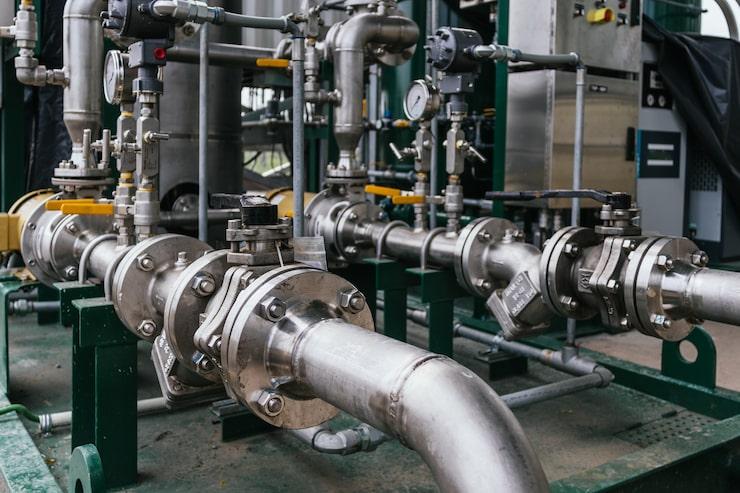
Water management has exceptional importance across the Benelux region. The Netherlands, Belgium, and Luxembourg depend on pumping infrastructure for applications ranging from municipal water supply and wastewater management to drainage, flood protection, agriculture, buildings, and industrial processes. Increasing climate variability and the modernization of water infrastructure are making reliability, efficiency, and intelligent pump control increasingly relevant.
According to a Vyansa Intelligence report, the Benelux water pump market was valued at USD 365 million in 2025 and is projected to reach USD 420 million by 2032, representing a 2.03% CAGR during 2026–2032.
Water Management Creates Distinctive Pumping Requirements
The geography of the Benelux region makes water management particularly important. The Netherlands provides the clearest example, with extensive low-lying areas requiring carefully controlled movement of surface water. Belgium also manages dense urban and industrial water networks, while Luxembourg requires dependable systems for municipal, commercial, and industrial applications.
For a Benelux water pump market analysis, this means demand extends beyond conventional water distribution. Pumps are relevant to drainage, groundwater management, irrigation, flood control, wastewater operations, buildings, and industrial fluid handling.
The Netherlands Demonstrates the Strategic Role of Pumps
The Netherlands operates one of Europe’s most sophisticated water-management systems.Rijkswaterstaat explains that water levels are managed through an interconnected system of structures that includes pumping stations, sluices, dams, and weirs.
During dry periods, pumping stations help distribute scarce freshwater to areas where it is needed. During periods of excessive water, pumps and discharge infrastructure help maintain appropriate water levels.
These detailed industry insights demonstrate why pumping equipment in Benelux can be considered critical infrastructure rather than simply mechanical equipment used at individual facilities.
Climate Adaptation Is Increasing Operational Complexity
Climate change creates contrasting challenges for regional water managers. More intense rainfall can increase drainage and flood-management requirements, while hotter and drier periods can create freshwater shortages.
Rijkswaterstaat notes that the Netherlands is experiencing conditions involving heavier rainfall and high river levels alongside warmer and drier summers. Water infrastructure consequently needs to perform effectively across changing hydraulic conditions.
This creates opportunities for pumping systems capable of adjusting output efficiently instead of operating continuously at fixed performance levels.
Large Pumping Projects Highlight Infrastructure Modernization
The modernization of the Afsluitdijk provides a practical example of how pumping technology is being incorporated into climate-resilient infrastructure. Rijkswaterstaat is strengthening the structure to improve protection against extreme water conditions while also increasing its ability to remove excess water from the IJsselmeer.
The project includes what the authority describes as Europe’s largest pumping station, designed to pump excess water when gravity-based discharge is insufficient.
For the latest industry analysis, projects of this type illustrate how climate adaptation can create requirements for high-capacity, dependable pumping technology.
Energy Efficiency Is Becoming a Lifecycle Priority
Electricity consumption can represent a substantial proportion of the lifetime operating cost of a pump, especially in municipal and industrial applications where equipment runs for long periods.
Correct pump sizing, efficient motors, variable-speed drives, hydraulic optimization, and intelligent controls can reduce unnecessary energy consumption. Instead of selecting equipment according to acquisition price alone, operators increasingly benefit from considering total lifecycle expenditure.
This approach can become particularly valuable when aging pumping stations are refurbished or replaced.
Digital Monitoring Can Improve Asset Reliability
Connected pumps can provide operators with continuous information about pressure, flow, vibration, temperature, and power consumption. These indicators can help maintenance teams identify abnormal operating conditions before they develop into major failures.
For a water pump industry report, digitalization represents an important development because pump performance is increasingly connected with wider asset-management platforms.
Remote monitoring is particularly useful for water authorities operating numerous geographically dispersed pumping stations that cannot be continuously inspected manually.
Wastewater Infrastructure Creates Demanding Applications
Municipal wastewater systems represent another important application environment. Pumps must move sewage and other process flows through collection networks and treatment facilities while dealing with varying flow conditions.
Wastewater can contain solids, fibres, and abrasive materials, creating different engineering requirements from clean-water applications. Equipment selection can therefore emphasize clog resistance, solids handling, corrosion resistance, maintenance accessibility, and dependable operation.
These requirements create opportunities for specialized pumps alongside conventional clean-water equipment.
Industrial Activity Broadens the Application Base
The Benelux economies contain substantial chemical, food-processing, pharmaceutical, manufacturing, logistics, and other industrial activities. Pumps are used throughout these facilities for process water, cooling, circulation, cleaning, wastewater transfer, and other fluid-handling requirements.
Industrial users may prioritize different characteristics from municipal utilities. Chemical compatibility, pressure, temperature tolerance, hygienic design, precision, and operational reliability can all influence equipment selection.
This diversity gives suppliers opportunities across multiple pump technologies and service models.
Freshwater Distribution Requires Flexible Infrastructure
Dry periods create another important requirement. Rijkswaterstaat explains that during water shortages, freshwater from major rivers and lakes is distributed through systems incorporating weirs, locks, and pumping stations.
Some pumping facilities can move additional freshwater into canals and regional systems when natural flows are insufficient. Temporary pumping installations may also be deployed under extremely low-water conditions.
For a water pump market research report, this demonstrates how pumps can contribute directly to water-security and drought-management strategies.
Maintenance Services Remain Important Across the Installed Base
Pump demand does not end with new equipment installation. Existing pumping stations and industrial facilities require inspection, spare parts, refurbishment, motor servicing, control upgrades, and eventual equipment replacement.
Predictive maintenance can further change this service environment by helping operators schedule interventions according to equipment condition rather than relying exclusively on fixed maintenance intervals.
Suppliers capable of combining equipment expertise with monitoring and lifecycle services can therefore address both new installations and the substantial existing pump base.
Smarter Pumping Will Support Benelux Water Resilience
Water pumps are fundamental to how the Benelux region manages its distinctive relationship with water. Flood protection, freshwater distribution, wastewater treatment, industrial processes, drainage, and building services all require dependable fluid movement.
Future equipment requirements are increasingly likely to emphasize efficiency, adaptability, monitoring, and lifecycle performance alongside basic hydraulic capability. As climate resilience and infrastructure modernization become more important, intelligently controlled pumping systems can support more responsive management of both water excess and water scarcity.

 English
 Arabic
 French
 Spanish
 Portuguese
 Deutsch
 Turkish
 Dutch
Dutch
 Russian
 Romaian
 Portuguese (Brazil)
 Greek
Greek
