
Essential Safety Tips For Using Industrial Carts
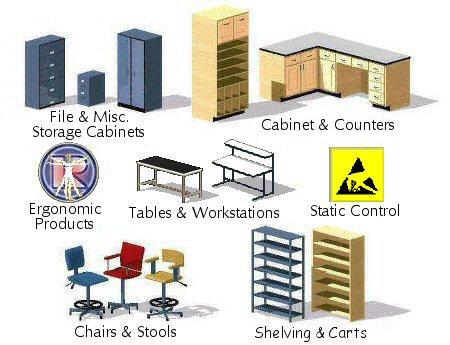
Industrial carts play a crucial role in material handling by making it easier to move heavy, bulky materials or multiple items across factories, warehouses, workshops and other industrial environments. However, even though these carts are designed for simplifying transportation, careless operation or overloading can cause serious safety hazards.
Workers may face risks like tipping, load displacement, collisions or physical strain if proper precautions are not followed. This makes safe cart operation an important part of workplace safety. Having a proper idea about the essential safety practices while using industrial carts can help to create a safe workplace. Some of the essential safety practices have been provided below.
Check the cart before use
A pre-inspection should be a routine part of operating any industrial cart. Before loading the cart, workers are recommended to examine its frame, handles, casters, fasteners and other components for visible damage or unusual wear. Look for cracks, bent sections, loose hardware, damaged wheels or components that appear unstable.
If the cart has brakes or locking mechanisms, it should be tested before use in order to make sure they are working properly. A damaged cart should not be used for transporting even lighter goods also. Taking a few moments for inspecting the equipment can help to identify smaller problems before they turn into serious hazards.
Follow the recommended load capacity
Every industrial cart is designed for carrying a specific amount of load. Exceeding this capacity can put immense stress on the frame, wheels and other components of the table. An overloaded cart is also difficult to move, thus increasing the possibility of accidents.
Workers should always check the manufacturer’s recommended load capacity and comply with it. The weight should also be distributed evenly rather than concentrated on a single area. If there is a requirement for transporting several heavy items, it is better to make multiple trips rather than attempting to move everything at once.
Maintain clear visibility
A cart operator needs to have a proper view of the path ahead. Stacking materials too high can obstruct visibility and make it difficult to identify equipment, obstacles or changes in floor conditions.
If the load blocks the operator’s view, then it should either be rearranged or transported in an alternative method. Maintaining proper visibility is essential, especially in busy warehouses and areas where workers and material handling equipment frequently share the same space.
Navigate slopes and uneven surfaces carefully
Slopes, ramps, wet surfaces or uneven flooring can make it difficult for workers to control industrial carts. For instance, a heavy cart can gain momentum on slope, thus making it harder to stop safely.
Operators are required to move slowly and maintain firm control when moving through these areas. Use wheel locks or other suitable controls for preventing unintended movement. Do not take unnecessary risks with heavy loaded carts on steep or uneven surfaces. Follow the facility’s procedures for transporting materials in these conditions.
Secure the cart when stationary
An unattended cart can move unexpectedly on its own if it is left on a slope or uneven flooring. This increases the risks of collisions or tripping, especially in busy workplaces.
In order to avoid this, workers can use wheel locking mechanisms when they are parking the cart. It should be positioned in a designated area instead of leaving it in emergency routes or high-traffic locations. Loads should also be positioned in a secure manner so that they do not fall while the cart is stationary.
Employees should receive proper training
Employees should receive proper training before they can operate industrial carts. This should cover basic inspection procedures, load capacity limits, proper loading techniques, safe movement practices and procedures for dealing with damaged equipment.
Training should also reflect the specific types of carts and workspace conditions involved. For instance, operating a small cart may have different regulations from operating a large industrial cart.
Conclusion
Industrial carts may improve productivity and make material handling considerably easier. However, they should be operated in a responsible manner. By following the above mentioned practices, businesses can reduce avoidable hazards while keeping all the operations dependable.

 English
 Arabic
 French
 Spanish
 Portuguese
 Deutsch
 Turkish
 Italiano
 Russian
 Romaian
 Portuguese (Brazil)
 Greek
