
Diagnosing Failure: Interpreting PAT Test Results in the Red Zone
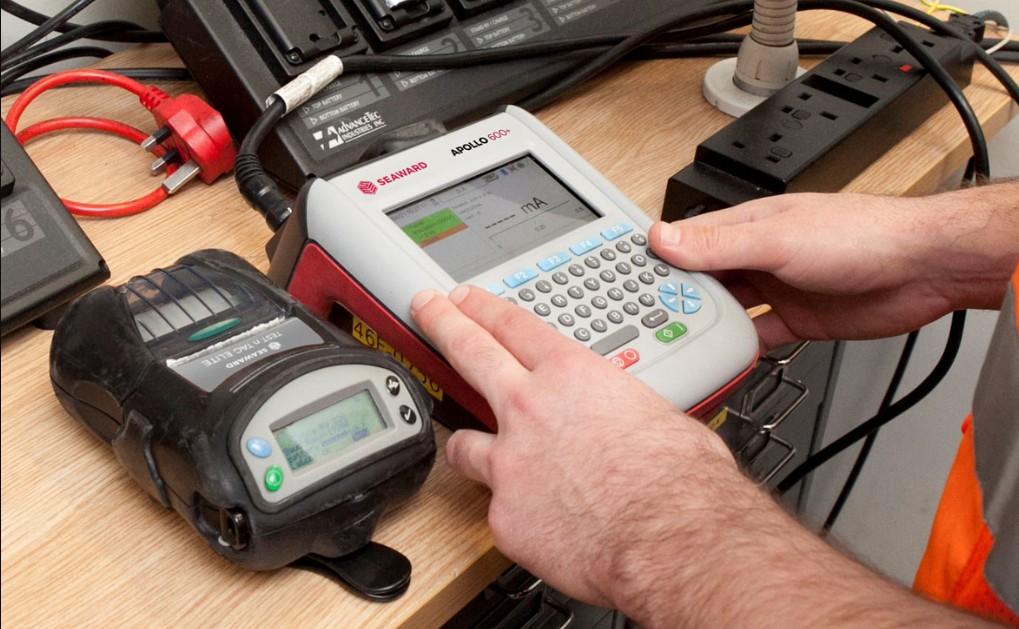
Portable Appliance Testing (PAT) is the cornerstone of electrical safety management in any workplace. Every time a technician connects a device to a tester, they are performing a vital risk assessment designed to protect users from fire, electric shock, and equipment failure. However, the true value of a PAT technician lies not in the green 'Pass' results, but in their ability to correctly interpret a 'Fail' result. When a test leads to a red zone reading, the device is deemed unsafe and must be immediately removed from service. Understanding why a device has failed, and differentiating between a critical safety violation and a manageable fault, requires a deep understanding of electrical circuitry and testing standards, which is best achieved through a structured pat testing course.
The Anatomy of an Insulation Resistance Failure
One of the most frequent reasons for a red-zone fail is an insulation resistance test reading that falls below the acceptable threshold. This test measures the resistance of the insulation between the internal live parts of the appliance and its outer casing (or exposed metal parts). If the insulation has become brittle, damp, or contaminated with conductive dust, the resistance value will drop. When the tester detects a value lower than the mandated safety limit (typically 1 Megaohm for Class I appliances), it registers a fail. A technician must then determine if this is due to a permanent defect in the cable or an internal component issue.
Earth Continuity: The Critical Path to Safety
For Class I electrical appliances, the earth continuity test is the most important measurement of all. The purpose of this test is to ensure that the metallic case of the appliance is effectively connected to the earth pin of the plug. If a live wire ever touches the metal casing due to an internal short, the fault current must be able to flow safely through the earth wire to trip the circuit breaker. If the resistance in this path is too high (typically above 0.1 to 0.5 Ohms), the breaker might not trip fast enough to save a human life. A red-zone fail on the earth continuity test is an immediate 'stop-work' alert. It often indicates loose connections within the plug or frayed earth conductors inside the power cord. Recognizing these physical indicators of danger is a core competency taught to those pursuing a professional pat testing course.
Interpreting Leakage Current and Protective Device Interaction
Leakage current tests—which measure the flow of current through the insulation during operation—can also result in a fail if they exceed safety limits. This is particularly relevant for sensitive electronics or items with complex filtering components, such as power supplies or IT equipment. If a device fails this test, it may suggest that the appliance is deteriorating internally or that it is being used in an environment where it is subjected to excessive moisture, causing surface leakage. A technician must decide if the fail is caused by the appliance itself or if it is a result of the device's design interacting with the testing environment. This level of technical reasoning requires more than just pushing buttons; it requires the foundational theory provided by a comprehensive pat testing course, ensuring the technician acts as a consultant rather than a mere data recorder.
Documenting and Managing the Failed Appliance
When an appliance reaches the red fail zone, the process of documenting the failure is just as critical as the test itself. The failed item must be clearly labeled as 'DANGER: DO NOT USE,' tagged with the date of the test, and removed from the active inventory. The failure must then be logged in the maintenance register with the specific reason for the fail (e.g., 'insulation breakdown on live lead'). This register acts as a legal shield, proving that the employer is actively managing electrical risks. Furthermore, if a failure is repeatable across multiple similar devices, it may indicate a manufacturing defect that warrants a larger recall or a change in procurement policy. A professional who has mastered their craft through a pat testing course understands that their report is the final piece of evidence in the site’s safety audit trail.
The Professional Responsibility of the PAT Technician
Ultimately, interpreting a red-zone fail is an exercise in professional integrity. It can be tempting to re-test an item in the hope that it passes on the second attempt, but this 'testing until it passes' mentality is a severe violation of safety ethics. If an appliance has failed, there is a physical reason, and that reason must be addressed before the item returns to the circuit. A qualified technician views a failure as a success in terms of safety—they have identified a hidden hazard before it could cause an injury.

 English
 Arabic
 French
 Spanish
 Portuguese
 Deutsch
 Turkish
 Dutch
Dutch
 Italiano
 Romaian
 Portuguese (Brazil)
 Greek
Greek
