Maintaining good oral health requires more than brushing your teeth every day. Regular professional examinations, preventive care, professional cleaning, and timely treatment can help protect teeth and gums from common dental problems. A reliable dental clinic in Dubai can provide comprehensive oral healthcare designed around the individual needs of each patient.
From routine checkups and gum assessments to restorative procedures and cosmetic treatments, professional dental services can support your smile at different stages of life. Understanding the services available can help you choose appropriate care and avoid delaying treatment when a concern develops.
What Does Complete Dental Care Include?
Complete oral care generally combines prevention, diagnosis, treatment, and maintenance. A professional dental provider may offer routine examinations, professional cleaning, fillings, crowns, root canal treatment, gum care, orthodontics, tooth replacement, and cosmetic dentistry.
The right combination of services depends on your age, dental history, oral hygiene, and current condition.
The Importance of Comprehensive Care
A comprehensive approach allows dental professionals to consider the overall condition of your mouth instead of focusing on one isolated symptom. This can be especially useful when several dental concerns require monitoring.
Regular professional care can also help establish a long-term plan for maintaining healthy teeth and gums.
Enfiled Dental clinic for Complete Dental Care
Patients looking for professional oral healthcare may consider Enfiled Dental clinic for dental examinations, preventive services, and personalized treatment planning.
A detailed consultation allows patients to discuss their dental concerns and understand the recommended options. Clear communication is important because every patient may have different priorities, expectations, and treatment requirements.
A suitable dental plan should be based on professional examination and individual oral health needs.
The Role of Preventive Dental Checkups
Routine examinations are an important part of maintaining oral health. During a checkup, a dental professional may examine teeth, gums, bite, existing restorations, and other oral structures.
Regular monitoring can help identify changes before they become more difficult to manage.
Early Diagnosis of Dental Problems
Some cavities, gum problems, and structural changes may develop without causing immediate pain. Professional examinations provide an opportunity to detect these concerns earlier.
Early intervention may sometimes help preserve more natural tooth structure and reduce the complexity of treatment.
Benefits of Professional Teeth Cleaning
Daily brushing is essential, but it may not remove all plaque from difficult-to-reach areas. When plaque remains on teeth, it can harden into tartar.
Professional cleaning helps remove hardened deposits and supports healthier teeth and gums.
Supporting Gum Health
Tartar buildup around the gumline can contribute to gum inflammation. Professional cleaning can help control this buildup while your daily brushing and interdental cleaning maintain the results between appointments.
Your dental professional can recommend a cleaning schedule based on your individual oral health.
Treating Tooth Decay
Tooth decay can occur when acids produced by oral bacteria gradually weaken tooth enamel. Frequent sugary foods and drinks, plaque accumulation, and poor oral hygiene can increase the risk.
A dental examination can determine the extent of decay and the appropriate treatment.
Dental Fillings and Restorations
When decay has damaged a tooth, a filling may restore its shape and function. More extensive damage may require a crown or another restorative procedure.
The goal is to address the affected area while preserving healthy tooth structure whenever possible.
Maintaining Healthy Gums
Gum health is essential for supporting natural teeth. Plaque and tartar around the gumline can cause inflammation and may contribute to periodontal disease if not properly managed.
Regular examinations can help monitor gum condition and identify early warning signs.
Signs You Should Not Ignore
Bleeding gums, swelling, redness, tenderness, persistent bad breath, and gum recession can indicate that professional evaluation is needed.
Ignoring these symptoms may allow an underlying condition to become more advanced.
Managing Tooth Sensitivity
Tooth sensitivity can occur for several reasons, including enamel wear, gum recession, cavities, cracks, and exposed tooth surfaces.
Professional assessment is important because treatment depends on the underlying cause.
Finding the Right Solution
Your dentist may recommend changes to your oral hygiene routine or specific dental treatment depending on the condition.
Persistent sensitivity should not simply be ignored, especially if it is getting worse or occurring alongside pain.
Restorative Dentistry for Damaged Teeth
Teeth can become damaged through decay, injury, grinding, or normal wear. Restorative dentistry focuses on repairing affected teeth and restoring their function.
Treatment may include fillings, crowns, bridges, or other appropriate restorations.
Preserving Natural Teeth
Prompt treatment can help prevent certain dental problems from progressing. A professional examination can determine whether a tooth can be restored and which option is most suitable.
Maintaining natural teeth whenever possible is often an important part of treatment planning.
Root Canal Treatment
When infection or significant damage reaches the inner portion of a tooth, root canal treatment may be recommended in suitable cases.
The procedure involves removing affected tissue, cleaning the internal tooth structure, and sealing the tooth.
When Professional Assessment Is Needed
Persistent toothache, swelling, prolonged sensitivity, or pain while biting can require dental evaluation.
These symptoms can have several causes, so a professional diagnosis is necessary before deciding whether root canal treatment is appropriate.
Orthodontic Dental Services
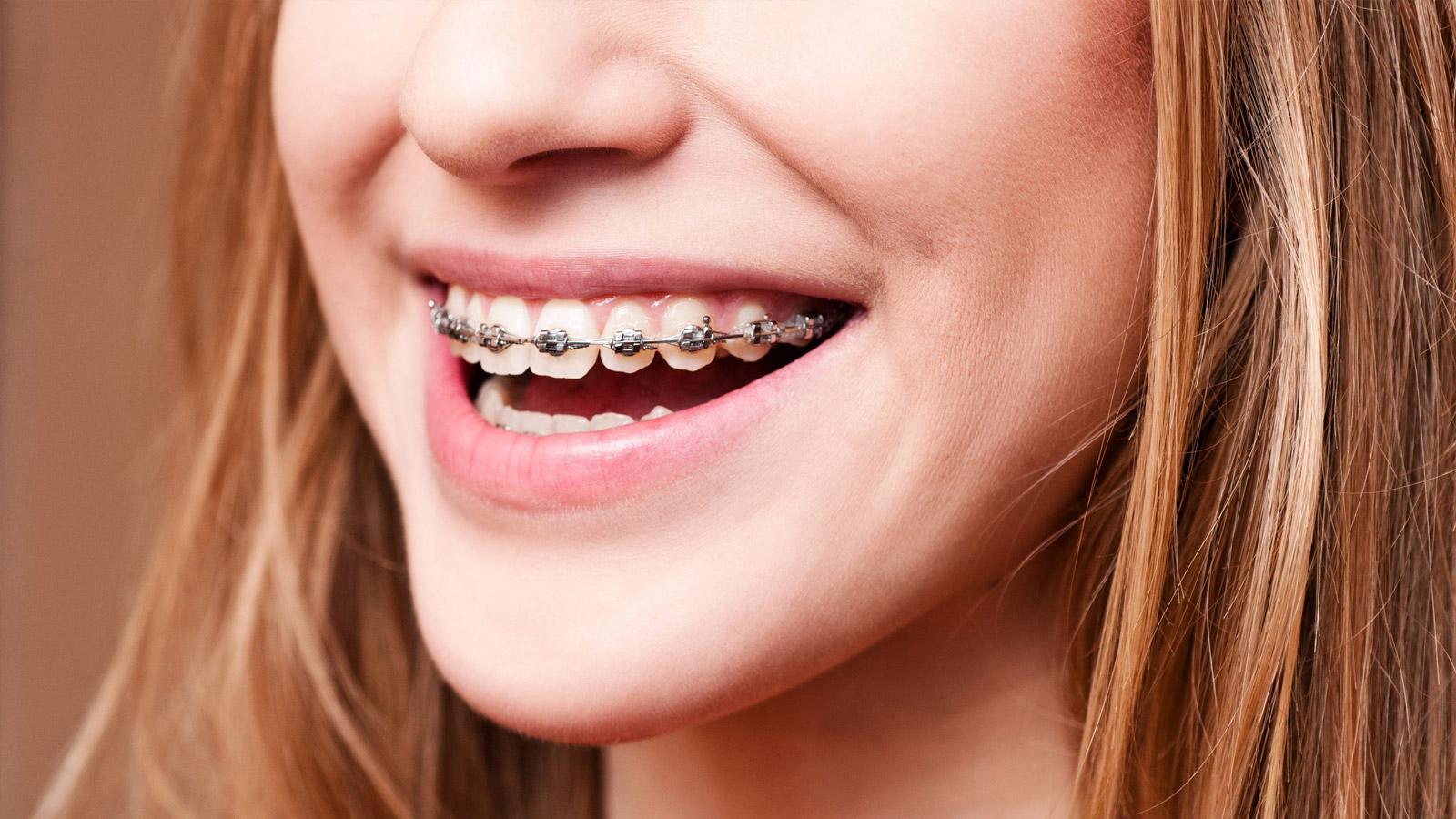
Misaligned teeth and bite problems can affect both appearance and oral function. Orthodontic treatment can gradually move teeth into improved positions.
Depending on the case, treatment may involve traditional braces or clear aligners.
Improving Tooth Alignment
An orthodontic assessment considers tooth position, bite, jaw development, and other factors before treatment begins.
A personalized plan can help determine the expected treatment duration and suitable orthodontic approach.
Cosmetic Dental Care
Cosmetic dentistry can help improve the appearance of teeth and smiles. Depending on individual needs, treatments may include professional whitening, veneers, bonding, or cosmetic restorations.
Cosmetic procedures should be planned after evaluating the health of the teeth and gums.
Creating a Balanced Smile
A natural-looking smile depends on more than tooth color. Tooth shape, alignment, proportions, gum appearance, and facial features can all influence the final result.
Professional planning can help ensure that cosmetic treatment is appropriate for the patient's goals.
Dental Care for Children
Children require age-appropriate dental care as their primary and permanent teeth develop. Regular examinations can help monitor tooth eruption, identify cavities, and encourage good oral hygiene habits.
Parents can also receive guidance about brushing, fluoride, diet, and preventive care.
Building Healthy Habits Early
Teaching children to brush regularly and attend dental appointments can help establish positive habits.
A comfortable dental environment can also help children become more familiar with professional oral healthcare.
Dental Care for Older Adults
Older adults may experience tooth wear, gum recession, dry mouth, missing teeth, or changes in existing restorations. Regular dental monitoring can help manage these concerns.
Treatment plans should consider overall oral health and the patient's individual circumstances.
Protecting Oral Function
Maintaining functional teeth can support comfortable chewing and speaking. Where teeth are missing, options such as dentures, bridges, or dental implants may be considered depending on suitability.
A professional assessment is necessary before selecting a replacement option.
Why Dental Technology Matters
Modern dental technology can support diagnosis and treatment planning. Depending on the clinic and procedure, digital imaging, intraoral cameras, scanning systems, and other tools may be used.
These technologies can provide additional information and help professionals explain dental conditions to patients.
Technology and Treatment Planning
Digital tools can be particularly useful for orthodontic, implant, restorative, and cosmetic procedures.
However, technology should complement professional clinical judgment rather than replace a complete examination.
Final Thoughts
Complete dental care combines prevention, diagnosis, treatment, and long-term maintenance. Regular examinations, professional cleaning, healthy oral hygiene habits, gum care, restorative treatment, and appropriate cosmetic or orthodontic services can all contribute to better oral health.
If you are searching for a dental clinic in Dubai, consider a provider that offers comprehensive services, professional expertise, modern diagnostic methods, strong hygiene standards, and personalized treatment planning. Consistent professional care combined with good daily habits can help protect your teeth, support healthy gums, and maintain your smile for years to come.


 English
 Arabic
 French
 Spanish
 Portuguese
 Deutsch
 Turkish
 Italiano
 Russian
 Romaian
 Portuguese (Brazil)
 Greek
Greek
