
Hair Transplant in Islamabad: Is It the Right Solution for Your Hair Loss?
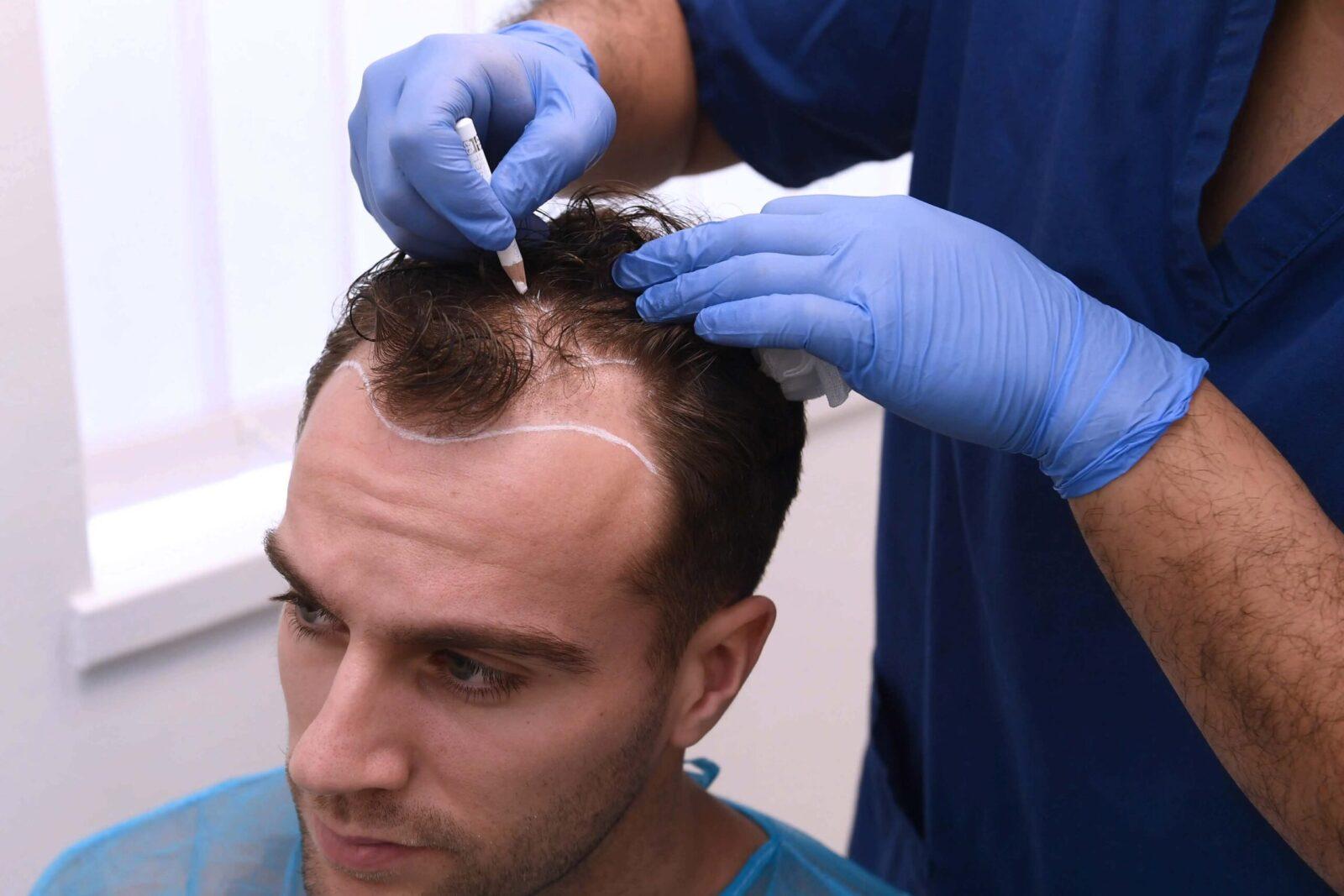
Hair loss can affect appearance, confidence, and everyday social interactions. While occasional shedding is normal, progressive thinning, a receding hairline, or visible bald patches may indicate a more persistent problem. Hair loss can have several causes, including hereditary factors, nutritional deficiencies, medical conditions, medications, and scalp disorders. Therefore, identifying the underlying cause is an important first step before choosing a treatment.
For people experiencing permanent pattern hair loss, Hair Transplant in Islamabad can be a long-term option for restoring areas with significant thinning or baldness. However, a transplant is not automatically the right choice for everyone. Suitability depends on the cause and extent of hair loss, the availability of healthy donor hair, scalp condition, and realistic expectations.
What Is a Hair Transplant?
A hair transplant is a procedure that moves healthy hair follicles from a donor area of the scalp to areas affected by thinning or baldness. Modern techniques generally involve transplanting individual follicular units to create a more natural-looking hairline and density. Common approaches include Follicular Unit Extraction (FUE), in which individual follicles are removed, and techniques that involve removing a strip of scalp tissue.
The objective is not necessarily to recreate the density of your teenage years. Instead, the goal is usually to improve coverage and create a natural appearance that suits your existing facial features and available donor hair.
Who May Be a Good Candidate?
A suitable candidate generally needs sufficient healthy donor hair and an area of the scalp capable of supporting transplanted follicles. A proper assessment can help determine whether transplantation is appropriate.
You may be considered for a transplant if you have:
- Hereditary or pattern hair loss
- A receding hairline
- Noticeable thinning or bald areas
- Stable hair loss with sufficient donor density
- Realistic expectations about the final outcome
Younger patients with rapidly progressing hair loss may sometimes be advised to stabilize their hair loss before surgery. This is because existing non-transplanted hair can continue thinning even after a successful transplant. Hair-loss medication may be recommended in appropriate cases to help maintain the surrounding hair.
When Might a Hair Transplant Not Be the Best Choice?
Not every type of hair loss should immediately be treated with surgery. Temporary hair shedding caused by nutritional deficiencies, certain medications, illness, hormonal changes, or some scalp conditions may improve when the underlying problem is addressed.
Scarring forms of alopecia can also require specialized medical management because inflammation may damage follicles permanently. A proper scalp examination is therefore important before considering transplantation.
If hair loss has started suddenly or is accompanied by itching, pain, scaling, inflammation, or rapidly developing bald patches, medical evaluation should come before cosmetic treatment.
What Can You Expect During Recovery?
Hair transplantation is usually performed with local anesthesia, and the procedure can take several hours depending on the number of follicles being transplanted. After treatment, patients receive instructions for caring for the scalp and protecting the newly transplanted follicles.
One important point is that transplanted hairs can temporarily shed within the first few weeks. This does not necessarily mean the procedure has failed. New growth develops gradually, and visible improvement commonly begins several months after surgery. Many patients see meaningful results around six to nine months, although some may require up to a year for the final outcome to become clearer.
How Should You Decide?
Choosing a hair transplant should involve more than comparing procedures or looking at before-and-after photographs. A consultation should evaluate your hair-loss pattern, scalp health, donor area, expectations, and possible alternatives.
It is also important to choose a qualified medical professional with appropriate experience in hair restoration. The skill of the practitioner can significantly influence the design of the hairline, placement of follicles, and overall appearance of the result.
FAQs
Is a hair transplant permanent?
Transplanted follicles can provide long-lasting growth, but surrounding non-transplanted hair may continue to thin. Ongoing medical management may therefore be recommended for some patients.
How long does it take to see hair transplant results?
Initial changes take several months. Many patients see noticeable results around six to nine months, while the final outcome can take approximately 12 months in some cases.
Is everyone with hair loss eligible for a transplant?
No. Eligibility depends on the cause of hair loss, donor hair availability, scalp health, and the ability of the recipient area to support transplanted follicles.
Can hair loss continue after a transplant?
Yes. A transplant does not necessarily stop natural hair loss in untreated areas. A qualified professional may recommend additional treatment to help preserve existing hair.
Should I treat the cause of hair loss before getting a transplant?
In many cases, yes. Because hair loss can have different causes, identifying the underlying problem can help determine whether transplantation or another treatment is more appropriate.
Final Thoughts
A hair transplant can be an effective long-term option for people with suitable donor hair and permanent pattern hair loss, but it should be approached as an individualized medical decision rather than a quick fix. A detailed assessment can help determine whether transplantation is appropriate and what results are realistically achievable. If you are considering treatment, discuss your goals and concerns with a qualified hair-restoration professional before making a decision.

 English
 Arabic
 Spanish
 Portuguese
 Deutsch
 Turkish
 Dutch
Dutch
 Italiano
 Russian
 Romaian
 Portuguese (Brazil)
 Greek
Greek
