
Why Electric Taxis Are Gaining Momentum in Indonesia
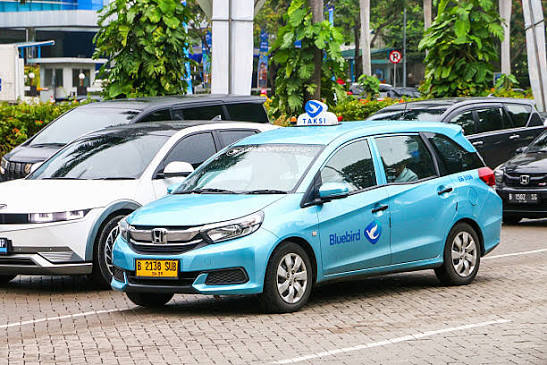
Indonesia is steadily moving toward cleaner urban transportation as electric mobility becomes an integral part of the country's long-term sustainability strategy. Rising fuel costs, increasing environmental awareness, and government-backed initiatives are encouraging transportation operators to evaluate battery-powered alternatives. Among these, electric taxis have emerged as a practical solution for reducing emissions while improving operational efficiency in densely populated urban centers.
The Indonesia Electric Taxi Market reflects this transition as fleet operators, ride-hailing platforms, and taxi companies increasingly invest in battery-electric vehicles. According to an analysis published by MarkNtel Advisors, the market was valued at USD 16 million in 2025 and is projected to grow from USD 22 million in 2026 to USD 48 million by 2032, registering a CAGR of around 13.89% during the forecast period. The report also highlights how supportive government policies and evolving urban mobility strategies continue to strengthen electric mobility adoption across Indonesia.
Government Incentives Continue to Support Fleet Electrification
One of the strongest drivers behind electric taxi adoption is Indonesia's supportive fiscal policy. Although national regulations have gradually shifted toward broader vehicle taxation, regional governments continue introducing incentives that reduce operating costs for electric vehicle owners. Such measures provide confidence for fleet operators planning long-term investments in sustainable transportation.
A notable example came in May 2026, when Jakarta's Revenue Agency confirmed that battery electric vehicles would remain fully exempt from Motor Vehicle Tax (PKB) and Motor Vehicle Title Transfer Fee (BBNKB). The decision maintained lower ownership costs despite Home Affairs Regulation No. 11 of 2026 making electric vehicles technically taxable nationwide. These regional incentives preserve a significant financial advantage for taxi operators transitioning from conventional fuel-powered vehicles.
Lower Operating Costs Improve Fleet Profitability
Fleet economics remain one of the primary reasons taxi companies are adopting electric vehicles. Electricity generally offers more stable operating costs than gasoline or diesel, while electric powertrains contain fewer moving parts, reducing maintenance requirements. Over time, these savings become increasingly valuable for commercial fleets operating throughout the day.
Industry observers have consistently noted that lower total cost of ownership is among the most influential factors accelerating commercial electric vehicle deployment in urban transport systems. As battery technology continues improving and charging infrastructure expands, fleet operators are expected to benefit from greater operational efficiency and long-term cost predictability.
Urban Sustainability Goals Encourage Electric Mobility
Indonesia's largest metropolitan areas continue implementing initiatives designed to improve air quality and reduce transportation-related emissions. Since taxis operate continuously throughout cities, replacing conventional vehicles with battery-electric models can significantly lower local pollution levels while supporting broader environmental objectives.
Electric taxi deployment also aligns with national decarbonization strategies that encourage cleaner transportation across public and commercial mobility services. Collaboration between government agencies, automotive manufacturers, charging infrastructure providers, and mobility platforms is creating a stronger ecosystem capable of supporting large-scale fleet electrification in the coming years.
Infrastructure Expansion Will Shape Future Adoption
Charging availability remains an important consideration for commercial operators. Continued investments in public charging stations, fast-charging technologies, and depot-based charging facilities will determine how efficiently taxi fleets can maximize vehicle utilization. Improved infrastructure reduces charging downtime while making electric fleets increasingly practical for high-mileage commercial operations.
Advances in battery performance, vehicle range, and charging speed are expected to further strengthen confidence among transportation companies considering electrification. Combined with supportive regulatory frameworks and improving operational economics, these developments position Indonesia as one of Southeast Asia's promising electric mobility markets.
Looking Ahead
Indonesia's electric taxi landscape continues to evolve through a combination of policy support, improving technology, and changing fleet economics. Regional tax incentives, particularly in Jakarta, demonstrate how local governments can accelerate commercial electric vehicle adoption even as broader national regulations evolve. Together with expanding charging infrastructure and growing sustainability commitments, these factors are expected to support continued growth in battery-powered taxi fleets during the 2026–2032 forecast period.

 English
 Arabic
 Spanish
 Portuguese
 Deutsch
 Turkish
 Dutch
 Italiano
 Russian
 Romaian
 Portuguese (Brazil)
 Greek
