
How Much Does Robotic Liver Transplant Cost in India? Factors and Expenses
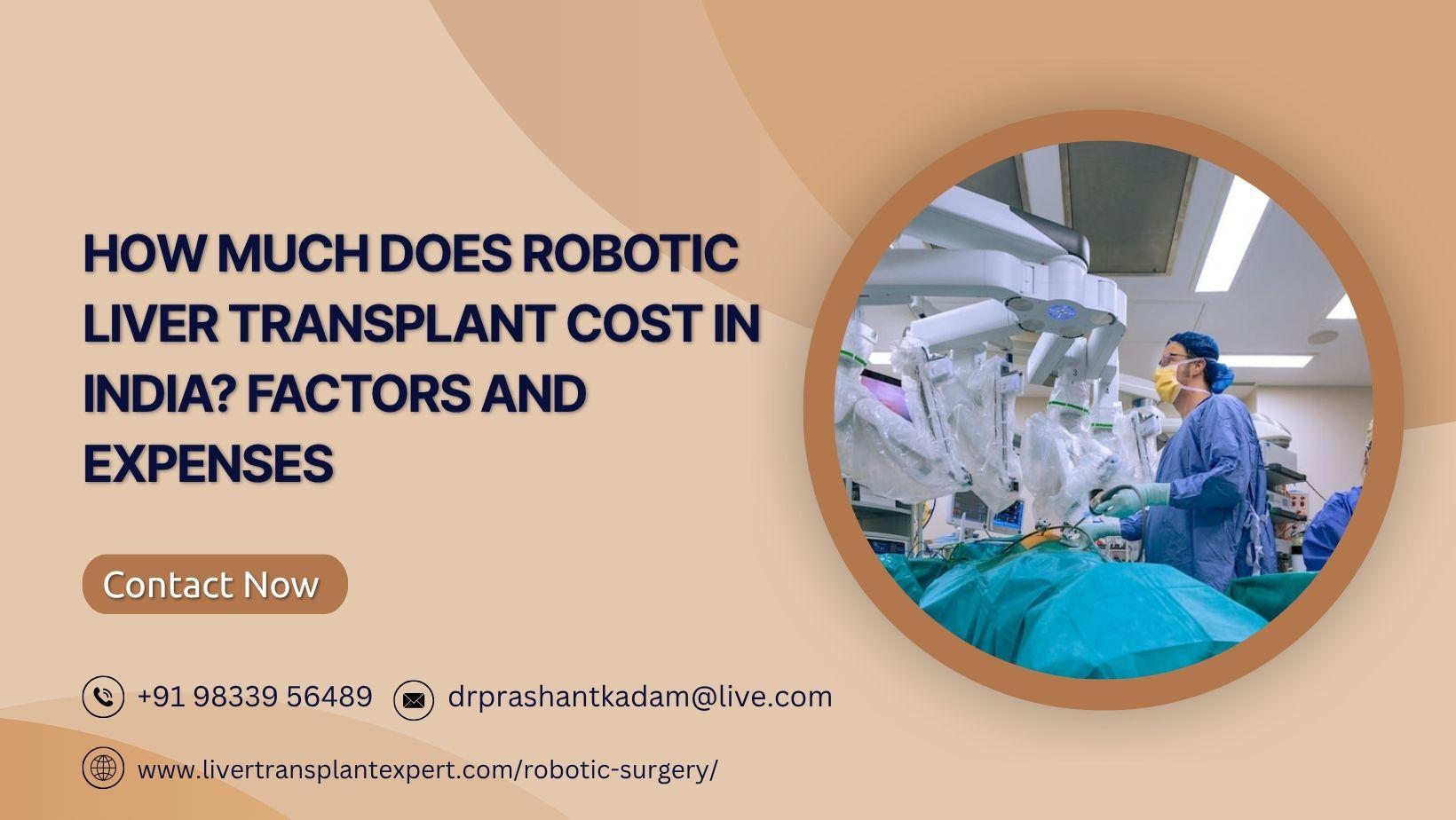
The Robotic Liver Transplant Cost in India can vary significantly because liver transplantation involves several stages of care, and robotic or minimally invasive techniques are still highly specialised. There is no single cost that applies to every patient. The final estimate depends on the transplant centre, surgical approach, patient complexity, donor evaluation, hospital stay, intensive care and follow-up requirements.
Importantly, robotic techniques do not replace the principles of liver transplantation. They represent a surgical approach that may be appropriate for carefully selected patients at centres with suitable expertise and infrastructure.
What Is Robotic Liver Transplantation?
Robotic liver transplant refers to the use of robotic or robot-assisted techniques during selected parts of the transplantation pathway. Minimally invasive and robotic techniques have advanced particularly in living-donor liver transplantation, including donor hepatectomy. Recent technical guidance notes that robotic and laparoscopic approaches have progressed, although their application to liver transplantation remains technically demanding and continues to develop.
Therefore, patients should not assume that every liver transplant can or should use a robotic approach. The transplant team determines suitability after assessing the recipient, donor, anatomy and overall clinical circumstances.
Factors Affecting Robotic Liver Transplant Cost
Several factors can influence the robotic liver transplant cost. The first is the complexity of the patient's medical condition. Patients with advanced liver disease, previous abdominal surgery or other significant health problems may require additional investigations and specialist care.
The type of transplant also matters. Living-donor transplantation involves assessment of both the recipient and donor. The donor requires detailed medical and anatomical evaluation before donation can proceed. The complexity of the donor operation can also affect the overall treatment plan.
Robotic Technology and Surgical Expenses
Robotic surgery requires specialised equipment, trained operating-room staff and appropriate surgical expertise. These factors can contribute to the overall expense of robotic liver surgery.
However, the presence of robotic technology alone should not determine treatment. International consensus recommendations emphasise appropriate patient selection, surgeon expertise and careful implementation of robotic hepatobiliary surgery.
The transplant team should explain why a robotic approach is being considered and whether it offers a meaningful benefit for the particular patient.
Pre-Transplant Evaluation and Donor Assessment
Before transplantation, the recipient undergoes a comprehensive evaluation. This may include blood tests, imaging, cardiovascular assessment, infection screening and other investigations based on individual health needs.
Living donors also require extensive evaluation to protect their health and determine whether donation is medically appropriate. These assessments form part of the overall financial planning for transplantation.
Mayo Clinic similarly identifies evaluation, testing, surgery, hospitalisation and follow-up as important components when considering liver transplant-related costs.
Hospitalisation and Intensive Care
Hospital charges form another important part of the total estimate. Liver transplantation requires specialised operating facilities, intensive care, laboratory services, imaging and experienced clinical teams.
The duration of hospitalisation varies according to recovery and complications. A patient with an uncomplicated recovery may have different expenses from someone who requires prolonged intensive care or additional treatment.
Mayo Clinic also highlights the importance of understanding costs before, during and after transplantation, including hospital stays and follow-up-related expenses.
Medicines and Long-Term Follow-Up
The financial commitment continues after discharge. Liver transplant recipients generally need long-term immunosuppressive medicines to reduce the risk of rejection. Regular consultations, blood tests and medication monitoring remain important parts of follow-up care.
Additional costs may arise from investigations or treatment for complications. Patients travelling from another city may also need to consider accommodation, transportation and caregiver expenses.
Choosing the Right Transplant Specialist
Patients should not select a transplant programme solely according to the quoted price. Experience with liver transplantation, expertise in minimally invasive techniques, multidisciplinary support and appropriate hospital infrastructure are important considerations.
Those researching the best liver transplant doctor in India should assess the specialist's relevant experience and whether the transplant team can provide comprehensive care before and after surgery.
Patients considering individual specialists, including Dr Prashant Kadam, should evaluate relevant transplant and HPB surgical expertise, hospital facilities, multidisciplinary support and suitability for the specific clinical situation.
Is Robotic Liver Transplant More Expensive?
Robotic procedures may involve additional technology and specialised operating resources, but the total transplant cost cannot be determined simply by adding a “robotic surgery charge.” The patient's condition, transplant type, donor assessment, hospitalisation and postoperative requirements all contribute to the final estimate.
Patients should request a written quotation that clearly explains what the package includes and which expenses may arise separately.
Planning the Cost Carefully
The Robotic Liver Transplant Cost in India should be discussed directly with the transplant centre after clinical evaluation. Patients and families should ask about pre-transplant testing, donor evaluation, surgical and robotic charges, ICU care, hospitalisation, medicines, follow-up and potential additional expenses.
WHO transplantation principles emphasise safety, ethical practice, informed decision-making and appropriate oversight in organ transplantation.
Ultimately, cost is only one part of the decision. Appropriate patient selection, transplant expertise, surgical experience, hospital infrastructure and long-term care should remain central when evaluating robotic liver transplant options in India.

 English
 Arabic
 French
 Spanish
 Deutsch
 Turkish
 Dutch
Dutch
 Italiano
 Russian
 Romaian
 Portuguese (Brazil)
 Greek
Greek
