
How Best Doctors in dubai Explain the Difference Between
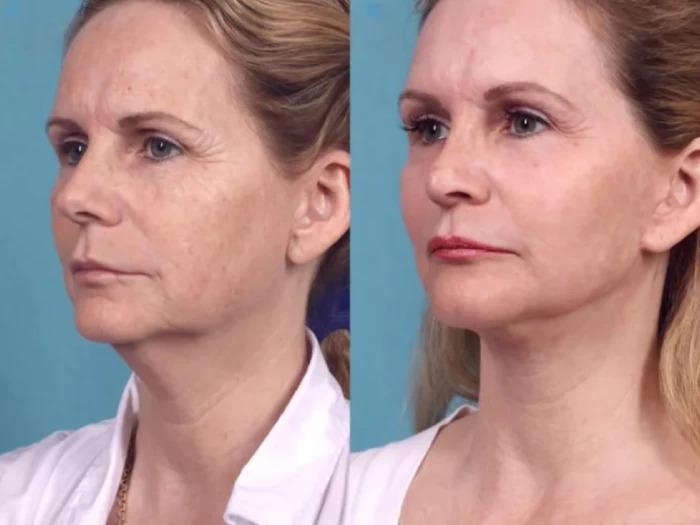
Chemical Peel Treatment Doctors in dubai Explain What a Chemical Peel Does
Chemical peel treatment Doctors in dubai describe chemical peels as exfoliating treatments that remove controlled layers of damaged skin. The peel solution contains specific ingredients that work on the outer layers of the skin.
As the treated skin gradually sheds, newer-looking skin can become more visible. Depending on the type and strength of the peel, the treatment may work mainly on the surface or reach deeper layers.
A chemical peel may be used to address concerns such as:
- Uneven skin tone
- Dull-looking skin
- Mild pigmentation
- Rough skin texture
- Fine lines
- Certain types of acne
- Post-acne marks
- Enlarged-looking pores
The results and recovery period depend strongly on the type of peel selected.
Celebrity Clinic in Dubai Explains the Main Types of Chemical Peels
The term Celebrity Clinic in Dubai is often associated with advanced beauty and skincare treatments, but the basic difference between chemical peels is primarily related to treatment depth.
Chemical peels are generally grouped into three main categories:
- Superficial peels
- Medium-depth peels
- Deep peels
Superficial peels generally affect the outermost layer of the skin. Medium-depth peels reach further into the skin, while deep peels are stronger and penetrate significantly deeper.
The stronger the peel, the greater the potential for noticeable skin renewal, but stronger treatments can also require more recovery and careful aftercare.
Best Doctors in Dubai Compare Superficial Chemical Peels
Best Doctors in Dubai often explain that superficial chemical peels are among the gentler options. They primarily work on the outermost layer of the skin and are commonly selected when someone wants a refreshed appearance without extensive recovery.
Ingredients used in superficial peels can include acids such as glycolic acid, lactic acid, or salicylic acid, depending on the specific formulation and skin concern.
These peels may help improve:
- Mild dullness
- Uneven texture
- Surface pigmentation
- Mild acne concerns
- Excess oil
- Rough-looking skin
Because superficial peels are generally milder, some people may have little visible peeling, while others may experience mild flaking. Results often develop gradually, and multiple sessions may sometimes be recommended depending on the individual's skincare goals.
Chemical Peel Treatment in Dubai and Medium-Depth Peels
Chemical Peel Treatment in Dubai can also involve medium-depth peels, which work deeper than superficial treatments. These peels may be considered for more noticeable pigmentation, uneven texture, certain acne marks, and early signs of skin aging.
Trichloroacetic acid, commonly called TCA, may be used in some medium-depth formulations. The exact concentration and treatment approach can vary considerably.
Because medium-depth peels affect deeper layers of the skin, the recovery period can be more noticeable. The skin may become red, sensitive, tight, or flaky as it renews.
Proper aftercare is especially important following a medium-depth peel. Sun protection, gentle skincare, and avoiding unnecessary irritation can help support the recovery process.
Chemical Peel in Dubai: Understanding Deep Chemical Peels
Chemical Peel in Dubai may also refer to deep chemical peels, which are considerably stronger than superficial and medium-depth treatments. Deep peels penetrate further into the skin and are generally reserved for specific concerns where a more intensive treatment is appropriate.
Deep peels can produce significant skin renewal, but they also involve a longer recovery period and greater potential for side effects. Redness, swelling, peeling, and sensitivity may be more pronounced compared with lighter treatments.
Because of their strength, deep chemical peels are not suitable for everyone. Skin characteristics, pigmentation tendencies, medical history, current skincare products, and the desired outcome should all be considered before treatment.
A stronger peel is not automatically a better peel. The most appropriate option is the one that matches the skin's needs safely and realistically.
Celebrity Doctor In Dubai Explains Why Peel Strength Matters
A Celebrity Doctor In Dubai may explain the difference between chemical peels by focusing on the balance between treatment intensity and skin needs.
A mild peel can provide surface exfoliation and a refreshed appearance with limited recovery. A medium peel can target deeper concerns but may require more downtime. A deep peel offers more intensive resurfacing but comes with greater recovery requirements.
This is why choosing a peel simply because it is stronger is not recommended.
The goal should be controlled skin renewal rather than excessive irritation. Using an unsuitable peel or applying a treatment too frequently may cause prolonged irritation, dryness, or unwanted pigmentation changes.
Dr. perfect celebrity Explains Chemical Peel Ingredients
Dr. perfect celebrity is another keyword commonly associated with discussions about advanced skincare, but the important point is understanding the role of different chemical ingredients.
Glycolic acid is an alpha hydroxy acid that can help exfoliate the skin and improve the appearance of uneven texture.
Lactic acid is another alpha hydroxy acid that is often considered a gentler exfoliating ingredient. It can be used in formulations designed to improve dullness and surface unevenness.
Salicylic acid is a beta hydroxy acid that is particularly useful for oily or acne-prone skin because it can work within pores and help remove excess buildup.
TCA can be used for medium-depth and certain other professional peel treatments. Its strength and application require careful control.
The ingredient alone does not determine the treatment result. Concentration, formulation, application technique, skin condition, and treatment depth all matter.
Perfect Doctors Clinic Explains Which Chemical Peel May Suit Different Concerns
Perfect Doctors Clinic can be included in general discussions about chemical peel treatment, but the basic principle remains the same: different skin concerns may require different approaches.
For dull or tired-looking skin, a superficial peel may be enough to provide gentle exfoliation.
For mild uneven pigmentation or rough texture, a suitable superficial or medium-depth treatment may be considered.
For oily and acne-prone skin, formulations containing salicylic acid may be useful because of the ingredient's exfoliating properties.
For more pronounced signs of aging or deeper skin concerns, stronger resurfacing treatments may sometimes be discussed.
However, these are general examples rather than universal recommendations. Skin reacts differently to chemical treatments, so an appropriate assessment is important before selecting a peel.
How Chemical Peel Depth Affects Recovery
One of the biggest differences between chemical peel types is recovery time.
Superficial peels generally have a shorter recovery period. The skin may feel slightly dry or sensitive, and mild flaking can occur.
Medium-depth peels usually cause more visible peeling and redness. Recovery can take longer, and the skin may require extra protection during this period.
Deep peels have the most significant recovery requirements. The skin may experience considerable redness, swelling, peeling, and sensitivity. A longer period of skin recovery should therefore be expected.
People should always follow the aftercare instructions provided for their specific treatment.
Chemical Peel Types and Skin Sensitivity
Skin sensitivity is another important consideration when comparing chemical peels. People with sensitive skin may not tolerate strong exfoliating treatments as easily as others.
Before a chemical peel, it is important to consider existing irritation, active skin problems, recent cosmetic treatments, sun exposure, and the skincare products currently being used.
Using strong exfoliating products immediately before or after a peel may increase irritation. Gentle cleansing, moisturization, and appropriate sun protection are commonly important parts of post-treatment skincare.
The skin should also be allowed enough time to recover before another exfoliating treatment is performed.
What Results Can You Expect From Different Chemical Peels?
The results of chemical peels can vary depending on the treatment type and the individual's skin.
Superficial peels may provide a brighter and smoother appearance. They can be useful for maintaining skin freshness when used appropriately.
Medium-depth peels may provide more noticeable improvements in texture and certain pigmentation concerns, although recovery is usually greater.
Deep peels can create substantial resurfacing effects but involve significantly more downtime and require careful consideration.
Chemical peels should not be viewed as an instant solution for every skin concern. Results can develop gradually as the skin completes its renewal process.
Chemical Peel Aftercare for Better Skin Recovery
Aftercare is an important part of any chemical peel. The newly treated skin can be more sensitive than usual, making protection particularly important.
Common aftercare principles include using gentle skincare products, avoiding unnecessary rubbing or picking, keeping the skin moisturized, and protecting the skin from sunlight.
Picking peeling skin can increase irritation and may interfere with normal recovery. It is generally better to allow the skin to shed naturally.
People should also avoid introducing strong exfoliating products or other potentially irritating ingredients until the skin has recovered sufficiently.
Who Should Be Careful With Chemical Peels?
Although chemical peels can be useful for many people, they are not appropriate for everyone or for every situation.
People experiencing active skin irritation, certain infections, open wounds, or significant inflammation may need to postpone treatment. Individuals with a history of unusual reactions or pigmentation changes should also discuss these concerns before treatment.
Pregnancy, breastfeeding, medications, recent cosmetic procedures, and current skincare routines may also be relevant when determining whether a particular peel is appropriate.
A professional skin assessment can help identify potential risks and determine whether a chemical peel is suitable.
Chemical Peel Treatment in Dubai: Choosing the Right Depth
When comparing chemical peel options, it is helpful to think about the treatment as a spectrum rather than three completely separate treatments.
A superficial peel is usually focused on gentle surface renewal. A medium-depth peel offers stronger resurfacing, while a deep peel provides intensive treatment with substantially more recovery.
The right choice depends on the desired result, skin condition, tolerance for downtime, and overall treatment plan.
The best chemical peel is not necessarily the strongest one. It is the treatment that provides an appropriate level of exfoliation for the specific skin concern while maintaining a sensible approach to skin safety.
Conclusion: Understanding the Difference Between Chemical Peel Types
Understanding the differences between chemical peel types can make the treatment process easier to understand. Superficial peels generally focus on the outermost skin layer and often involve less downtime. Medium-depth peels work deeper and may address more noticeable texture and pigmentation concerns. Deep peels are much stronger and involve considerably more recovery.
Best Doctors in Dubai discussions about chemical peels often emphasize that treatment depth, ingredients, skin type, and individual concerns all play an important role. Chemical Peel Treatment in Dubai can involve different approaches, so selecting a treatment should be based on the skin's needs rather than simply choosing the strongest option.

 English
 Arabic
 French
 Spanish
 Portuguese
 Turkish
 Dutch
Dutch
 Italiano
 Russian
 Romaian
 Portuguese (Brazil)
 Greek
Greek
