
What Monitoring Happens During Liposuction Procedure?
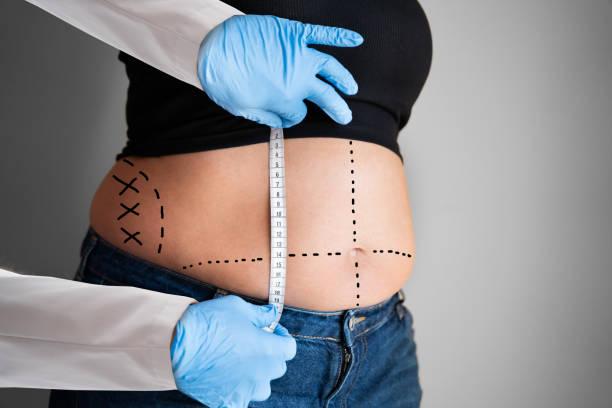
Ensuring safety during a Liposuction procedure in Riyadh (عملية شفط الدهون في الرياض) is just as important as achieving the desired body contours. Proper monitoring throughout the surgery helps minimize risks, ensures the procedure runs smoothly, and provides peace of mind for patients. Understanding what monitoring involves can help you feel more confident about your surgery.
Why Monitoring Matters
Patient Safety First
Liposuction is a surgical procedure that involves anesthesia and manipulation of fat tissue. Continuous monitoring during the Liposuction procedure in Riyadh ensures that vital signs such as heart rate, blood pressure, and oxygen levels remain stable throughout the surgery.
Preventing Complications
Monitoring helps detect any immediate complications such as irregular heartbeat, fluid imbalance, or excessive bleeding. Early detection allows the surgical team to respond promptly, reducing potential risks.
Types of Monitoring During Liposuction
Vital Signs Monitoring
Throughout the procedure, the patient’s heart rate, blood pressure, respiration rate, and oxygen saturation are continuously checked. This is crucial for patients under general or local anesthesia with sedation.
Anesthesia Monitoring
If general anesthesia or sedation is used, an anesthesiologist or certified nurse anesthetist carefully manages the anesthesia levels. This ensures the patient remains comfortable, safe, and responsive to treatment.
Fluid and Electrolyte Balance
During the Liposuction procedure in Riyadh, tumescent fluid or other solutions may be injected to minimize bleeding and ease fat removal. The surgical team monitors fluid levels to prevent imbalances and ensure optimal safety.
Real-Time Observation of Fat Removal
Surgeons continuously observe the treated area while using the cannula to remove fat. This monitoring ensures even fat removal, smooth contours, and reduces the risk of irregularities in body shape.
How Monitoring Enhances Outcomes
Improved Precision
Monitoring vital signs and fluid balance allows surgeons to focus on precise fat removal, achieving smoother contours and more natural-looking results.
Reduced Risk of Complications
Continuous observation and readiness to respond to any changes significantly reduce the risk of complications such as excessive bleeding, uneven results, or anesthesia-related issues.
Patient Comfort
Monitoring ensures that patients remain comfortable during the procedure, with appropriate adjustments made to anesthesia and sedation as needed.
Post-Operative Monitoring
Immediate Recovery
After the Liposuction procedure in Riyadh, patients are closely monitored in a recovery area. Vital signs, swelling, and pain levels are assessed before discharge.
Follow-Up Care
Post-operative monitoring continues during follow-up visits. Surgeons check incision healing, skin tightening, and fat removal results to ensure the patient’s safety and satisfaction.
Book Your Appointment
For a safe and effective Liposuction procedure in Riyadh, the team at Royal Clinic Saudia (عيادات رويال كلينك) provides expert surgical care with comprehensive monitoring throughout the procedure. Book your appointment today to take the first step toward achieving your ideal body safely and confidently.
FAQs:
How many weeks for liposuction procedure swelling?
Swelling usually begins to decrease after 2 to 3 weeks, with final results appearing over several months.
What vital signs are monitored during liposuction?
Heart rate, blood pressure, respiration, and oxygen levels are continuously monitored throughout the procedure.
Is anesthesia safe during liposuction?
Yes, anesthesia is safe when administered by qualified professionals, with continuous monitoring to ensure patient safety.
Why is fluid balance important in liposuction?
Maintaining proper fluid and electrolyte balance prevents complications and supports smooth fat removal during the procedure.

 Arabic
 French
 Spanish
 Portuguese
 Deutsch
 Turkish
 Dutch
Dutch
 Italiano
 Russian
 Romaian
 Portuguese (Brazil)
 Greek
Greek