
Root Canal Treatment in Islamabad: How to Protect Your Natural Tooth
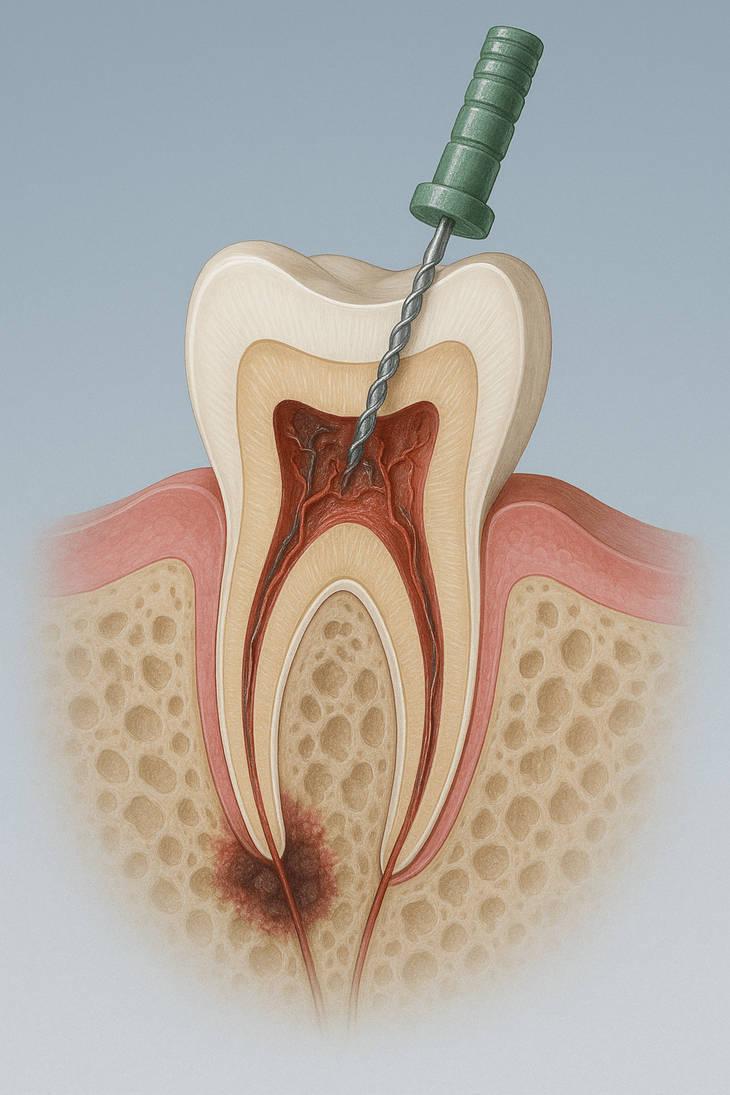
A natural tooth plays an important role in chewing, speaking, and maintaining the alignment of your smile. When infection or severe decay reaches the inner pulp of a tooth, Root Canal Treatment in Islamabad can help remove the infection while preserving the natural tooth structure. Rather than extracting the affected tooth, root canal treatment cleans and seals the inside of the tooth, allowing it to continue functioning.
What Is Root Canal Treatment?
Root canal treatment, also known as endodontic treatment, is performed when the pulp inside a tooth becomes inflamed or infected. Deep tooth decay, cracks, repeated dental procedures, or trauma can damage the pulp and allow bacteria to enter.
During treatment, the dentist removes the infected pulp, cleans and disinfects the root canals, and then fills and seals them. A filling or crown may subsequently be used to restore and protect the tooth.
Why Save Your Natural Tooth?
Whenever possible, preserving a natural tooth has several advantages. A successfully treated tooth can continue to provide normal chewing function and help maintain the natural arrangement of surrounding teeth.
Extraction creates a gap that may require replacement with an implant, bridge, or another dental restoration. Keeping the original tooth can therefore avoid some of the additional procedures associated with replacing a missing tooth.
Recognizing Signs That You May Need Treatment
Not every toothache requires a root canal, but certain symptoms should be evaluated by a dentist. These may include:
- Persistent or severe tooth pain
- Pain when biting or chewing
- Prolonged sensitivity to hot or cold
- Swelling around the tooth or gums
- A chipped or cracked tooth
- A pimple or drainage point on the gums
An untreated infection can spread beyond the tooth and may eventually result in an abscess or tooth loss. Early dental assessment can help determine whether the tooth can be saved.
How to Protect Your Tooth After Root Canal Treatment
Root canal treatment removes infection, but the treated tooth still needs proper care. Follow your dentist's instructions and attend recommended follow-up appointments.
If a temporary filling has been placed, be careful while chewing until the permanent restoration is completed. Depending on the condition and location of the tooth, a crown or another protective restoration may be recommended to reduce the risk of fracture.
Maintaining good oral hygiene is equally important. Brush your teeth twice daily with fluoride toothpaste, clean between your teeth regularly, and attend routine dental examinations. These habits help protect the treated tooth as well as the surrounding teeth and gums.
Avoid Habits That Can Damage the Tooth
After treatment, avoid using your tooth to bite very hard objects or foods, particularly before the final restoration has been placed. A root-treated tooth can be more vulnerable to fracture when it has already lost substantial tooth structure.
You should also address new pain, swelling, sensitivity, or problems with the restoration rather than ignoring them. Prompt evaluation may help identify a problem before it becomes more serious.
Root Canal Treatment and Long-Term Oral Health
A root canal does not mean that you can stop caring for the tooth. The treated tooth remains part of your mouth and should be brushed, flossed, and professionally checked just like your other teeth.
With appropriate treatment, restoration, and regular dental care, many root-treated teeth can remain functional for many years, and some can last a lifetime.
Frequently Asked Questions
Is root canal treatment painful?
Modern root canal treatment is performed with local anesthesia, so patients generally should not experience significant pain during the procedure. Some soreness or sensitivity can occur afterward and usually improves as the area heals.
Can a natural tooth survive after a root canal?
Yes. Once the infected pulp is removed, the tooth can continue functioning because a fully developed tooth does not require the pulp to remain alive to perform its normal function.
Is a crown always needed after root canal treatment?
Not always. The need for a crown or another restoration depends on factors such as the tooth's location, remaining structure, and risk of fracture. Your dentist can recommend the appropriate restoration after examining the tooth.
What should I avoid after root canal treatment?
Follow your dentist's instructions and avoid chewing hard foods on the treated tooth until the permanent restoration is completed. This can help reduce the risk of damaging the tooth.
Can a root canal prevent tooth extraction?
In suitable cases, yes. Root canal treatment is specifically designed to remove infection while preserving the natural tooth, potentially avoiding extraction and the need to replace the missing tooth.
Final Thoughts
Protecting a natural tooth is often preferable when it can be safely and predictably restored. Root canal treatment can eliminate infection, preserve tooth structure, and allow the tooth to continue contributing to normal chewing and your smile. Good oral hygiene, timely dental visits, appropriate restoration, and regular follow-ups are essential for maintaining the result. If you experience persistent pain, swelling, or sensitivity, consult a qualified dentist for an examination and personalized treatment recommendation.

 English
 Arabic
 French
 Portuguese
 Deutsch
 Turkish
 Dutch
Dutch
 Italiano
 Russian
 Romaian
 Portuguese (Brazil)
 Greek
Greek
