
Skin Whitening in Islamabad for Luminous Skin
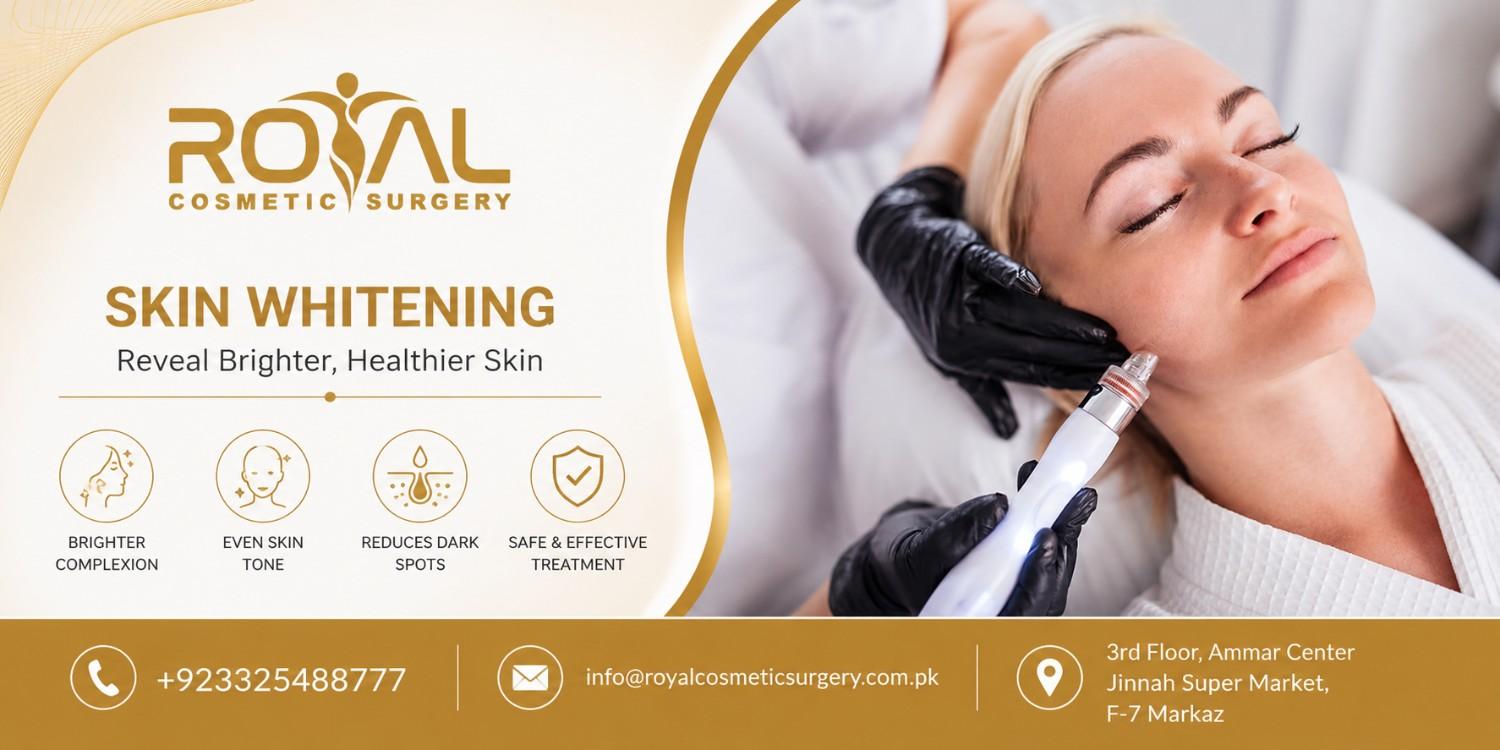
Changes in skin tone and pigmentation are common concerns for people of different ages. Sun exposure, hormonal changes, acne, aging, and certain skin conditions can lead to Uneven Skin Tone, dark patches, or a dull complexion. For individuals looking to improve these concerns, skin whitening in Islamabad may involve a range of medical and aesthetic treatments designed to brighten the appearance of the skin and reduce visible pigmentation.
Modern skin treatments generally focus on improving skin health, reducing excess pigmentation, and creating a more even complexion rather than changing a person's natural skin color. The most appropriate approach depends on the underlying cause of discoloration, skin type, and treatment goals.
What Is Skin Whitening?
Skin whitening is a broad term commonly used for treatments intended to reduce pigmentation and improve overall skin brightness. In clinical settings, treatment may focus on conditions such as Hyperpigmentation, sun damage, melasma, acne marks, and uneven skin tone.
The skin produces melanin, the pigment responsible for its natural color. When the body produces excess melanin in certain areas, it can lead to darker patches or skin discoloration.
A professional assessment helps determine whether pigmentation results from sun exposure, inflammation, hormonal changes, or another underlying condition.
Common Skin Concerns Treated
People seeking skin whitening treatment in Islamabad may have one or several pigmentation-related concerns.
Uneven Skin Tone
An Uneven Complexion can develop when some areas of the skin become darker than others. Sun exposure and previous inflammation are common contributing factors.
Dark Spots and Age Spots
Dark Spots and Age Spots may appear after prolonged sun exposure or as part of the natural aging process.
Melasma
Melasma causes brown or grayish patches, commonly on the cheeks, forehead, nose, and upper lip. Hormonal changes and ultraviolet exposure can contribute to this condition.
Acne Marks
Inflammation from acne can leave behind darker areas known as Post-Acne Pigmentation. These marks may gradually fade, but professional pigmentation treatments can sometimes accelerate improvement.
Sun Tan and Sun Damage
Repeated exposure to ultraviolet radiation can cause a Sun Tan, uneven pigmentation, and premature skin aging. Sun protection remains an important part of any pigmentation treatment plan.
Skin Whitening Treatment Options
There is no single treatment that works for every pigmentation concern. A dermatologist or qualified aesthetic professional may recommend one or a combination of treatments depending on the patient's skin condition.
Laser Skin Whitening
Laser Skin Whitening and Laser Skin Brightening treatments use controlled laser energy to target pigmentation and improve the appearance of uneven skin tone.
Different laser technologies work at different wavelengths and depths. The appropriate device depends on the pigmentation type and skin characteristics.
Laser treatment may help reduce:
-
Dark spots
-
Sun-related pigmentation
-
Uneven complexion
-
Certain forms of hyperpigmentation
Multiple sessions may be required, and results can vary between individuals.
Laser Skin Whitening Treatment
Laser skin whitening treatment should begin with an assessment of the skin. The practitioner determines whether laser therapy is appropriate and selects settings according to the patient's skin type and pigmentation.
Using excessive laser energy can irritate the skin and potentially worsen pigmentation, particularly in individuals prone to post-inflammatory hyperpigmentation. Therefore, professional treatment and appropriate settings are essential.
Chemical Peels
Chemical Peels use carefully selected acids to remove damaged surface skin and encourage the development of newer skin cells.
Depending on the formulation and concentration, a peel may improve:
-
Dull Skin
-
Uneven skin tone
-
Acne marks
-
Fine pigmentation
-
Uneven skin texture
Medical-Grade Peels should be performed by appropriately trained professionals because stronger formulations require careful patient selection and application.
Glutathione Injections and IV Drips
Glutathione Injections and Glutathione IV Drips are often marketed for skin brightening because glutathione has antioxidant properties.
However, the evidence supporting injectable glutathione specifically for cosmetic skin lightening remains limited, and injectable treatments can carry risks. The safety and appropriateness of these treatments should therefore be discussed with a qualified healthcare professional rather than relying on unregulated cosmetic claims.
The same principle applies to Skin Whitening Injections generally. Patients should understand the ingredients, expected benefits, possible adverse effects, and regulatory status before undergoing treatment.
Vitamin C and Antioxidant Treatments
Vitamin C plays an important role in skin health and acts as an antioxidant. Topical vitamin C products may help support brighter-looking skin and reduce the appearance of some pigmentation over time.
Some clinics may also offer antioxidant treatments as part of a broader skin rejuvenation plan. The treatment should be selected according to the patient's specific skin concerns rather than used simply because it is marketed as a whitening product.
HydraFacial and Skin Rejuvenation
A HydraFacial combines cleansing, exfoliation, extraction, and hydration. It may help improve dullness and surface skin texture, although it does not replace targeted medical treatment for significant pigmentation.
Skin Rejuvenation treatments can be useful for people whose main concern involves dull skin, dehydration, rough texture, or mild unevenness.
Microneedling
Microneedling creates controlled microscopic channels in the skin to stimulate the body's natural healing response. It is commonly used to improve skin texture and certain types of pigmentation or acne-related changes.
When used for pigmentation concerns, treatment must be carefully selected because unnecessary skin inflammation can sometimes worsen pigmentation.
Full Body Skin Whitening Treatment
Some individuals search for full body skin whitening treatment or full skin whitening treatment when they want to address uneven pigmentation across multiple areas.
A full-body approach should focus on identifying the causes of discoloration rather than attempting to dramatically alter the body's natural skin tone. Areas such as the hands, arms, neck, and legs may have different pigmentation patterns and may require different treatment strategies.
A qualified professional can determine whether treating multiple areas is appropriate and which methods are safest for each region.
Benefits of Skin Brightening Treatments
When appropriately selected, pigmentation and skin rejuvenation treatments may provide benefits such as:
-
Brighter-looking skin
-
More even skin tone
-
Reduced appearance of dark spots
-
Reduced pigmentation
-
Improved skin texture
-
Healthier-looking skin
-
A clearer complexion
-
More radiant-looking skin
The goal should be healthy, balanced skin rather than an unrealistic change in natural complexion.
Skin Whitening Before and After Results
People often search for before-and-after photographs when considering skin treatments. Results depend heavily on the underlying cause of pigmentation, skin type, treatment method, and consistency with aftercare.
Some individuals may notice improvement after a few sessions, while stubborn conditions such as melasma may require longer-term management.
Pigmentation can also return if the factors causing it remain present, particularly without adequate sun protection.
Importance of Sun Protection
Sun protection is one of the most important parts of pigmentation management. Ultraviolet exposure can stimulate melanin production and make existing pigmentation darker.
Patients undergoing pigmentation treatment may be advised to:
-
Use broad-spectrum sunscreen
-
Reapply sunscreen as recommended
-
Limit prolonged direct sun exposure
-
Wear protective clothing when appropriate
-
Avoid unnecessary tanning
Without adequate sun protection, even an effective pigmentation treatment may provide only temporary improvement.
Is Skin Whitening Safe?
The safety of skin whitening depends on the treatment, product, dosage, skin type, and qualifications of the provider.
Patients should be cautious about unregulated whitening creams, injections, or treatments that promise dramatic and permanent changes. Some products may contain inappropriate ingredients or concentrations that can damage the skin.
A professional assessment is particularly important for people with melasma, persistent pigmentation, sensitive skin, or a history of reactions to cosmetic products.
Choosing a Skin Whitening Treatment
There is no universal best treatment for skin whitening. The most suitable approach depends on the reason behind the pigmentation.
A professional may recommend:
-
Laser treatment for selected pigmentation
-
Chemical peels for certain surface concerns
-
Topical brightening products
-
Microneedling for appropriate patients
-
Skin boosters or hydration-focused treatments
-
A combination of treatments
For example, someone with sun-related pigmentation may require a different approach from someone with post-acne pigmentation or melasma.
Maintaining Long-Term Results
Maintaining an even complexion requires more than a single treatment session. A consistent skincare routine can help preserve results.
Patients may benefit from:
-
Regular sunscreen use
-
Gentle cleansing
-
Adequate moisturization
-
Appropriate brightening serums
-
Avoiding unnecessary skin irritation
-
Following professional aftercare instructions
Treatments such as Royal Cosmetic Surgery may be discussed during a consultation, but the appropriate option should always depend on an individual's skin condition and medical assessment.
Conclusion
Skin whitening in Islamabad encompasses a variety of treatments designed to improve pigmentation, uneven skin tone, dullness, and overall skin appearance. Options may include laser skin brightening, chemical peels, microneedling, HydraFacial, topical treatments, and selected injectable therapies.
Rather than focusing solely on changing natural skin color, effective treatment should address the underlying cause of pigmentation and promote healthier-looking, more even skin. Professional assessment, realistic expectations, appropriate treatment selection, and consistent sun protection are essential for achieving and maintaining satisfactory results.

 English
 Arabic
 French
 Spanish
 Portuguese
 Deutsch
 Turkish
 Dutch
Dutch
 Russian
 Romaian
 Portuguese (Brazil)
 Greek
Greek
