
Speech Therapy Tools for Kids: Essential Resources for Better Communication
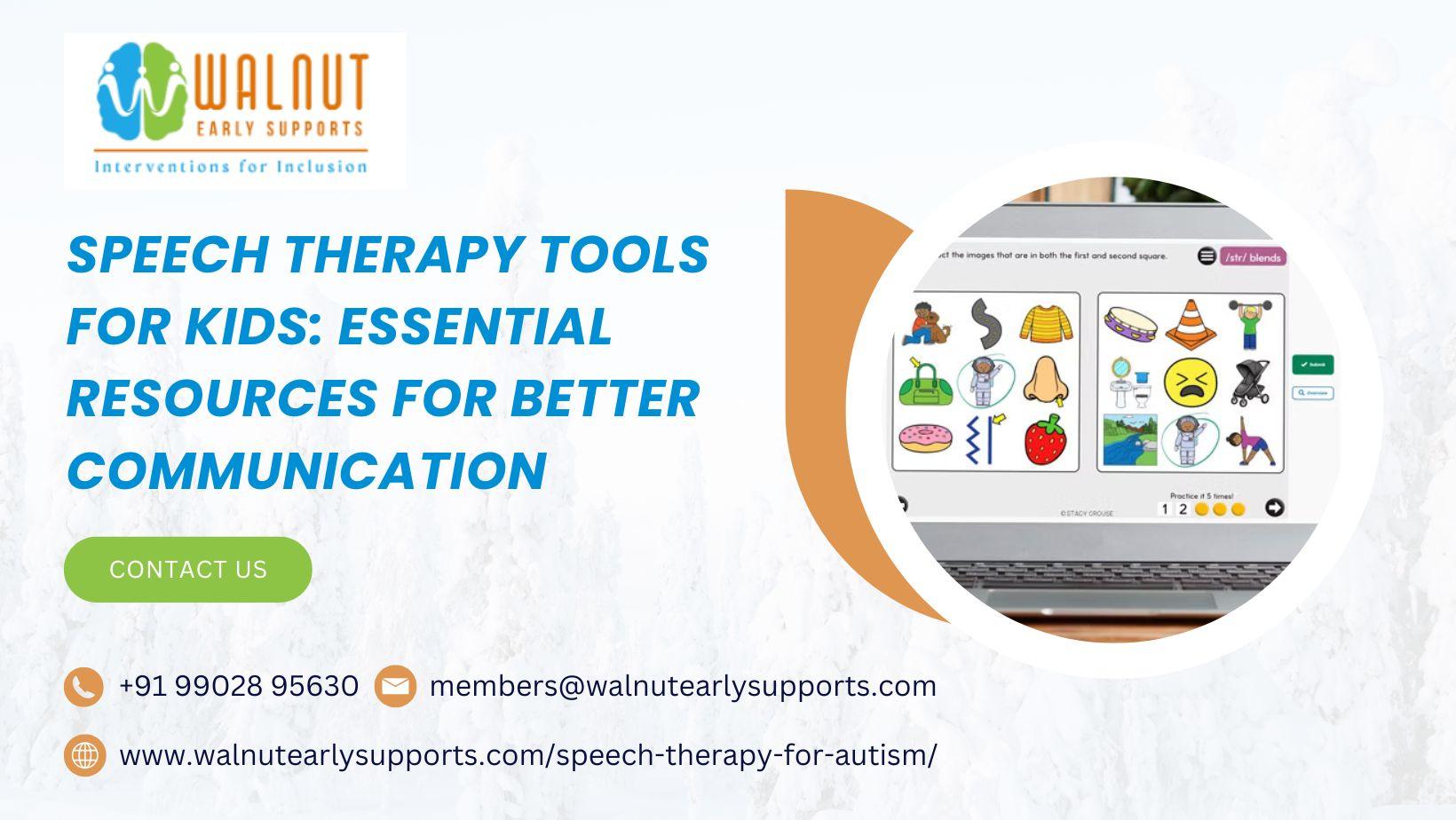
Communication is an important part of a child's development. Children use language to express their needs, share ideas, ask questions, understand others, and build relationships. When a child needs additional support with communication, the right resources can make practice more engaging and easier to include in everyday routines.
Speech Therapy Tools can give parents, educators, and speech-language professionals practical ways to support children's communication skills. Depending on a child's needs, these tools may help with vocabulary, sentence formation, speech sounds, listening, comprehension, storytelling, and social communication.
The most useful resources are those that match a child's developmental level and provide opportunities for active participation rather than passive learning.
What Are Speech Therapy Tools?
Speech therapy tools are resources or materials used to support specific communication and language goals. They can include picture cards, story materials, interactive games, articulation activities, worksheets, visual supports, and digital resources.
A therapist may select different tools depending on whether a child needs support with speech production, vocabulary, understanding language, sentence development, or communication in social situations.
Tools should not be viewed as a replacement for professional guidance. Instead, they can support structured therapy and provide additional opportunities for practice at home or in educational settings.
1. Picture Cards for Vocabulary
Picture cards are simple but useful resources for introducing and practicing vocabulary. Children can name objects, identify actions, describe pictures, or answer questions about what they see.
For younger children, a picture of a ball can be used to practice the word “ball.” For older children, the same picture can encourage a sentence such as, “The boy is playing with a red ball.”
This makes picture-based resources flexible for different communication levels.
2. Articulation and Speech Sound Materials
Some children have difficulty producing specific speech sounds clearly. Structured articulation materials can provide opportunities to practice target sounds in words, phrases, and sentences.
A speech-language professional can identify which sounds need support and recommend appropriate practice. Repeated practice should be comfortable and encouraging rather than stressful.
3. Interactive Therapy Games
Children often participate more willingly when learning feels like play. Interactive games can introduce communication goals through matching, identifying, sorting, storytelling, and problem-solving.
These Speech Therapy Tools for Kids can help maintain attention while providing repeated opportunities to practice specific skills.
Games can also be adapted to target different goals. For example, a vocabulary game can focus on naming objects, while another activity can encourage children to create sentences or describe pictures.
4. Visual Supports
Visual supports can help children understand routines, instructions, choices, and expectations. Pictures, symbols, charts, and visual schedules can make information easier to understand.
For example, a visual sequence showing “wash hands → eat → clean up” can help a child understand the order of a routine.
Visual tools can be especially useful when children have difficulty processing spoken instructions alone.
5. Storytelling Resources
Storytelling materials can support vocabulary, sentence structure, comprehension, sequencing, and conversational skills.
A child can look at a series of pictures and explain what happens first, next, and last. Parents can ask questions about the characters and encourage the child to describe their feelings or actions.
Stories also provide opportunities to introduce new words in a meaningful context.
6. Digital Speech Therapy Resources
Digital resources can make practice more interactive by combining pictures, sounds, animations, and activities. They can be particularly useful when children enjoy technology and respond well to interactive learning.
However, digital resources work best when combined with real communication. Parents can talk about the activity, ask follow-up questions, and encourage children to use new words away from the screen.
The purpose should be to support communication, not simply increase screen time.
7. Everyday Objects as Therapy Resources
Effective speech therapy activities for kids do not always require specialized materials. Everyday objects such as cups, toys, clothes, books, and kitchen items can become useful communication resources.
Parents can ask children to name objects, describe their features, follow directions, sort items, or explain what something is used for.
Using familiar objects helps children connect words with real experiences.
8. Choosing the Right Tools
The right resource depends on the child's age, communication abilities, interests, and specific goals. A tool that works well for one child may not be appropriate for another.
Parents and educators should consider whether the activity is easy to understand, engaging, age-appropriate, and connected to a meaningful communication goal.
Child development therapy resources can provide structured ideas, but professional guidance is valuable when a child has ongoing speech or language difficulties.
A qualified speech-language professional can assess the child's needs and recommend suitable strategies and materials.
Make Practice Part of Everyday Life
The value of Speech Therapy Tools comes from how they are used. A picture card can become a conversation. A story can become a discussion. A game can lead to pretend play. A visual schedule can help a child participate more independently in a daily routine.
Parents can also include simple speech therapy activities during meals, playtime, reading, and daily routines. Short and regular practice can be easier for children than long sessions that feel demanding.
For families and professionals looking for structured resources, Walnut Early Supports provides materials designed to support children's communication, learning, and developmental needs.
Supporting Better Communication Through the Right Resources
Speech Therapy Tools can provide valuable support for children who are developing speech, language, literacy, and communication skills. The most effective approach combines appropriate resources with meaningful interaction, patience, repetition, and encouragement.
Whether the activity involves pictures, games, stories, visual supports, or everyday objects, the goal remains the same: to give children more opportunities to understand language, express themselves, and communicate confidently in everyday situations.

 English
 Arabic
 French
 Spanish
 Portuguese
 Deutsch
 Turkish
 Italiano
 Russian
 Romaian
 Portuguese (Brazil)
 Greek
Greek
