
Root Canal Treatment: Key Facts to Understand
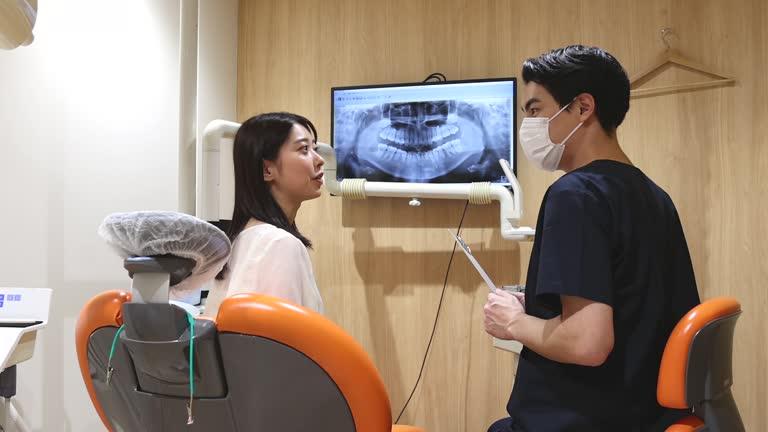
Root Canal Treatment in Dubai can help manage a tooth affected by deep decay, infection, cracks, or trauma. Knowing the basic facts about this procedure can help patients understand when treatment may be needed and how it can help preserve a natural tooth.
What Is Root Canal Treatment?
Root canal treatment removes infected or damaged pulp from inside a tooth. The root canals are then cleaned, shaped, filled, and sealed to help prevent further bacterial contamination.
The treatment is generally considered when the natural tooth can still be restored.
Why Does the Pulp Become Damaged?
The dental pulp can become affected when bacteria enter through deep decay or cracks. Dental trauma and repeated procedures can also contribute to pulp damage.
When the pulp becomes infected or severely inflamed, symptoms such as pain and sensitivity may develop.
Dental Clinic Assessment Is Important
A qualified Dental Clinic can assess the affected tooth and determine the cause of symptoms.
The dentist may perform a clinical examination and use dental X-rays to evaluate the tooth, roots, and surrounding tissues before recommending treatment.
What Are the Main Symptoms?
Common signs may include persistent toothache, sensitivity to hot or cold, pain while chewing, gum swelling, tenderness, or an abscess near the affected tooth.
Symptoms can vary, and some infected teeth may not cause severe pain.
Can Tooth Pain Go Away on Its Own?
Pain may sometimes decrease temporarily even when the underlying problem remains.
A reduction in symptoms does not necessarily mean that the infection has disappeared. Professional assessment is important when dental pain continues or returns.
How Is Root Canal Treatment Performed?
The dentist begins by numbing the affected area with local anesthesia.
An opening is created in the tooth, and the infected or damaged pulp is removed. The canals are cleaned and shaped before being filled and sealed.
Is the Procedure Painful?
Local anesthesia helps make the procedure more comfortable.
Some pressure may be felt during treatment, and mild tenderness can occur afterward. Patients should tell the dentist if they experience significant discomfort.
How Long Does Treatment Take?
The duration varies depending on the tooth and complexity of the case.
Factors such as the number of canals, infection severity, tooth position, and need for additional treatment can influence the appointment length.
Does Every Tooth Need a Crown After Treatment?
Not necessarily. The type of restoration depends on the amount of remaining tooth structure and the location of the tooth.
A dentist may recommend a crown when additional protection is needed to reduce the risk of fracture.
Can Root Canal Treatment Save a Tooth?
One of the main goals is to preserve a natural tooth that remains suitable for restoration.
Keeping the natural tooth can help maintain chewing function and support the surrounding teeth.
What Happens After Treatment?
Temporary sensitivity or tenderness may occur during the early recovery period.
Patients should follow the dentist's instructions and protect the tooth, particularly if a temporary filling has been placed.
How Can You Protect the Treated Tooth?
Maintaining good oral hygiene is essential. Regular brushing, flossing, and professional dental examinations can help protect the treated tooth and other teeth.
A permanent restoration can also provide important protection when recommended.
What If Treatment Is Delayed?
An untreated infection can worsen and may lead to swelling, abscess formation, or damage to tissues surrounding the tooth.
Seeking treatment promptly can help reduce the risk of complications.
Can Root Canal Treatment Be Repeated?
In some situations, a previously treated tooth may develop another problem and require additional evaluation.
The dentist will determine the cause and assess whether retreatment or another option is appropriate.
When Should You Seek Dental Care?
Persistent tooth pain, swelling, sensitivity, pain during chewing, or signs of infection should be evaluated by a dental professional.
Early assessment can help identify the problem before it becomes more complex.
Is Root Canal Treatment a Replacement for Good Oral Hygiene?
No. Treatment addresses an existing problem, but daily oral care remains important afterward.
Brushing, flossing, routine dental visits, and appropriate dietary habits can help reduce the risk of future dental problems.
Final Thoughts
Root canal treatment can help control infection and preserve a natural tooth when the pulp has been damaged or infected. Understanding the symptoms, diagnosis, procedure, restoration, and aftercare can help patients approach treatment with greater confidence.
If you have ongoing tooth pain or other warning signs, consult a qualified dental professional to determine whether Root Canal Treatment is right for your dental condition.

 English
 Arabic
 French
 Spanish
 Portuguese
 Deutsch
 Turkish
 Dutch
Dutch
 Russian
 Romaian
 Portuguese (Brazil)
 Greek
Greek
