
Rhinoplasty in Pakistan: A Patient-Friendly Guide to the Surgical Process
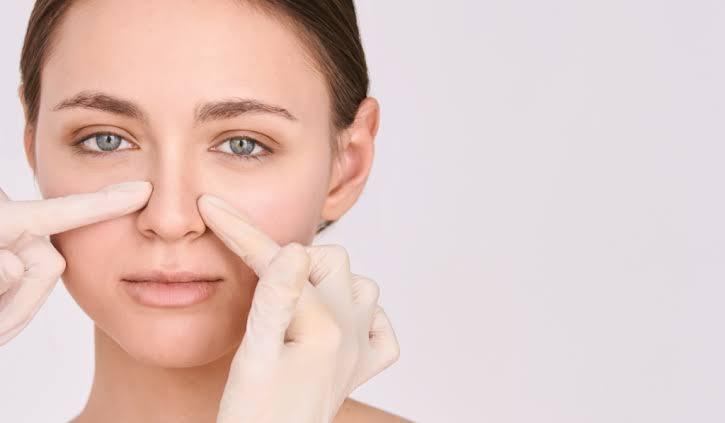
Rhinoplasty is a surgical procedure designed to reshape the nose and improve its appearance, function, or both. People may consider it to address concerns such as a nasal hump, uneven nose, wide nostrils, an asymmetrical tip, or breathing difficulties. For patients considering Rhinoplasty in Pakistan, understanding the surgical process can make the experience less stressful and help set realistic expectations.
What Happens Before Rhinoplasty?
The process usually begins with a detailed consultation. During this appointment, the surgeon evaluates the structure of the nose, facial proportions, skin characteristics, and, when relevant, nasal breathing.
Patients should clearly explain what they would like to improve. Photographs may be taken to assess the nose from different angles and help develop an appropriate surgical plan. If breathing problems are present, the internal structure of the nose may also be evaluated.
It is important to discuss existing medical conditions, previous nasal surgery, allergies, medications, and any previous injuries. Patients may also receive instructions about medications or supplements that could increase bleeding.
Preparing for the Surgical Procedure
Good preparation can make the surgical experience smoother. Your surgeon may provide specific instructions regarding eating, drinking, medications, smoking, and arranging transportation after surgery.
Patients should also plan for the recovery period. Having someone available to assist during the first day or night can be helpful, particularly while the effects of anesthesia are wearing off.
How Is Rhinoplasty Performed?
Rhinoplasty is generally performed under anesthesia. The exact technique depends on the patient's nasal anatomy and the desired changes.
There are two commonly discussed surgical approaches: closed rhinoplasty and open rhinoplasty. In closed rhinoplasty, incisions are made inside the nostrils. In open rhinoplasty, an additional small incision is made across the columella, the tissue between the nostrils. The surgeon then reshapes the underlying bone and cartilage according to the treatment plan.
Depending on the case, surgery may involve reducing a nasal hump, adjusting the nasal bones, refining the tip, narrowing the nostrils, or improving structural support. Some patients may require cartilage grafts to help reshape or support the nose.
When breathing problems are related to the nasal septum, rhinoplasty may sometimes be combined with septoplasty to address both appearance and nasal function.
What Happens Immediately After Surgery?
After the procedure, the nose is usually protected with a splint or dressing. Some patients may also have internal splints or packing depending on the type of surgery performed.
Swelling, bruising, congestion, tenderness, and temporary difficulty breathing through the nose are common during the early recovery period. The external splint is commonly removed around one week after surgery, although the exact timing varies.
Patients should follow their surgeon's instructions carefully and avoid putting pressure on the nose while it heals.
Understanding the Rhinoplasty Recovery Period
The first week is usually when swelling and bruising are most noticeable. Many patients take around one to two weeks away from work, depending on their job and individual recovery.
Strenuous exercise, heavy lifting, bending, and contact sports should generally be avoided until the surgeon confirms that they are safe. Sleeping with the head elevated may also help reduce swelling during the early recovery period.
Although the initial appearance improves relatively quickly, the nose continues to change as swelling gradually decreases. Full refinement can take several months and, in some cases, up to a year.
Possible Risks and Complications
Like any surgical procedure, rhinoplasty has potential risks. These may include bleeding, infection, changes in sensation, scarring, breathing difficulties, dissatisfaction with the appearance, and the possibility of revision surgery.
A thorough consultation is important because individual risks depend on the patient's anatomy, medical history, surgical technique, and healing response.
FAQs About Rhinoplasty in Pakistan
Is rhinoplasty only performed for cosmetic reasons?
No. Rhinoplasty can address cosmetic concerns as well as certain structural or functional nasal problems. In some cases, it may be combined with septoplasty to improve nasal airflow.
How long does rhinoplasty surgery take?
The duration varies according to the complexity of the procedure. Some rhinoplasty operations take around one to three hours, while more complicated cases may require additional time.
When can I return to work after rhinoplasty?
Many patients can return to work after approximately one to two weeks, depending on their recovery and the nature of their job. Your surgeon should provide individualized advice.
When will I see the final results?
Initial changes can be noticeable after swelling begins to decrease, but the final nasal contour may take several months to become clear. In some patients, refinement can continue for up to a year.
Is rhinoplasty safe?
Rhinoplasty is a commonly performed procedure, but it still carries surgical and anesthesia-related risks. Discussing your medical history, expectations, potential complications, and aftercare with a qualified surgeon is essential before making a decision.
Final Thoughts
Understanding each stage of rhinoplasty—from consultation and preparation to surgery and recovery—can help patients approach the procedure with realistic expectations. Results depend on individual anatomy, surgical planning, healing, and following postoperative instructions. Anyone considering rhinoplasty should have a detailed consultation with a qualified medical professional to determine whether the procedure is appropriate for their goals and needs.

 English
 Arabic
 French
 Spanish
 Deutsch
 Turkish
 Dutch
Dutch
 Italiano
 Russian
 Romaian
 Portuguese (Brazil)
 Greek
Greek
