
Hair Transplant in Islamabad: How to Prepare for Your Hair Restoration Journey
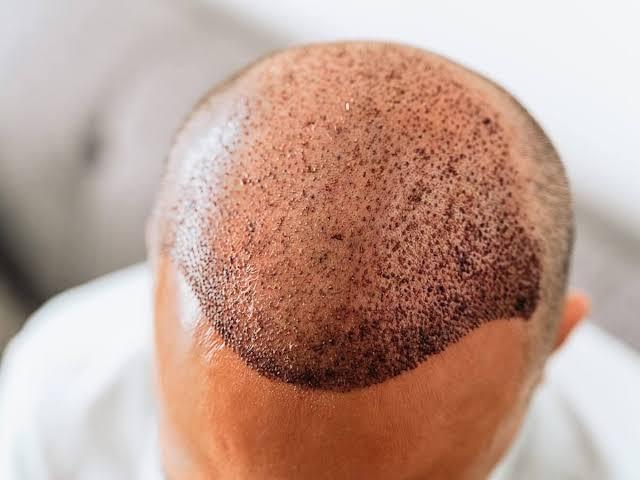
Hair Transplant in Islamabad, can affect confidence, appearance, and everyday comfort. For people considering hair restoration, proper preparation is an important part of the journey. A hair transplant is a surgical procedure that requires careful assessment, realistic expectations, and appropriate pre-treatment planning. According to the International Society of Hair Restoration Surgery (ISHRS), patients should discuss their medical history, hair-loss pattern, treatment goals, and suitable options with a qualified physician before surgery.
Start With a Professional Consultation
The first step toward Hair Transplant in Islamabad should be a detailed consultation. During this appointment, your hair-loss pattern, donor area, scalp condition, medical history, and expectations can be assessed.
Your physician may also determine whether your hair loss is suitable for transplantation or whether another treatment should be considered first. Understanding the cause and pattern of hair loss helps create a more appropriate treatment plan.
Understand Your Hair Transplant Options
Patients may hear about techniques such as Follicular Unit Extraction (FUE) and Follicular Unit Transplantation (FUT). Your physician can explain which approach may be appropriate based on your donor hair, degree of hair loss, scalp characteristics, and desired outcome.
It is also important to understand that hair transplantation involves incisions and therefore can leave scars. Be cautious of advertisements promising completely “scarless” surgery.
Set Realistic Expectations
A hair transplant can improve areas affected by hair loss, but expectations should remain realistic. The final appearance depends on factors such as the available donor hair, degree and pattern of hair loss, age, and individual healing.
Ask your physician how many grafts may be needed, which areas will be treated, whether more than one session could be necessary, and what type of improvement is realistic. Clear communication before surgery can help you understand the expected timeline and outcome.
Review Your Medications and Supplements
Before surgery, tell your physician about all prescription medicines, over-the-counter medications, vitamins, and herbal supplements you use. Some products can influence bleeding or interact with medications used during treatment.
Do not stop prescribed medication on your own. Your physician should decide whether any medicine or supplement needs to be adjusted or temporarily discontinued before the procedure.
Avoid Smoking and Alcohol as Advised
Smoking and alcohol consumption can affect the course of surgery and may contribute to bleeding or other surgical concerns. Your physician may recommend avoiding them for a specific period before and after the procedure based on your individual circumstances.
Following these instructions carefully can make your preparation more organized and help reduce avoidable risks.
Prepare for the Day of Surgery
Your clinic will provide specific instructions for the day of your procedure. In general, patients may be advised to arrive with a clean scalp and avoid applying styling products such as gels or sprays.
Comfortable clothing is also useful. A button-up or loose shirt can be easier to wear after the procedure because it does not need to be pulled over the head. Some preoperative instructions also recommend having a light meal beforehand, unless your physician gives different instructions.
If sedation is planned, arrange transportation according to your clinic's instructions rather than driving yourself.
Plan Your Recovery in Advance
Preparing your home and schedule before treatment can make recovery more comfortable. Try to arrange a few quiet days without unnecessary physical exertion or demanding activities.
Ask your physician when you can return to work, exercise, sports, swimming, and normal hair-washing routines. You should also understand how to sleep, clean the scalp, and protect the transplanted area during the early recovery period.
Some patients experience temporary swelling, tightness, crusting, or shedding after transplantation. These changes can be part of the healing process, but your physician should explain what to expect and when to seek advice.
Choose Your Hair Restoration Provider Carefully
The qualifications and experience of the medical professional performing your procedure matter. ISHRS recommends ensuring that a properly trained and licensed physician is responsible for important aspects of hair restoration surgery, including evaluation, planning, surgery, and postoperative care.
Before booking, ask who will evaluate your hair loss, who will design your treatment, who will perform the surgical steps, and what training and experience they have.
FAQs
How long should I prepare before a hair transplant?
Preparation varies from patient to patient. Your physician will provide personalized instructions regarding medications, supplements, smoking, alcohol, hair care, and other factors before surgery.
Should I stop taking my regular medicines before a hair transplant?
Not without medical advice. Tell your physician about every medication and supplement you take so they can determine whether any changes are necessary.
Can I go back to work immediately after a hair transplant?
Recovery differs depending on the procedure and your individual healing. Ask your physician when it is appropriate to return to work and regular activities.
What should I ask during my hair transplant consultation?
Ask about your diagnosis, suitable transplant technique, expected graft requirements, potential risks, recovery, realistic results, and who will perform the surgical steps.
Is hair transplant surgery completely scarless?
No. Hair transplantation involves making incisions, and both FUE and FUT can produce scars. The appearance of scarring varies depending on the technique and individual healing.
Final Thoughts
Preparing properly can make your hair restoration journey more informed and comfortable. From choosing a qualified physician and understanding your treatment plan to reviewing medications and arranging recovery time, every step matters. If you are considering Hair Transplant in Islamabad, discuss your goals and concerns with a qualified hair restoration professional and follow their personalized pre- and post-operative instructions carefully.

 Arabic
 French
 Spanish
 Portuguese
 Deutsch
 Turkish
 Dutch
Dutch
 Italiano
 Russian
 Romaian
 Portuguese (Brazil)
 Greek
Greek
