
Body Contouring Treatment in Islamabad: How Treatment Boundaries Are Determined
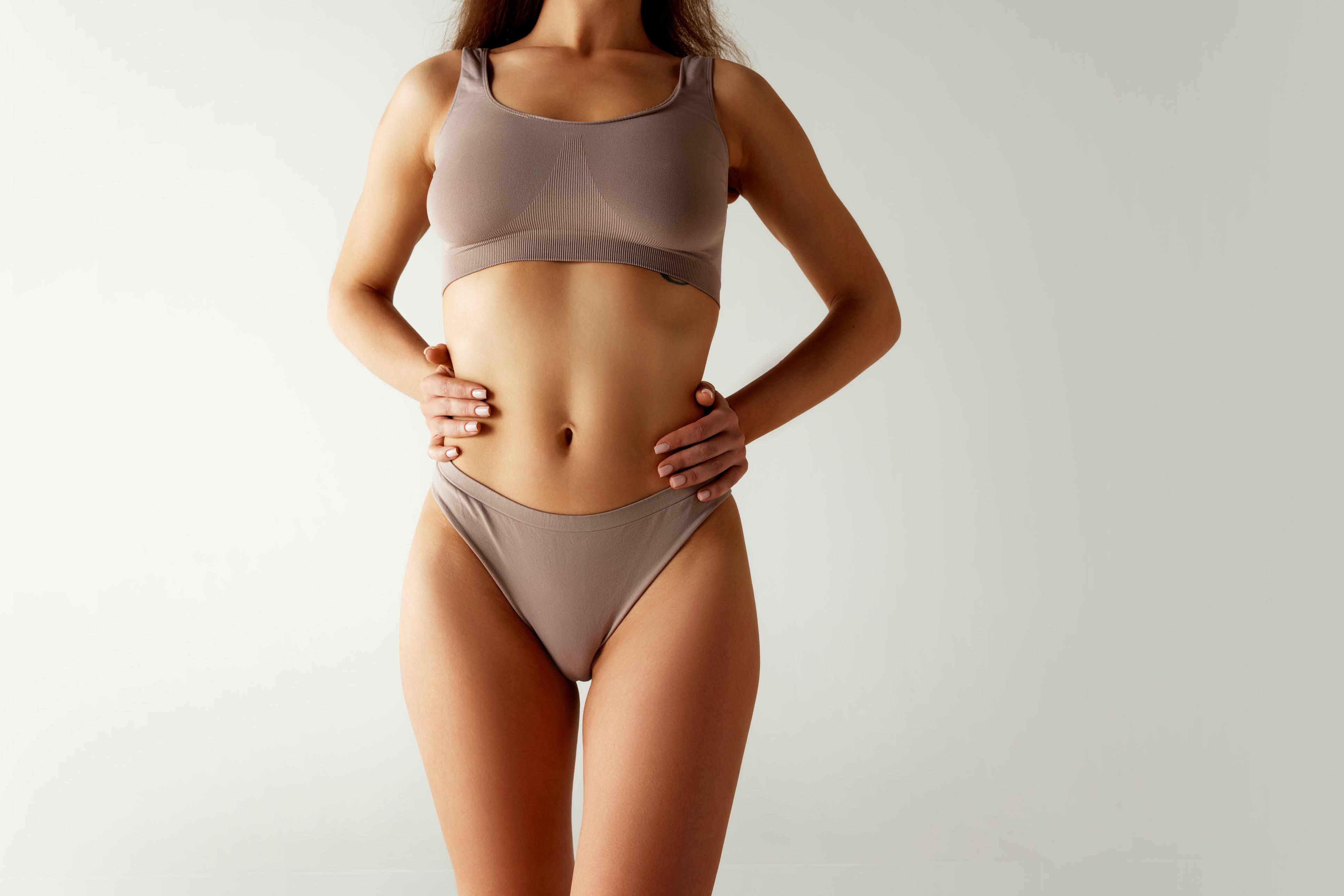
Body contouring is not simply about treating the area where a patient notices a bulge. The surrounding anatomy, natural body curves, skin quality, fat distribution, and the transition between different body regions can all influence where treatment begins and ends. For individuals considering Body Contouring Treatment in Islamabad, understanding how treatment boundaries are determined can make the consultation process clearer and help establish realistic expectations.
What Are Treatment Boundaries in Body Contouring?
Treatment boundaries refer to the areas selected for contouring and the points where the procedure should stop to preserve a natural transition.
For example, when addressing the abdomen, a practitioner may also evaluate the waist and flanks rather than considering the stomach as an isolated region. Similarly, contouring the thighs may require attention to how the treated area connects with the hips or knees.
The purpose is not necessarily to treat the largest possible surface area. Instead, doctors generally aim to address the specific areas contributing to an uneven contour while maintaining proportion with untreated regions.
Why Boundaries Matter
Poorly defined treatment boundaries can potentially create visible differences between treated and untreated tissue. A sudden change in contour may appear unnatural, particularly when the body moves.
Careful planning allows the practitioner to create gradual transitions rather than abrupt changes. This is especially important when fat distribution or skin thickness varies across neighboring areas.
A personalized approach can also help prevent unnecessary treatment of areas that do not require significant correction.
How Doctors Determine the Treatment Area
During consultation, the doctor evaluates the body from different angles and positions. The assessment may include standing, sitting, bending, and natural movement.
Several factors can influence the selected boundaries:
- Location of excess fat
- Skin laxity
- Skin elasticity
- Tissue thickness
- Natural body curves
- Symmetry between both sides
- Existing scars
- Previous procedures
- Patient's aesthetic goals
- Relationship between neighboring body areas
These observations help the practitioner determine which areas need attention and where treatment should transition into untreated tissue.
Natural Body Curves Guide the Plan
Every person's body has natural curves that contribute to their overall proportions. The waist, abdomen, hips, back, and thighs do not exist as completely separate visual zones.
For this reason, treatment boundaries are often planned around the body's existing anatomy rather than using a rigid measurement or identical treatment pattern for every patient.
Preserving these curves can help maintain a natural-looking silhouette.
The Role of Fat Distribution
Fat is rarely distributed perfectly evenly. Some people have localized deposits around the abdomen, while others may have more fullness around the flanks, hips, back, or thighs.
Doctors assess where the tissue is concentrated and how it relates to surrounding areas.
A small fat pocket may sometimes be treated without extending the procedure into a neighboring region. In other situations, addressing the adjacent area may be considered to create a smoother transition.
The decision depends on the individual's anatomy rather than simply the size of the visible bulge.
Skin Quality Can Change Treatment Boundaries
Skin elasticity is another important consideration. When skin is relatively firm and elastic, it may adapt differently to changes in the underlying contour than loose or thin skin.
Significant skin laxity can affect how a doctor approaches an area and whether fat reduction alone is likely to provide the desired improvement.
Therefore, the boundary of a contouring procedure should not be determined solely by where fat is located. The behavior of the skin covering that area also matters.
Tissue Thickness Is Not the Same Everywhere
Tissue thickness can vary significantly within a single body region.
For instance, one portion of the abdomen may have a thicker soft-tissue layer than an area closer to the waist. Similar variations can occur across the back, thighs, and hips.
These differences can influence how a practitioner plans the transition between treated and untreated areas.
| Planning Factor | What Doctors Assess | Why It Matters |
|---|---|---|
| Fat distribution | Location and concentration of fat | Defines areas that may require contouring |
| Skin elasticity | Ability of skin to adapt | Influences expected contour changes |
| Tissue thickness | Variation across the treatment region | Helps guide balanced treatment |
| Body proportions | Relationship between areas | Helps maintain overall harmony |
| Skin folds | Location and movement of folds | May affect treatment boundaries |
| Scarring | Previous surgical or injury scars | Can influence tissue behavior |
| Symmetry | Differences between sides | Helps individualize each side |
Why Movement Is Considered
A body can look different when standing compared with sitting or bending.
Some folds disappear when a person changes position, while others remain visible. Movement can also reveal how skin and soft tissue shift over underlying structures.
For this reason, a practitioner may consider dynamic changes when determining treatment boundaries. The goal is to plan a contour that remains harmonious during everyday movement rather than focusing on a single static position.
Boundaries and Symmetry
Human bodies are naturally not perfectly symmetrical. One side may contain slightly more fat or have a different tissue structure than the other.
Doctors may therefore avoid using identical treatment boundaries on both sides when the anatomy is different.
The goal is visual balance rather than necessarily treating precisely the same amount of tissue on each side.
This individualized approach can be particularly important when addressing the waist, flanks, hips, or thighs.
How Patient Goals Influence Boundaries
Treatment boundaries are also influenced by what the patient actually wants to improve.
One patient may want a subtle reduction of a small abdominal pocket. Another may be concerned about the transition between the abdomen and waist.
During consultation, patients should describe the areas that concern them and explain whether they prefer subtle refinement or a more noticeable change.
The doctor can then determine whether the requested area can reasonably be addressed and whether neighboring regions need to be considered.
When Treatment Should Not Extend Further
More extensive treatment is not automatically better.
If an area already has a naturally attractive contour, extending treatment into it unnecessarily could alter the body's proportions. Similarly, aggressive treatment near anatomical transitions may create a visible difference between adjacent areas.
For this reason, surgeons generally consider where to stop as carefully as where to begin.
The objective is controlled contour refinement rather than removing tissue indiscriminately.
Treatment Boundaries After Weight Changes
Previous weight fluctuations can also affect planning. Someone who has lost a significant amount of weight may have both localized fat and loose skin.
In such cases, the visible boundary of a bulge may not correspond to the actual tissue that needs to be addressed.
A professional examination can help determine whether the concern is primarily related to residual fat, skin laxity, or a combination.
What Patients Should Expect During Consultation
Patients can expect the consultation to focus on anatomy, goals, medical history, and the condition of the treatment area.
The doctor may examine the skin and soft tissue manually and observe the area from different angles. Photographs or markings may also be used to discuss potential treatment zones.
This planning stage is important because body contouring should be individualized rather than based on a one-size-fits-all template.
Frequently Asked Questions
What determines the boundaries of a body contouring procedure?
Doctors consider fat distribution, skin quality, tissue thickness, natural curves, symmetry, scars, movement, and the patient's aesthetic goals.
Are treatment boundaries the same for everyone?
No. Body structure varies significantly from person to person, so treatment boundaries should be personalized.
Why are neighboring areas considered?
Neighboring areas can influence the visual appearance of the treated region. Considering them may help create smoother transitions and maintain balanced proportions.
Can treatment boundaries change during the procedure?
The exact approach may be refined based on clinical findings and the surgeon's assessment, but planning is generally performed before treatment begins.
Does loose skin affect treatment boundaries?
Yes. Significant skin laxity can influence whether fat reduction alone is appropriate and may affect how the treatment area is approached.
Is body contouring intended for weight loss?
No. Body contouring is primarily designed to improve shape and proportions in selected areas rather than serve as a substitute for weight management.
Conclusion
Determining treatment boundaries is an important part of personalized body contouring. Rather than simply following the visible edge of a fat deposit, doctors consider surrounding contours, skin elasticity, tissue thickness, movement, symmetry, and the patient's desired outcome. This careful planning can help create smoother transitions and maintain the body's natural proportions. For individuals exploring treatment options, Dynamic Clinic PK can provide professional consultation and help patients understand which body contouring approach may be suitable for their individual anatomy and goals.

 English
 Arabic
 French
 Spanish
 Portuguese
 Deutsch
 Turkish
 Dutch
Dutch
 Italiano
 Romaian
 Portuguese (Brazil)
 Greek
Greek
