
Liposuction in Islamabad: What Patients Should Know About Contouring Small Fat Pockets
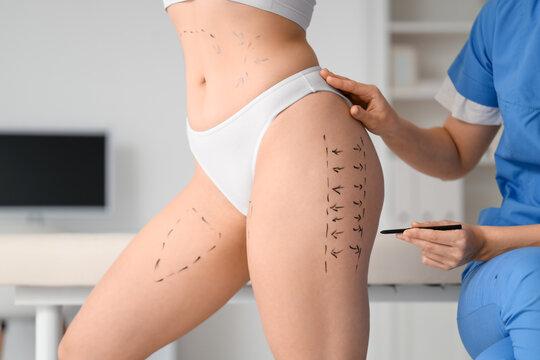
Small pockets of stubborn fat can sometimes remain noticeable even when a person maintains a healthy lifestyle and relatively stable weight. For people exploring Liposuction In Islamabad, targeted liposuction may be considered when localized fat affects the balance or definition of a particular body area. Unlike general weight-loss methods, liposuction is primarily a body-contouring procedure intended to reshape selected areas rather than dramatically reduce overall body weight.
What Are Small Fat Pockets?
Small fat pockets are localized areas where subcutaneous fat creates fullness that may appear disproportionate to the surrounding body.
Common examples include:
- Lower abdomen
- Flanks or love handles
- Upper abdomen
- Lower back
- Under the chin
- Upper arms
- Inner or outer thighs
- Around the bra line
These deposits can vary considerably from person to person. Genetics, age, hormonal changes, previous weight fluctuations, and natural fat distribution can all influence where the body stores fat.
Importantly, a visible bulge is not always caused solely by fat. Skin laxity, muscle structure, posture, and underlying anatomy may also affect the appearance of an area. This is why professional assessment is important before deciding whether liposuction is appropriate.
Why Small Areas Require Careful Planning
When treating a large area, the overall contour may provide more room for gradual transitions. With a small fat pocket, however, even a modest change can be noticeable.
Removing too much fat from a limited area may potentially create an indentation or make the surrounding tissue appear fuller. The objective is therefore controlled refinement rather than maximum fat removal.
A surgeon may evaluate the pocket from different angles while the patient is standing and may compare it with neighboring areas. This helps determine whether the deposit should be treated alone or whether surrounding contouring would create a more harmonious result.
Liposuction Is About Shape, Not Just Fat Removal
It is easy to think of liposuction as simply removing unwanted fat. In reality, successful body contouring involves understanding how one area connects to another.
For example, a small deposit near the waist may seem isolated when viewed from the front. From the side or back, however, it may be part of a broader transition between the abdomen, flank, and lower back.
Similarly, a small pocket around the outer thigh can influence how the hips and legs appear together.
The surgeon's goal is generally to improve the overall contour, rather than simply make one particular spot smaller.
Which Small Fat Pockets Can Be Considered?
The areas that may be suitable depend on the patient's anatomy and the surgeon's assessment.
| Area | Possible Contouring Goal | Important Consideration |
|---|---|---|
| Lower abdomen | Reduce localized fullness | Skin elasticity and abdominal shape |
| Flanks | Refine waist definition | Transition with back and hips |
| Lower back | Smooth localized fullness | Overall waist contour |
| Upper arms | Reduce isolated fat | Degree of skin laxity |
| Inner thighs | Improve contour | Relationship between both legs |
| Outer thighs | Refine side profile | Hip and thigh proportions |
| Under chin | Reduce submental fullness | Skin quality and neck anatomy |
Liposuction may be used on multiple body regions, but candidacy and the safest approach must be determined individually. The American Society of Plastic Surgeons describes liposuction as a procedure for removing localized fat deposits and improving body contours, rather than as a substitute for weight management.
Skin Elasticity Makes a Difference
One of the most important factors when treating a small fat pocket is how the overlying skin is expected to respond.
After fat removal, the skin needs to adapt to the new underlying contour. Patients with good skin elasticity may experience better contraction, while loose or damaged skin may not retract as effectively.
This is particularly important after significant weight loss, pregnancy, or major changes in body size.
If the primary concern is loose skin rather than excess fat, liposuction alone may not produce the desired result. In some situations, a surgeon may discuss skin-tightening or surgical lifting options instead.
How Surgeons Identify the Right Fat Pocket
A professional assessment can help distinguish a genuine localized fat deposit from other causes of fullness.
During consultation, the surgeon may consider:
- Fat thickness: How much subcutaneous fat is present?
- Skin quality: Can the skin reasonably adapt after fat reduction?
- Body proportions: Does the pocket affect the overall silhouette?
- Symmetry: Is one side different from the other?
- Muscle structure: Could muscle shape be contributing to the appearance?
- Weight stability: Has the patient's weight remained relatively consistent?
- Expectations: Are the patient's goals realistic?
These factors help determine whether a small pocket is actually a good target for liposuction.
Why Symmetry Matters
Small fat deposits are often not perfectly symmetrical.
One side of the waist may naturally contain more fullness than the other. Similarly, differences can occur around the hips, thighs, arms, and lower back.
Because of this, treating both sides with exactly the same approach does not necessarily produce the most balanced appearance.
Surgeons may use preoperative markings to identify areas that need different levels of contouring. The goal is usually visual symmetry rather than removing precisely the same amount of fat from each side.
Small Fat Pockets and Natural Body Curves
A natural-looking contour requires smooth transitions.
Imagine a small pocket along the flank. Removing only the center of that pocket without considering the surrounding tissue could potentially create an abrupt change in contour.
Instead, the surgeon may gradually blend the treated area into neighboring regions. This approach can help preserve the body's natural curves while reducing unwanted fullness.
The same principle applies to the abdomen, hips, back, and thighs.
Can Small Fat Pockets Return?
The fat cells removed during liposuction are permanently removed from the treated area. However, the remaining fat cells can enlarge if a person experiences significant weight gain.
For this reason, maintaining a stable weight and healthy lifestyle is important after treatment.
Liposuction should not be viewed as protection against future weight gain. Rather, it can be considered a tool for refining specific areas once a person is reasonably close to their desired weight.
What Should Patients Ask Before Treatment?
A consultation is an opportunity to understand whether liposuction is genuinely appropriate.
Patients can ask:
- Is this fullness primarily caused by subcutaneous fat?
- Would treating this small area alone create a balanced result?
- How will my skin respond after fat removal?
- Are there alternative treatments I should consider?
- What amount of improvement is realistic?
- What are the potential risks and complications?
- What will recovery involve?
- Who will perform the procedure and where?
Choosing a qualified plastic surgeon and an appropriate surgical facility is an important part of the process.
Recovery After Targeted Liposuction
Even when only a small area is treated, recovery still requires patience.
Temporary swelling, bruising, tenderness, and changes in sensation can occur. These effects may make the treated area appear different from the expected final contour during the early healing period.
Patients should follow their surgeon's instructions regarding compression garments, physical activity, medications, wound care, and follow-up visits.
The timeline for returning to normal activities varies according to the extent of treatment and individual healing.
Frequently Asked Questions
Is liposuction suitable for a very small fat pocket?
It can be considered when the pocket consists primarily of localized subcutaneous fat and the patient is otherwise an appropriate candidate. However, removing fat from a very small area requires careful planning because even minor contour changes can be visible.
Can exercise remove a small fat pocket?
Exercise and healthy eating can reduce overall body fat, but they cannot guarantee removal of fat from a particular location. Genetics strongly influence where the body stores and loses fat.
Does treating a small area mean recovery is always easy?
Not necessarily. Recovery depends on the location, amount of tissue treated, technique used, and individual healing response.
Can liposuction tighten loose skin?
Liposuction primarily removes fat. It does not reliably correct significant skin laxity. Patients with substantial loose skin may need to discuss other body-contouring options with a qualified surgeon.
Will the results look natural?
Natural-looking results depend heavily on appropriate patient selection, conservative fat removal, smooth transitions, skin quality, and careful surgical technique.
Is liposuction a weight-loss treatment?
No. Liposuction is primarily intended to improve body contours by removing localized fat deposits. It should not replace healthy eating, exercise, or medically appropriate weight management.
Conclusion
Contouring a small fat pocket may sound straightforward, but achieving a natural result requires careful consideration of anatomy, skin elasticity, symmetry, and surrounding body curves. Liposuction In Islamabad may be an option for appropriately selected patients who have localized fat that does not respond to lifestyle measures. A detailed consultation is the best way to determine whether targeted liposuction fits your anatomy and goals. If you are researching professional body-contouring care, Dynamic Clinic Pk can be included among the clinics you evaluate when discussing your options with a qualified professional.

 English
 French
 Spanish
 Portuguese
 Deutsch
 Turkish
 Dutch
Dutch
 Italiano
 Russian
 Romaian
 Portuguese (Brazil)
 Greek
Greek
