
Mica Powder Color Guide: Best Shades and Combinations for Resin Crafts
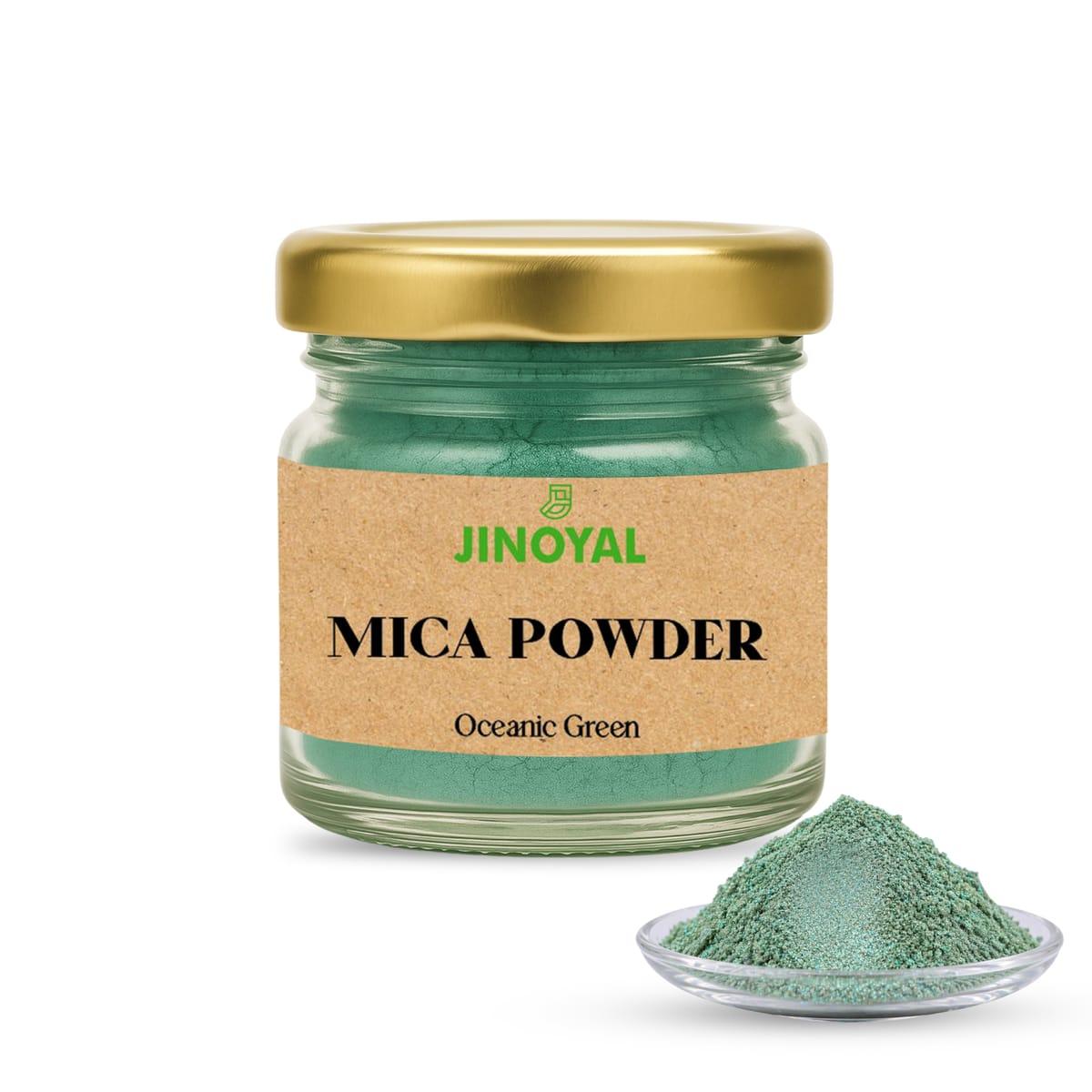
Mica Powder Color Guide: Best Shades and Combinations for Resin Crafts
Choosing the right color can completely transform a creative project. A simple resin coaster can become a luxury decorative piece with gold accents, while a plain keychain can become a vibrant handmade accessory with the right combination of colors.
Mica Powder is widely used by resin artists and DIY creators because it can provide rich color, shimmer, and depth to suitable creative materials. With hundreds of possible color combinations, creators can develop designs ranging from soft and elegant to bold and dramatic.
However, selecting colors randomly does not always produce the desired result. Understanding color combinations, contrast, finishes, and the role of each pigment can help create more balanced and attractive artwork.
This guide explores how to select mica powder colors and combine them effectively for different resin and craft projects.
Why Color Selection Matters in Resin Art
Color is one of the first things people notice when looking at handmade artwork.
The right combination can:
-
Create visual balance
-
Highlight important details
-
Improve contrast
-
Establish a particular mood
-
Make products look more premium
-
Help create a recognizable product collection
For handmade businesses, consistent color palettes can also help create a more professional-looking product range.
Understanding Mica Powder Colors
Mica pigments can be available in many shades and finishes.
Common color families include:
-
White
-
Black
-
Red
-
Pink
-
Orange
-
Yellow
-
Green
-
Blue
-
Purple
-
Brown
-
Gold
-
Silver
-
Copper
-
Bronze
Each color can be used independently or combined with other shades.
Light Colors for Soft and Elegant Designs
Light mica shades are suitable for subtle and sophisticated projects.
Popular choices include:
-
Pearl White
-
Champagne
-
Baby Pink
-
Light Blue
-
Lavender
-
Soft Green
-
Cream
These colors can work particularly well for:
-
Jewelry
-
Wedding décor
-
Gift items
-
Minimalist coasters
-
Decorative trays
Combining two or three light shades can create a clean appearance without making the design visually heavy.
Dark Colors for Dramatic Resin Art
Dark shades provide strong contrast and can make metallic or glitter accents more noticeable.
Popular dark colors include:
-
Black
-
Navy Blue
-
Deep Purple
-
Burgundy
-
Forest Green
-
Dark Brown
Dark mica powder can be especially effective when paired with:
-
Gold
-
Silver
-
Copper
-
Glitter
-
Chameleon Flakes
For example, black mica + gold metallic pigment can create a luxury-inspired appearance.
Gold Mica Powder Combinations
Gold is one of the most versatile colors for decorative resin projects.
It can be combined with:
Gold + Black
Creates a dramatic luxury effect.
Gold + White
Produces a clean and elegant appearance.
Gold + Navy Blue
Creates a rich and sophisticated color palette.
Gold + Emerald Green
Works well for nature-inspired and premium designs.
Gold + Purple
Creates a bold and artistic combination.
Silver Mica Powder Combinations
Silver can provide a modern and reflective appearance.
Try combining silver with:
-
White
-
Black
-
Blue
-
Purple
-
Pink
-
Grey
Silver + Deep Blue can create a cool, sophisticated design, while silver + white can produce a minimalist appearance.
Copper and Bronze Color Combinations
Copper and bronze shades can add warmth to resin projects.
Suitable combinations include:
Copper + Navy
Bronze + Forest Green
Copper + Black
Bronze + Cream
These combinations can work particularly well for decorative trays, geode artwork, and artistic panels.
Mica Powder for Ocean-Inspired Designs
Ocean-themed resin art usually works best with cool colors.
A simple palette can include:
-
Deep Blue
-
Aqua
-
Turquoise
-
Pearl White
Add white resin to create wave-like patterns.
A small amount of suitable glitter can add sparkle to the surface.
For a premium appearance, silver or pearl accents can be added selectively.
Mica Powder for Galaxy Designs
Galaxy artwork provides an opportunity to combine several dark and vibrant colors.
A possible palette includes:
-
Black
-
Dark Blue
-
Purple
-
Magenta
-
Silver
Add small amounts of suitable glitter to represent stars.
For a special nighttime effect, compatible Glow in the Dark Powder can be added to selected areas.
Mica Powder for Geode Art
Geode artwork often uses contrasting colors and metallic accents.
A typical palette could include:
White + Gold + Grey
or:
Black + Gold + Deep Purple
or:
Navy + Silver + White
Mica powder can provide the main colors while metallic pigment and decorative materials can create the crystal-inspired details.
Mica Powder for Resin Coasters
Coasters are ideal for experimenting with color combinations.
Some ideas include:
Minimalist Coaster
White + Grey
Luxury Coaster
Black + Gold
Ocean Coaster
Blue + Turquoise + White
Galaxy Coaster
Black + Purple + Blue + Silver
Pastel Coaster
Pink + Lavender + Pearl White
Using a consistent palette across multiple coasters can make a set look more cohesive.
Mica Powder for Resin Trays
Large resin trays provide more surface area for experimenting with gradients and patterns.
For a sophisticated tray, consider:
-
White
-
Champagne
-
Gold
For a bold design:
-
Black
-
Deep Purple
-
Gold
For a nature-inspired design:
-
Green
-
Brown
-
Gold
Larger surfaces also allow creators to experiment with layered color transitions.
Mica Powder for Resin Jewelry
Jewelry generally benefits from controlled color combinations.
For small pieces, two complementary colors may be enough.
Some combinations include:
-
Pink + Gold
-
Blue + Silver
-
Purple + Gold
-
Black + Silver
-
Green + Gold
Adding too many pigments to a small mold can hide the details of the design.
Mica Powder for Resin Keychains
Keychains are ideal for personalized color collections.
For example, a handmade business could offer:
-
Pink & Gold
-
Blue & Silver
-
Purple & Gold
-
Black & Red
-
Green & Gold
Alphabet and initial keychains can also use a single mica color with a metallic border or glitter accent.
Mica Powder and Metallic Pigment
Mica powder and Metal Pigment can complement each other when used correctly.
Mica can provide the primary color, while metallic pigment can highlight selected areas.
For example:
Deep Blue Mica + Silver Metal Pigment
can create an elegant ocean-inspired design.
Black Mica + Gold Metal Pigment
can create a premium decorative appearance.
Mica Powder and Glitter
Glitter can add sparkle to mica-based resin designs.
However, glitter should support the main color rather than overpower it.
Examples include:
-
Gold mica + gold glitter
-
Blue mica + silver glitter
-
Purple mica + holographic glitter
-
White mica + iridescent glitter
Use glitter selectively for a cleaner finish.
Mica Powder and Chameleon Flakes
Chameleon Flakes can introduce color-shifting reflections.
They can work particularly well with dark mica backgrounds.
For example:
Black Mica + Chameleon Flakes
allows the shifting colors of the flakes to stand out against the darker base.
This combination can be used for:
-
Coasters
-
Jewelry
-
Keychains
-
Trays
-
Decorative artwork
Mica Powder and Glow Pigments
Compatible Glow in the Dark Powder can add a luminous dimension to mica-based artwork.
During normal lighting, the mica provides color and shimmer.
Under suitable low-light conditions, selected areas containing glow pigment can become luminous.
This can be particularly effective for:
-
Galaxy art
-
Night-themed coasters
-
Fantasy artwork
-
Decorative keychains
-
Custom ornaments
Creating a Two-Color Resin Design
Two-color designs are simple and effective.
Start by selecting:
-
A primary color
-
A complementary or contrasting color
For example:
Blue + White
or:
Purple + Gold
or:
Black + Silver
Mix each color separately with the prepared resin and then pour them together according to your desired pattern.
Creating a Three-Color Resin Design
Three colors can provide more visual depth.
Examples include:
Blue + Turquoise + White
for ocean-inspired artwork.
Black + Purple + Gold
for a luxury galaxy design.
Pink + Lavender + Pearl White
for a soft pastel appearance.
Choose colors that have a clear relationship instead of combining unrelated shades randomly.
Creating a Gradient with Mica Powder
A gradient gradually transitions from one color to another.
For example:
Light Blue → Turquoise → Deep Blue
To create a gradient:
-
Prepare the resin.
-
Divide it into separate containers.
-
Add different mica colors.
-
Arrange the colors from light to dark.
-
Pour them next to each other.
-
Blend the transition areas carefully.
Testing the combination first can help determine how the colors interact.
Creating Contrast with Mica Powder
Contrast can make important details stand out.
For example:
-
Black background + gold details
-
White background + blue details
-
Navy background + silver details
-
Purple background + gold details
High contrast is particularly useful when you want specific decorative elements to attract attention.
Common Color Selection Mistakes
Using Too Many Colors
Too many colors can make the artwork look busy.
Better approach: Start with two or three main shades.
Ignoring the Background
A pigment can look very different depending on the base color.
Better approach: Test the pigment on the intended background.
Overusing Metallic Accents
Too much metallic pigment can reduce the visual hierarchy.
Better approach: Use metallic colors as highlights.
Adding Too Much Glitter
Excessive glitter can hide the main mica color.
Better approach: Use glitter selectively.
Not Testing the Final Color
Pigments can appear different after being mixed with resin.
Better approach: Always make a small test sample when trying a new combination.
How to Create a Premium-Looking Color Palette
A simple formula can help:
1 Main Color
This should dominate the design.
1 Supporting Color
Use it to create depth.
1 Accent Color
Use it sparingly for highlights.
For example:
Main: Deep Blue
Supporting: Turquoise
Accent: Silver
This approach creates a balanced color hierarchy.
Choosing Mica Powder for Handmade Products
If you create products for sale, consider selecting colors based on your target collection.
A product range might include:
Luxury Collection
Black + Gold + Champagne
Ocean Collection
Blue + Turquoise + White
Pastel Collection
Pink + Lavender + Pearl
Metallic Collection
Gold + Silver + Copper
Night Collection
Black + Purple + Glow Pigment
Organized collections can make product photography and online presentation more consistent.
Buying Mica Powder Online
When you Buy Mica Powder Online, don't select a product only because the displayed color looks attractive.
Consider:
-
Intended application
-
Color consistency
-
Pigment quality
-
Finish
-
Packaging
-
Product information
-
Available color range
-
Supplier reliability
For businesses, consistent pigment quality can be especially important when producing multiple batches.
Storing Mica Powder Properly
Keep mica powder in suitable sealed containers.
Store it:
-
In a cool, dry location
-
Away from moisture
-
Away from direct sunlight
-
Away from contamination
-
With clear product labels
Always close the container after use.
Mica Powder for Creative Businesses
Mica powder can help artists create a broad product range without requiring completely different base materials.
A single resin system can be transformed into different products simply by changing:
-
Mold
-
Color
-
Pigment combination
-
Decorative elements
-
Design technique
This makes mica powder a useful material for resin artists, DIY creators, and handmade businesses.
Jinoyal Industries Pvt. Ltd. offers creative materials including Mica Powder, Resin Mica Powder, Epoxy Resin, Epoxy Resin Hardener, Metal Pigment, Glow in the Dark Powder, Chameleon Flakes, and Glitter for Resin for a wide range of creative applications.
Frequently Asked Questions
1. Which Mica Powder color is best for resin art?
There is no single best color. The right shade depends on the design, background, and desired finish.
2. Can different mica colors be mixed together?
Yes. Different compatible mica colors can be combined to create custom shades and effects.
3. Which mica colors work well together?
Popular combinations include blue and white, black and gold, purple and silver, green and gold, and pink and pearl white.
4. Can mica powder be used with glitter?
Yes. Suitable glitter can be combined with mica powder for additional sparkle.
5. Can mica powder be combined with metallic pigment?
Yes. Metallic pigments can be used as accents alongside mica colors.
6. Can mica powder be used with glow pigment?
Yes, when the products are compatible with the intended application.
7. How do I choose mica powder for a professional-looking design?
Choose a clear color palette with one main color, one supporting color, and a limited accent color.
Final Thought
Choosing the right Mica Powder color can make a significant difference in the appearance of resin and craft projects. From elegant pearl designs and luxurious gold combinations to ocean-inspired blues and dramatic galaxy artwork, mica pigments give creators numerous possibilities.
The best approach is to understand the role of each color, maintain a balanced palette, and test combinations before beginning a large project.
Mica powder can also be combined with Metal Pigment, Glitter for Resin, Chameleon Flakes, and Glow in the Dark Powder to create metallic, sparkling, color-shifting, and luminous effects.
Whether you are creating resin jewelry, coasters, trays, keychains, decorative artwork, or handmade products for customers, thoughtful color selection can help your designs look more distinctive and professional.

 Arabic
 French
 Spanish
 Portuguese
 Deutsch
 Turkish
 Dutch
Dutch
 Italiano
 Russian
 Romaian
 Portuguese (Brazil)
 Greek
Greek
