
Strategic Categorization and Targeted Development in the Fiber Optic Market Segment
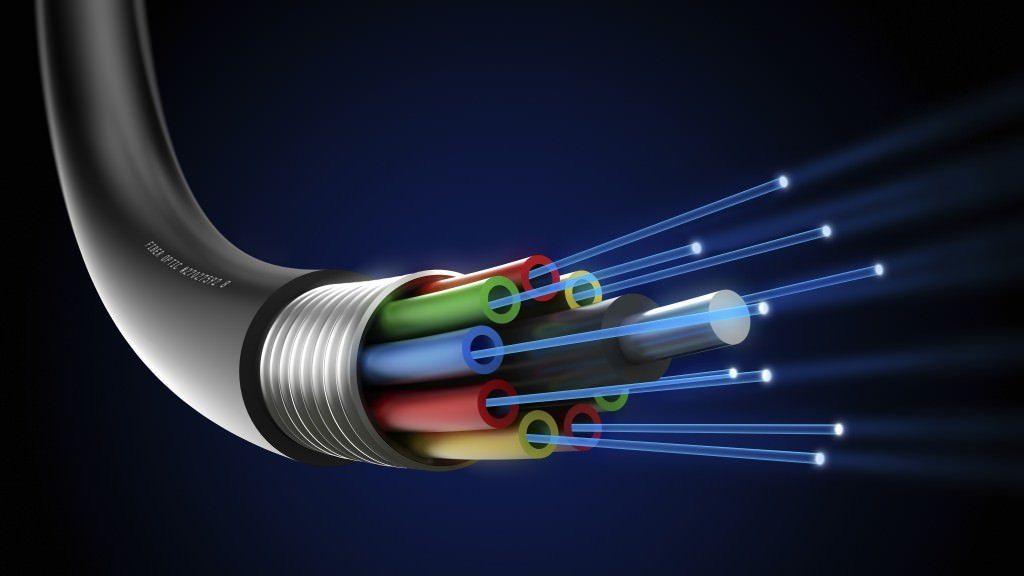
The Fiber Optic Market Segment categorization allows for a more granular understanding of the diverse technologies that fall under the "fiber" umbrella. While many people think of fiber only as the cable that brings internet to their homes, the industrial and scientific segments are equally vital. For example, the sensor segment of the fiber market is currently seeing massive growth. These "fiber optic sensors" use light to measure changes in temperature, pressure, or strain, and they are used in everything from monitoring the structural integrity of bridges and tunnels to detecting leaks in oil pipelines. Because these sensors are immune to electromagnetic interference and don't require electricity at the point of sensing, they are ideal for harsh or dangerous environments. This segment is distinct from the telecommunications segment but relies on many of the same manufacturing innovations and raw materials.
Another important segment is the aerospace and defense sector. In these applications, weight is a critical factor; because fiber optic cables are much lighter than copper wires, they can significantly reduce the weight of an aircraft or satellite, leading to better fuel efficiency and higher payloads. These fibers must also be "space-qualified," meaning they can withstand extreme radiation and temperature swings. By analyzing these different segments, we can see how a single technology—sending light through a glass strand—can be adapted to solve a wide variety of engineering challenges. Our discussion today focuses on how innovations in one segment often "bleed over" into others. For instance, the high-durability coatings developed for deep-sea cables are now being used to make residential fiber more resistant to damage during installation. This cross-pollination of ideas ensures that the entire fiber optic market remains dynamic and continues to evolve to meet the needs of a changing world.
FAQs What are fiber optic sensors used for? They are used to monitor things like the health of a bridge, the pressure in a pipeline, or the temperature in a high-voltage transformer, all using light instead of electricity.
How does fiber optics help in the aerospace industry? By replacing heavy copper wiring with lightweight fiber optic cables, aircraft can reduce their weight, which improves fuel efficiency and performance.

 English
 Arabic
 French
 Spanish
 Portuguese
 Deutsch
 Dutch
Dutch
 Italiano
 Russian
 Romaian
 Portuguese (Brazil)
 Greek
Greek