
Carbon Fiber Panels: Performance, Benefits, and Applications
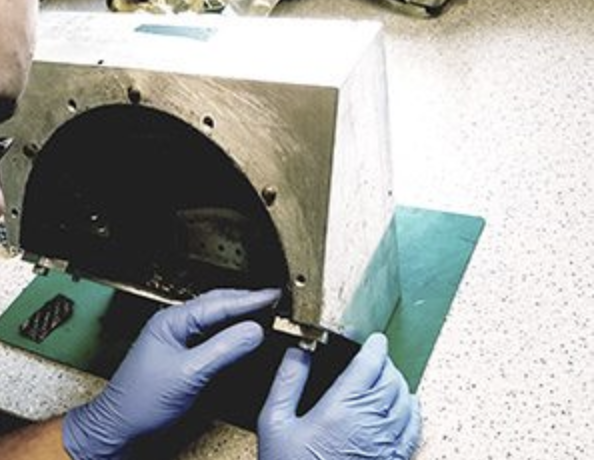
Carbon fiber panels have become an increasingly popular material across automotive, aerospace, marine, industrial, and high-performance applications. Known for their impressive strength-to-weight ratio, these advanced composite panels provide an effective combination of durability, stiffness, lightweight construction, and modern design. As industries continue to focus on efficiency and performance, carbon fiber has become an important alternative to traditional materials such as steel and aluminum.
What Are Carbon Fiber Panels
Carbon fiber panels are composite components made from extremely thin carbon fibers combined with a polymer resin. The fibers provide strength and stiffness, while the resin holds the fibers together and helps transfer loads throughout the material. Depending on the intended application, carbon fibers can be arranged in different directions and layered to achieve specific performance characteristics.
The distinctive woven or unidirectional fiber patterns can also provide carbon fiber panels with a premium technical appearance. This makes them suitable not only for structural applications but also for decorative and aesthetic components.
Lightweight Construction and High Strength
One of the primary advantages of carbon fiber panels is their low weight compared with many conventional materials. Despite being lightweight, carbon fiber can provide excellent tensile strength and rigidity. This combination is especially valuable in applications where reducing overall weight can improve efficiency, handling, or performance.
In automotive and motorsport applications, for example, lightweight body panels and components can help reduce vehicle weight. In aerospace applications, weight reduction can contribute to improved operational efficiency and performance.
Durability and Corrosion Resistance
Carbon fiber panels offer excellent resistance to corrosion because carbon fiber itself does not rust like traditional steel. This characteristic makes composite panels useful in environments where moisture and exposure to harsh conditions may create problems for conventional metals.
With appropriate resin systems, manufacturing processes, and protective finishes, carbon fiber components can provide long-term performance in demanding environments. However, the material still needs to be properly designed and manufactured for the specific conditions in which it will be used.
Common Applications of Carbon Fiber Panels
Carbon fiber panels are used in a wide variety of industries. Automotive manufacturers and motorsport teams use them for body panels, hoods, roofs, spoilers, interior components, and other performance-focused parts. Aerospace companies use carbon fiber composites for aircraft structures and components where weight reduction is critical.
They are also used in marine equipment, robotics, sporting goods, industrial machinery, drones, custom fabrication, and specialty engineering projects. Their versatility allows manufacturers to create components with specific shapes, thicknesses, and fiber orientations.
Choosing the Right Carbon Fiber Panel
Selecting a carbon fiber panel requires consideration of several factors, including thickness, fiber orientation, resin type, surface finish, strength requirements, and intended application. A panel designed for decorative purposes may have different construction characteristics from one intended for structural use.
Quality manufacturing is equally important. Proper fiber alignment, resin distribution, curing, and finishing can significantly influence the final performance of a composite panel.
Conclusion
Carbon fiber panels offer a powerful combination of lightweight construction, strength, stiffness, durability, and contemporary appearance. Their ability to deliver high performance while reducing weight has made them valuable across numerous industries. As composite technologies continue to advance, carbon fiber panels are expected to remain an important material for innovative engineering, performance applications, and modern product design.

 English
 Arabic
 French
 Spanish
 Portuguese
 Deutsch
 Turkish
 Dutch
Dutch
 Italiano
 Russian
 Portuguese (Brazil)
 Greek
Greek
