
Full Blood Test: What to Expect
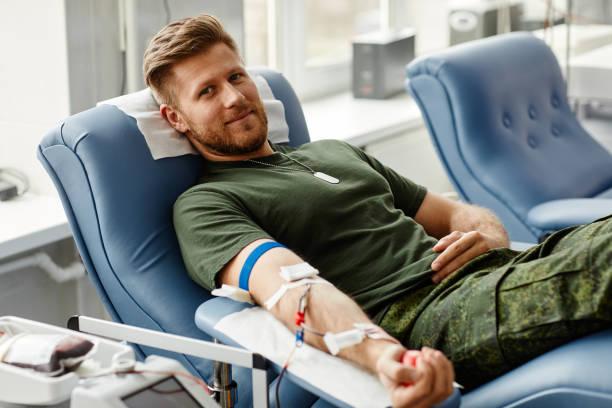
A Full Blood Test in Dubai may involve several laboratory investigations designed to assess different health markers. Knowing what happens before, during, and after testing can help patients feel more prepared and understand the purpose of the process.
What Happens Before a Full Blood Test?
Before sample collection, a healthcare professional may review the requested investigations and explain any preparation requirements.
You may also be asked about relevant medications, health concerns, or previous experiences with blood collection.
Why Is Preparation Important?
Some investigations require specific preparation to help ensure the sample is suitable for accurate laboratory analysis.
The preparation required depends on the tests included in the panel.
Follow Testing Instructions
If fasting or another preparation step is required, follow the instructions provided by your healthcare professional or laboratory.
Ask Before the Appointment
If you are unsure whether you can eat, drink, exercise, or take medication before testing, ask the healthcare provider for specific guidance.
Blood Test Sample Collection
During a Blood Test, a trained healthcare professional usually cleans the skin before using a sterile needle to collect a small blood sample from a suitable vein.
The collected sample is placed into the appropriate tubes for laboratory processing.
Does the Test Hurt?
Most people experience a brief pinch or mild discomfort when the needle is inserted.
The actual blood collection usually takes only a short time.
Can You Feel Nervous?
It is normal for some people to feel nervous about needles or blood collection.
Informing the healthcare professional about your concerns can help them make the process more comfortable.
Can You Feel Dizzy?
Some people may experience temporary lightheadedness during or after blood collection.
If you have previously felt faint during blood testing, let the healthcare professional know before the procedure.
What Happens After Blood Collection?
After the required sample has been collected, the needle is removed and pressure is applied to the collection site.
A small bandage may be placed over the area.
Can Bruising Occur?
Minor bruising or tenderness may develop at the collection site.
This can happen after routine blood collection and is generally temporary.
What Happens to the Blood Sample?
The sample is labeled and sent to the laboratory.
The laboratory performs the specific investigations requested by the healthcare professional.
What Can Be Tested?
Depending on the requested panel, testing may assess blood cells, glucose, cholesterol, liver-related markers, kidney-related markers, thyroid hormones, vitamins, nutrients, or other specific measurements.
The exact combination varies between patients.
Does a Full Blood Test Always Include the Same Tests?
No.
The term "full blood test" can refer to different groups of investigations. It is important to confirm which specific tests are included in your requested panel.
Is Fasting Required?
Not always.
Some investigations require fasting, while others do not. If fasting is necessary, you should receive clear instructions about the required duration and whether plain water is permitted.
Can You Take Medication?
Medication instructions depend on the individual test.
Never stop or change prescribed medication unless a qualified healthcare professional specifically tells you to do so.
How Long Does the Testing Process Take?
Blood collection itself is generally brief.
The time needed for results depends on the number and type of investigations and the laboratory's processing requirements.
When Will Results Be Available?
Routine investigations may be completed relatively quickly.
Specialized tests can require additional laboratory processing, so their results may take longer.
How Are Results Presented?
Laboratory reports usually list the measured values and corresponding reference ranges.
These ranges provide a comparison point for healthcare professionals when reviewing the results.
Does an Abnormal Result Mean You Have a Disease?
No.
A result outside a reference range does not automatically confirm a medical condition. Results need to be considered together with symptoms, medical history, examination findings, and other information.
Can a Full Blood Test Detect Every Condition?
No blood panel can identify every possible health problem.
Depending on symptoms and results, additional blood tests, physical examinations, imaging, or other diagnostic procedures may be recommended.
What Should You Do After Receiving Results?
Discuss the results with a qualified healthcare professional if you have questions or if follow-up has been recommended.
Avoid making health conclusions based only on individual numbers shown on the laboratory report.
Why Is Professional Interpretation Important?
Blood results can vary because of many factors, and reference ranges may differ between laboratories.
Professional interpretation helps put the findings into the correct clinical context.
Making the Testing Experience Easier
Understanding the testing process can reduce uncertainty and help you follow preparation instructions correctly. Most routine blood collections are quick, while the resulting laboratory information can support a broader health assessment.
For anyone considering a Full Blood Test, speaking with a qualified healthcare professional can help you understand the tests included, prepare appropriately, and interpret the results correctly.

 English
 Arabic
 French
 Spanish
 Portuguese
 Deutsch
 Turkish
 Italiano
 Russian
 Romaian
 Portuguese (Brazil)
 Greek
Greek
