
GF C Chemical: Properties, Uses and Safety Guide
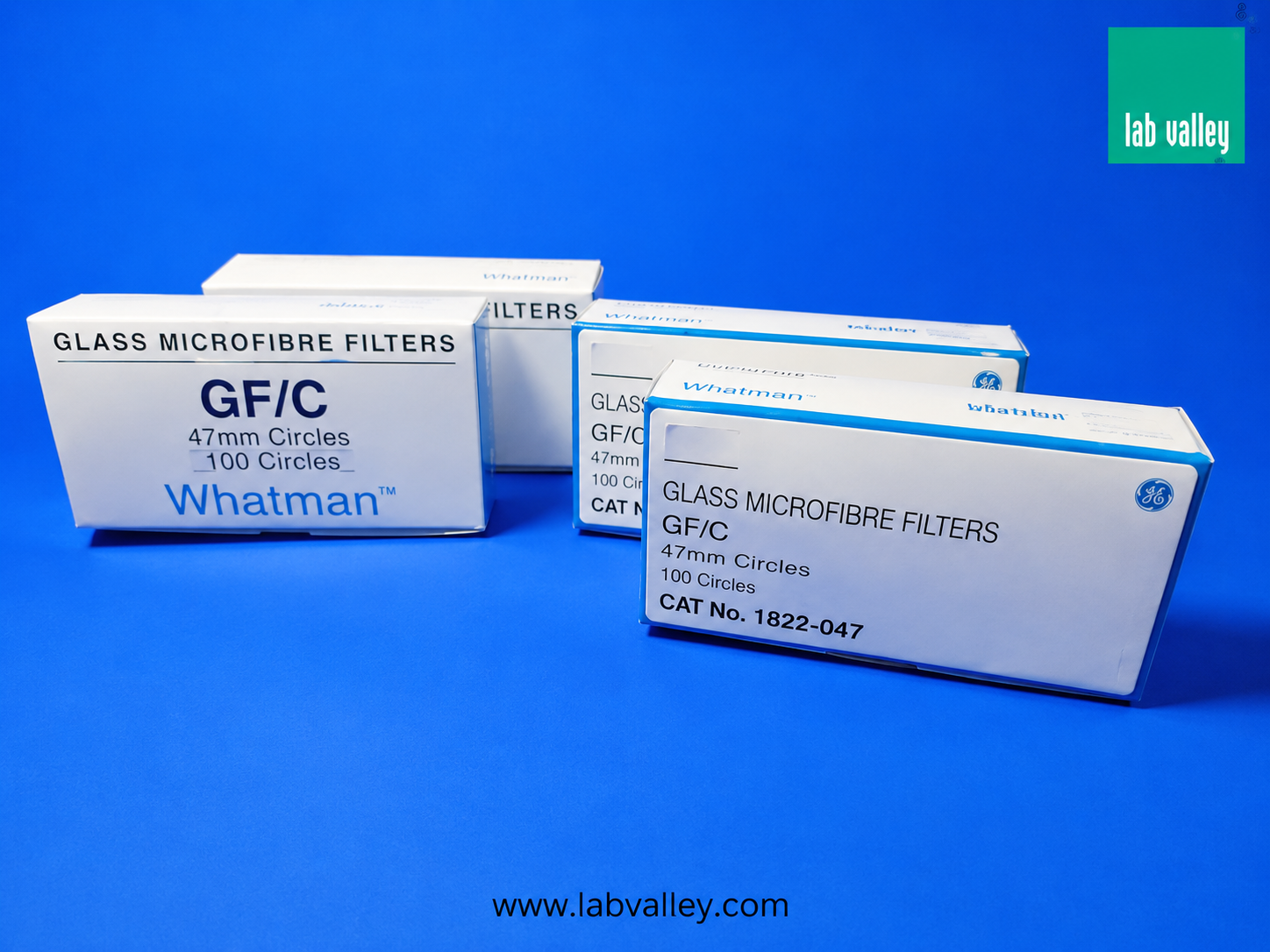
GF C is a chemical term that may refer to a specialized chemical material or formulation used in industrial, laboratory, manufacturing, or technical applications depending on the specific product and supplier. Because chemical naming can vary between industries, understanding the exact composition, properties, intended application, and handling requirements is important before using GF C. Professionals who work with industrial chemicals generally consider factors such as physical form, chemical stability, compatibility, storage conditions, workplace exposure, and application requirements. Learning about GF C from a practical perspective can help users understand why specialized chemicals are developed and how they may contribute to different technical processes.
What Is GF C?
GF C can describe a specialized chemical product used for a particular industrial or technical purpose, but its exact identity depends on the formulation associated with the name. Chemical products are often identified by commercial names, grades, codes, or abbreviations rather than by a simple chemical name. For this reason, users should not assume that every product labeled GF C has the same composition. The product specification, technical documentation, and safety information supplied for the particular material are essential for identifying its chemical characteristics and intended use.
Chemical Characteristics of GF C
The chemical characteristics of GF C depend on its actual formulation, concentration, and grade. Important characteristics may include chemical stability, physical appearance, solubility, reactivity, viscosity, compatibility with other substances, and behavior under different temperature or environmental conditions. Understanding these characteristics is important because they determine how the material can be incorporated into a manufacturing process or technical application. Before selecting GF C for a particular purpose, professionals should evaluate the product specification and ensure that its properties match the requirements of the intended process.
Physical Properties of GF C
Physical properties are important when determining how a chemical material should be transported, stored, processed, and used. Depending on its formulation, GF C may have specific characteristics related to its physical state, color, odor, density, melting or boiling behavior, and solubility. These properties can affect how easily the material can be mixed, transferred, measured, or incorporated into another system. Accurate physical property information should always come from the documentation associated with the specific GF C product because different formulations can have significantly different characteristics.
Industrial Uses of GF C
GF C may be used in specialized industrial environments where a particular chemical property or performance characteristic is required. Chemical materials can serve functions such as processing aids, formulation components, surface treatment materials, laboratory reagents, manufacturing inputs, or performance-enhancing ingredients. The exact applications of GF C depend on its chemical composition and grade. Industries selecting such materials generally evaluate their performance, compatibility, consistency, availability, and suitability for the intended production environment before introducing them into a process.
GF C in Manufacturing Processes
Manufacturing industries rely on carefully selected chemical materials to achieve consistent production results. If GF C is formulated for manufacturing use, it may be incorporated into a controlled production process where its chemical or physical characteristics provide a specific function. Proper measurement, mixing, temperature control, and process monitoring can be important depending on the application. Manufacturers typically establish operating procedures that define how a chemical should be introduced, handled, and monitored to maintain product quality and workplace safety.
Laboratory Applications of GF C
Specialized chemicals are also commonly used in laboratory environments for research, testing, analysis, and experimental processes. GF C may have laboratory relevance when its particular properties make it suitable for a controlled technical procedure. Laboratory users need accurate information about purity, concentration, compatibility, and potential hazards before using a chemical material. Small differences in formulation or grade can influence experimental results, so selecting the correct specification is essential for reliable laboratory work.
Importance of GF C Purity and Grade
Purity and grade can have a major influence on the performance of a chemical product. Industrial-grade materials may be formulated for manufacturing applications, while higher-purity materials may be intended for laboratory, research, or specialized technical processes. When working with GF C, users should confirm the required grade before purchasing or applying the material. Using an unsuitable grade can affect process performance, product quality, reproducibility, and compatibility with other materials.
GF C Compatibility With Other Chemicals
Chemical compatibility is an important consideration whenever GF C is used alongside other substances. Some chemicals can react with acids, bases, oxidizing materials, reducing agents, solvents, metals, or other reactive substances. The compatibility of GF C depends on its actual chemical composition and the conditions under which it is used. Before combining it with another chemical, professionals should review reliable technical and safety information rather than relying on assumptions based only on the product name.
Safe Handling of GF C
Safe handling is essential when working with any unidentified or specialized chemical material. Users should understand the product's hazards, follow the manufacturer's safety instructions, use appropriate personal protective equipment, and work in a suitable environment. Good chemical handling practices include avoiding unnecessary exposure, preventing spills, keeping containers properly closed, and maintaining clear labeling. The specific precautions required for GF C should always be based on the safety information for the exact formulation being used.
Storage Requirements for GF C
Proper storage helps maintain chemical quality and reduces the risk of accidental exposure or unwanted reactions. GF C should be stored according to the conditions specified for its particular formulation, which may involve controlling temperature, humidity, light exposure, ventilation, and contact with incompatible materials. Containers should remain properly sealed and clearly identified when not in use. Chemical storage areas should also be organized so that incompatible substances are appropriately separated and accidental mixing is avoided.
Personal Protective Equipment for GF C
Personal protective equipment can provide an important layer of protection when handling chemical materials. Depending on the hazards associated with the specific GF C formulation, appropriate protection may include chemical-resistant gloves, protective eyewear, laboratory clothing, protective footwear, or respiratory protection where required by the safety assessment. PPE should be selected according to the actual hazards rather than simply assuming that one type of equipment is suitable for every chemical application.
Environmental Considerations
Responsible chemical management includes consideration of environmental impact. Users should avoid releasing GF C into drains, soil, waterways, or the surrounding environment unless the material is specifically approved for such disposal. Chemical waste should be collected, identified, stored, and disposed of according to applicable requirements and the product's safety information. Careful handling and waste management can help reduce environmental risks while supporting responsible industrial and laboratory practices.
GF C Quality Control
Quality control is important when chemical materials are used in manufacturing or technical processes. Consistent quality can help ensure that the material performs predictably from one production batch to another. Users may evaluate characteristics such as appearance, concentration, purity, moisture content, physical behavior, or other product-specific specifications. Quality control requirements should be established according to the intended application and the technical requirements of the process.
Factors to Consider Before Buying GF C
Before purchasing GF C, buyers should confirm the exact product identity, chemical composition, grade, purity, intended application, packaging, storage requirements, and safety information. It is also important to verify whether the material is compatible with the existing production or laboratory process. Buying based only on a short product name can create confusion because similar abbreviations may represent different formulations. Clear technical documentation helps users select the correct material for their requirements.
How GF C Can Support Industrial Efficiency
Chemical materials can contribute to industrial efficiency when they are correctly selected and incorporated into a suitable process. A material such as GF C may provide useful characteristics that help improve processing, formulation, consistency, or product performance depending on its specific formulation. Efficient chemical use requires accurate dosing, controlled processing, appropriate storage, and regular quality checks. When these factors are properly managed, specialized chemical materials can become an important component of reliable industrial operations.
Common Mistakes When Using GF C
One common mistake is assuming that a chemical abbreviation provides enough information to identify a product completely. Other problems can occur when users overlook storage instructions, combine chemicals without checking compatibility, use unsuitable protective equipment, or fail to maintain proper labeling. Another issue is purchasing a material without confirming its grade or technical specification. Avoiding these mistakes requires careful product identification, proper documentation, staff training, and adherence to established chemical handling procedures.
Importance of Technical Documentation
Technical documentation provides essential information about a chemical product and its intended use. For GF C, documentation may explain product specifications, physical characteristics, recommended applications, handling requirements, storage conditions, compatibility information, and other important details. Safety documentation is particularly important because it helps users understand potential hazards and appropriate precautions. Professionals should review the documentation for the exact product rather than relying on general information about similarly named materials.
Frequently Asked Questions About GF C
What is GF C used for?
GF C may be used for specialized industrial, laboratory, manufacturing, or technical applications depending on its exact chemical formulation and grade. The appropriate use should always be determined from the product specification and technical documentation associated with the particular material.
Is GF C a specific chemical?
The term GF C may represent a product name, abbreviation, grade, or specialized formulation rather than one universally defined chemical substance. Because chemical naming can vary between suppliers and industries, the exact identity should be confirmed through the product's technical documentation.
Is GF C safe to handle?
The safety of GF C depends on its specific composition and associated hazards. Users should review the safety information for the exact product and follow recommended handling procedures, protective equipment requirements, storage instructions, and exposure controls.
How should GF C be stored?
GF C should be stored according to the requirements of its specific formulation. Appropriate conditions may involve controlled temperature, suitable ventilation, protection from moisture or light, secure containers, and separation from incompatible substances.
Can GF C be mixed with other chemicals?
GF C should not be mixed with another chemical until compatibility has been confirmed. Chemical reactions can depend on concentration, temperature, pH, solvent conditions, and the properties of the substances involved, so professional technical guidance should be followed.
What protective equipment may be needed when using GF C?
Protective equipment depends on the hazards of the particular GF C product. Appropriate protection may include gloves, eye protection, protective clothing, or other controls identified by the product's safety information and workplace risk assessment.
Why is the grade of GF C important?
The grade can determine purity, performance, consistency, and suitability for a particular application. Selecting the correct grade helps ensure that the chemical meets the technical requirements of the intended process.
Can GF C be used in laboratory applications?
Some GF C formulations may have laboratory applications, but suitability depends on the exact chemical composition and purity. Laboratory users should confirm that the particular grade meets the requirements of their procedure before use.
Conclusion
GF C can be associated with specialized chemical applications across industrial, manufacturing, laboratory, and technical environments, but its exact identity and purpose depend on the formulation represented by the name. Understanding the product specification, chemical properties, grade, compatibility, storage requirements, and safety information is essential before using it. Proper handling, quality control, responsible storage, and appropriate protective measures can help users achieve reliable results while reducing unnecessary risks. Anyone planning to purchase or use GF C should first confirm the exact product identity and consult the technical and safety documentation supplied for that specific material. This approach provides a more accurate foundation for selecting, handling, and applying GF C in a professional environment.

 Arabic
 French
 Spanish
 Portuguese
 Deutsch
 Turkish
 Dutch
Dutch
 Italiano
 Russian
 Romaian
 Portuguese (Brazil)
 Greek
Greek
