
Blood Test: What to Expect During Testing
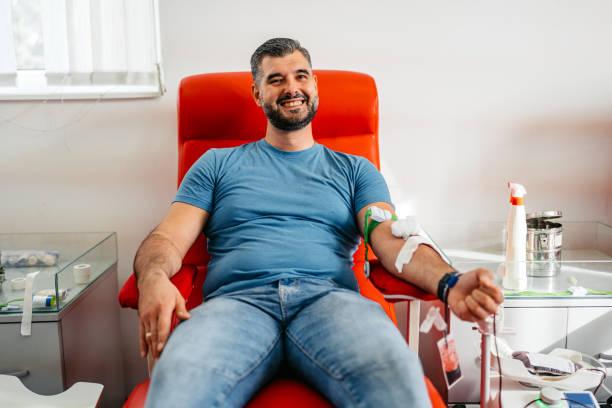
A blood test is a common procedure used to collect information about specific health markers. For people considering a Blood test Dubai, knowing what happens before, during, and after sample collection can make the experience more comfortable and easier to understand.
Why Is Blood Testing Performed?
Healthcare professionals may recommend blood testing for routine health screening, investigating symptoms, monitoring certain health conditions, or checking specific health markers.
The tests selected depend on the individual's health needs and the information required.
What Happens Before the Test?
Before sample collection, the healthcare professional may confirm your identity, review the requested tests, and explain any preparation requirements.
You may also be asked about relevant medications, health conditions, or previous reactions to blood collection.
Check Preparation Instructions
Some tests require fasting or other preparation, while many do not.
Following the instructions provided by your healthcare professional can help ensure that the test is performed correctly.
Stay Informed
If you are unsure about fasting, medication, food, drinks, or other preparation requirements, ask the healthcare provider before the sample is collected.
Blood Test Sample Collection
During a Blood Test, a trained healthcare professional usually cleans the skin before inserting a sterile needle into a suitable vein.
A small amount of blood is collected into one or more appropriate tubes for laboratory analysis.
Does Blood Collection Hurt?
Most people experience a brief pinch or mild discomfort when the needle enters the skin.
Some people may feel more sensitive than others, but the actual collection usually takes only a short time.
Can You Feel Dizzy During Testing?
Some people may feel lightheaded during or immediately after blood collection.
If you have previously felt faint during blood tests, tell the healthcare professional before the procedure so appropriate precautions can be taken.
What Happens After the Sample Is Collected?
Once enough blood has been collected, the needle is removed and pressure is applied to the collection area.
A small bandage may then be placed over the site.
Can Bruising Occur?
Minor bruising or tenderness can sometimes develop around the collection site.
This is generally temporary, but unusual or persistent symptoms should be discussed with a healthcare professional.
Can You Return to Normal Activities?
Most people can return to their normal routine after a standard blood draw.
If you feel lightheaded, it may be helpful to sit or rest for a short period before leaving the testing facility.
When Are Blood Test Results Available?
The turnaround time varies depending on the type of investigation.
Routine tests may be processed relatively quickly, while specialized laboratory investigations can require additional time.
How Are Results Reported?
Laboratory reports usually list the measured values along with reference ranges.
These ranges help healthcare professionals assess whether the findings require further consideration.
Does an Abnormal Result Mean You Are Sick?
Not necessarily.
A result outside a laboratory reference range does not automatically confirm a medical condition. Healthcare professionals interpret results alongside symptoms, medical history, physical findings, and other relevant information.
Why Might More Tests Be Needed?
Sometimes an initial blood test provides information that requires further investigation.
A healthcare professional may recommend additional blood tests, imaging, or another examination depending on the findings.
What Common Blood Tests Are Available?
Common investigations include complete blood counts, blood glucose testing, cholesterol testing, liver function tests, kidney function tests, thyroid tests, and selected vitamin or nutrient tests.
The appropriate test depends on the reason for testing.
Does Every Blood Test Require Fasting?
No.
Fasting is only necessary for certain investigations. If fasting is required, your healthcare professional or laboratory should explain the required fasting period and permitted drinks.
Should You Stop Medication Before Testing?
Do not stop or change prescribed medication unless a qualified healthcare professional specifically instructs you to do so.
Some tests may have medication-related preparation requirements, so always discuss relevant medicines with your provider.
How Can You Prepare for a Better Experience?
Read the preparation instructions carefully, stay hydrated when permitted, wear comfortable clothing, and inform the healthcare professional if you have previously experienced dizziness during blood collection.
These simple steps can make the procedure easier.
Why Is Professional Testing Important?
Accurate sample collection and appropriate laboratory processing are important for reliable results.
Professional testing also ensures that the selected investigation is performed according to the relevant laboratory requirements.
Understanding the Testing Process
Knowing what happens during blood collection can reduce uncertainty and help you prepare appropriately. Most routine blood draws are quick and straightforward, while the results can provide useful information about specific aspects of health.
For anyone considering a Blood Test, a qualified healthcare professional can explain the required preparation, collect the sample safely, and help you understand what the laboratory results mean within the context of your overall health.

 English
 Arabic
 Spanish
 Portuguese
 Deutsch
 Turkish
 Dutch
Dutch
 Italiano
 Russian
 Romaian
 Portuguese (Brazil)
 Greek
Greek
