
TMJ Treatment: What to Expect During Care
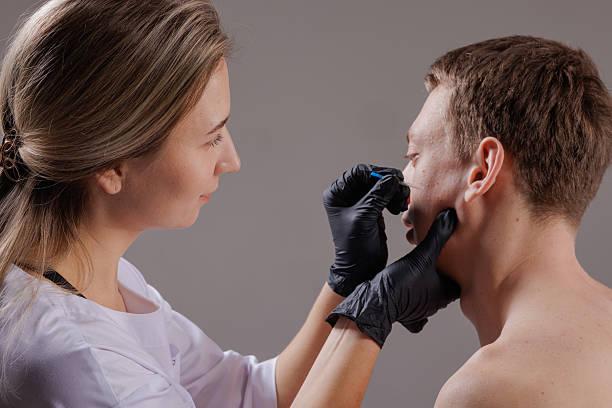
Jaw pain, stiffness, clicking, or difficulty opening the mouth can make everyday activities uncomfortable. For patients considering TMJ Treatment in Dubai, knowing what happens during an evaluation and treatment can make the process easier to understand and prepare for.
What Happens During a TMJ Evaluation?
The process usually begins with a discussion about your symptoms, dental history, and any habits that may affect the jaw.
The dentist then examines the jaw joints, chewing muscles, teeth, and bite to identify possible sources of discomfort.
What Symptoms Should You Mention?
Tell your dentist about jaw pain, clicking, popping, locking, headaches, facial tenderness, difficulty chewing, or changes in how your teeth meet.
Details about when symptoms occur can also help the dentist understand the problem.
Mention Teeth Grinding
If you grind or clench your teeth, particularly during sleep, mention this during your appointment.
Grinding can place repeated pressure on the jaw muscles and joints.
Mention Jaw Locking
Difficulty opening or closing the mouth should also be discussed because it may require additional evaluation.
Dental Clinic for TMJ Assessment
A Dental Clinic can examine jaw movement and evaluate the teeth, bite, muscles, and temporomandibular joints.
Depending on the findings, the dentist may recommend imaging to obtain a clearer view of the jaw structures.
Will X-Rays Be Needed?
Not every TMJ patient requires imaging. However, X-rays or other scans may be recommended when the dentist needs additional information about the joint, bone, or surrounding structures.
The type of imaging depends on the symptoms and examination findings.
What Happens After Diagnosis?
Once the likely cause has been identified, the dentist can explain suitable treatment options.
Many patients may initially receive conservative recommendations designed to reduce jaw strain and improve comfort.
What Are Conservative Treatment Options?
Conservative care may include softer foods for a limited period, avoiding excessive gum chewing, reducing clenching, jaw exercises, stress management, or an appropriate oral appliance.
The recommendations depend on the individual's symptoms and dental condition.
Can a Mouthguard Be Recommended?
A custom oral appliance may be recommended when teeth grinding or clenching contributes to symptoms.
A dentist should determine whether an appliance is appropriate and ensure it suits your bite and dental needs.
Can Jaw Exercises Be Part of Treatment?
Gentle exercises may help some patients improve jaw movement or reduce muscle tension.
Exercises should be performed according to professional guidance and should not cause significant pain.
What About Physical Therapy?
Physical therapy may be considered when muscle tension or movement problems contribute to TMJ symptoms.
A suitable program can focus on improving mobility and supporting comfortable jaw function.
Can Diet Affect Recovery?
Foods that require extensive chewing can place additional stress on an already uncomfortable jaw.
Temporarily choosing softer foods and avoiding very hard or sticky items may make eating more comfortable.
How Does Stress Affect TMJ Symptoms?
Stress can increase muscle tension and encourage unconscious jaw clenching.
Relaxation techniques and awareness of jaw position may help reduce unnecessary pressure on the jaw.
How Long Does TMJ Treatment Take?
There is no standard treatment duration for every patient.
Some people may improve after making simple changes, while others require longer-term management and follow-up.
What Can You Expect During Recovery?
Recovery depends on the treatment approach and the underlying cause of the symptoms.
Your dentist may monitor jaw movement, discomfort, and other symptoms during follow-up appointments.
When Should You Return for Follow-Up?
Follow-up appointments allow the dentist to determine whether symptoms are improving and whether the treatment plan needs adjustment.
The timing depends on your individual condition and treatment approach.
Can TMJ Symptoms Return?
Symptoms may return if contributing factors such as clenching, grinding, or excessive jaw strain continue.
Maintaining recommended habits and following professional advice can support long-term jaw health.
When Should You Seek Urgent Evaluation?
Significant jaw locking, severe pain, major swelling, or sudden difficulty opening or closing the mouth should receive prompt professional attention.
Other dental or medical conditions can sometimes produce similar symptoms, making proper evaluation important.
Maintaining Healthy Jaw Function
Understanding what to expect during TMJ care can make it easier to participate in treatment and follow recommended lifestyle changes. Consistent dental care can also help identify related oral health concerns.
For patients considering TMJ Treatment, a professional dental assessment can explain the evaluation process, identify possible causes of jaw discomfort, and provide personalized guidance for improving comfortable jaw movement.

 English
 Arabic
 French
 Spanish
 Portuguese
 Deutsch
 Turkish
 Dutch
Dutch
 Russian
 Romaian
 Portuguese (Brazil)
 Greek
Greek
