
Why Shared EV Mobility Is Reshaping Urban Transportation
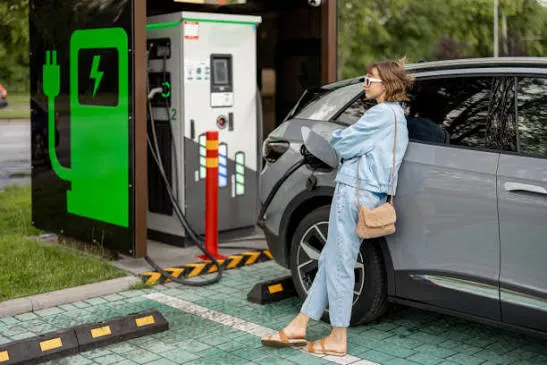
Urban transportation is evolving as cities seek cleaner, more efficient ways to move people while reducing congestion and emissions. Shared mobility services have already transformed how commuters access transportation without relying on private vehicle ownership. At the same time, the rapid adoption of electric vehicles is creating new opportunities for operators to deliver cost-effective, environmentally conscious mobility solutions. Together, these developments are redefining how individuals travel for work, leisure, and daily activities across the United States.
The U.S. Electric Vehicle Shared Mobility Market reflects this transition toward cleaner and more connected transportation ecosystems. As highlighted in a recent electric mobility ecosystem analysis, the sector encompasses shared electric cars, ride-hailing fleets, car-sharing platforms, micro-mobility solutions, charging infrastructure integration, and digital fleet management technologies. This convergence of electrification and shared transportation is enabling operators to improve sustainability while offering flexible travel options for consumers.
Another defining aspect of this evolving landscape is the growing use of intelligent fleet management technologies. Digital platforms equipped with artificial intelligence, predictive maintenance tools, and real-time vehicle tracking help operators maximize fleet utilization while improving customer experiences. These capabilities also enable better route planning, reduced operational costs, and more efficient charging schedules, making shared electric transportation increasingly practical for urban mobility providers.
Urban Sustainability Is Driving New Mobility Models
Many metropolitan areas continue to implement policies aimed at lowering greenhouse gas emissions and improving air quality. Electric shared transportation supports these objectives by reducing dependence on conventional fuel-powered vehicles while encouraging greater utilization of each vehicle throughout its operational life. Compared with privately owned vehicles that remain parked for much of the day, shared electric fleets can achieve significantly higher utilization rates, allowing cities to optimize transportation resources.
Public transit agencies, municipal governments, and private mobility providers are increasingly collaborating to integrate electric shared mobility into broader transportation networks. Such partnerships create multimodal ecosystems where commuters can seamlessly combine buses, trains, bicycles, scooters, and electric ride-sharing services through unified digital platforms.
Advancements in Charging Infrastructure Improve Operations
The success of shared electric mobility depends heavily on reliable charging infrastructure. Fleet operators require dependable charging networks capable of supporting continuous vehicle availability while minimizing downtime. Fast-charging technologies, smart charging software, and strategically located charging hubs help maximize operational efficiency.
Energy management systems are also becoming increasingly sophisticated. Operators can schedule charging during periods of lower electricity demand, reducing operating expenses while supporting grid stability. Integration with renewable energy sources further enhances sustainability by lowering the carbon footprint associated with vehicle charging. According to the International Energy Agency, expanding charging infrastructure remains essential for accelerating electric vehicle adoption worldwide.
Digital Technologies Enhance Customer Experience
Digital innovation plays a central role in the growth of shared electric mobility services. Mobile applications allow users to locate available vehicles, make reservations, unlock cars remotely, complete secure digital payments, and receive real-time navigation assistance. These user-friendly experiences encourage greater adoption by simplifying every stage of the customer journey.
Artificial intelligence and machine learning further improve service quality through predictive demand forecasting, dynamic pricing, and optimized fleet distribution. By analyzing travel patterns and customer behavior, operators can position vehicles where demand is expected to be highest, reducing wait times while increasing utilization efficiency. The U.S. Department of Energy has also highlighted intelligent transportation technologies as an important component of future mobility systems.
Fleet Electrification Supports Long-Term Cost Efficiency
Although electric vehicles often require higher initial investment than conventional vehicles, their lower operating and maintenance costs provide attractive long-term economic benefits. Electric drivetrains contain fewer moving components, reducing maintenance requirements while improving overall fleet reliability.
Fleet operators also benefit from lower fuel expenses, especially as electricity prices remain relatively stable compared with traditional fuel markets. Combined with predictive maintenance systems and connected vehicle diagnostics, these operational efficiencies contribute to stronger business performance while supporting environmental objectives.
Future Mobility Will Depend on Ecosystem Collaboration
The continued expansion of shared electric transportation will require close collaboration among automakers, charging infrastructure providers, technology companies, utilities, regulators, and mobility platforms. Successful integration of these stakeholders will help address challenges related to charging availability, fleet optimization, consumer adoption, and infrastructure investment.
As connected technologies, autonomous driving capabilities, and battery innovations continue to advance, shared electric mobility is expected to become an increasingly important element of sustainable transportation systems. Rather than replacing existing transit options, these services are likely to complement public transportation by providing convenient first-mile and last-mile connectivity while improving overall urban mobility efficiency.
Growing investments in digital infrastructure, intelligent fleet management, and vehicle electrification indicate that shared electric transportation will remain an important area of innovation for cities seeking cleaner, smarter, and more resilient mobility solutions in the years ahead.

 English
 Arabic
 French
 Spanish
 Portuguese
 Deutsch
 Turkish
 Italiano
 Russian
 Romaian
 Portuguese (Brazil)
 Greek
Greek
