
Nose Surgery in Islamabad: A Complete Guide to Rhinoplasty and Recovery
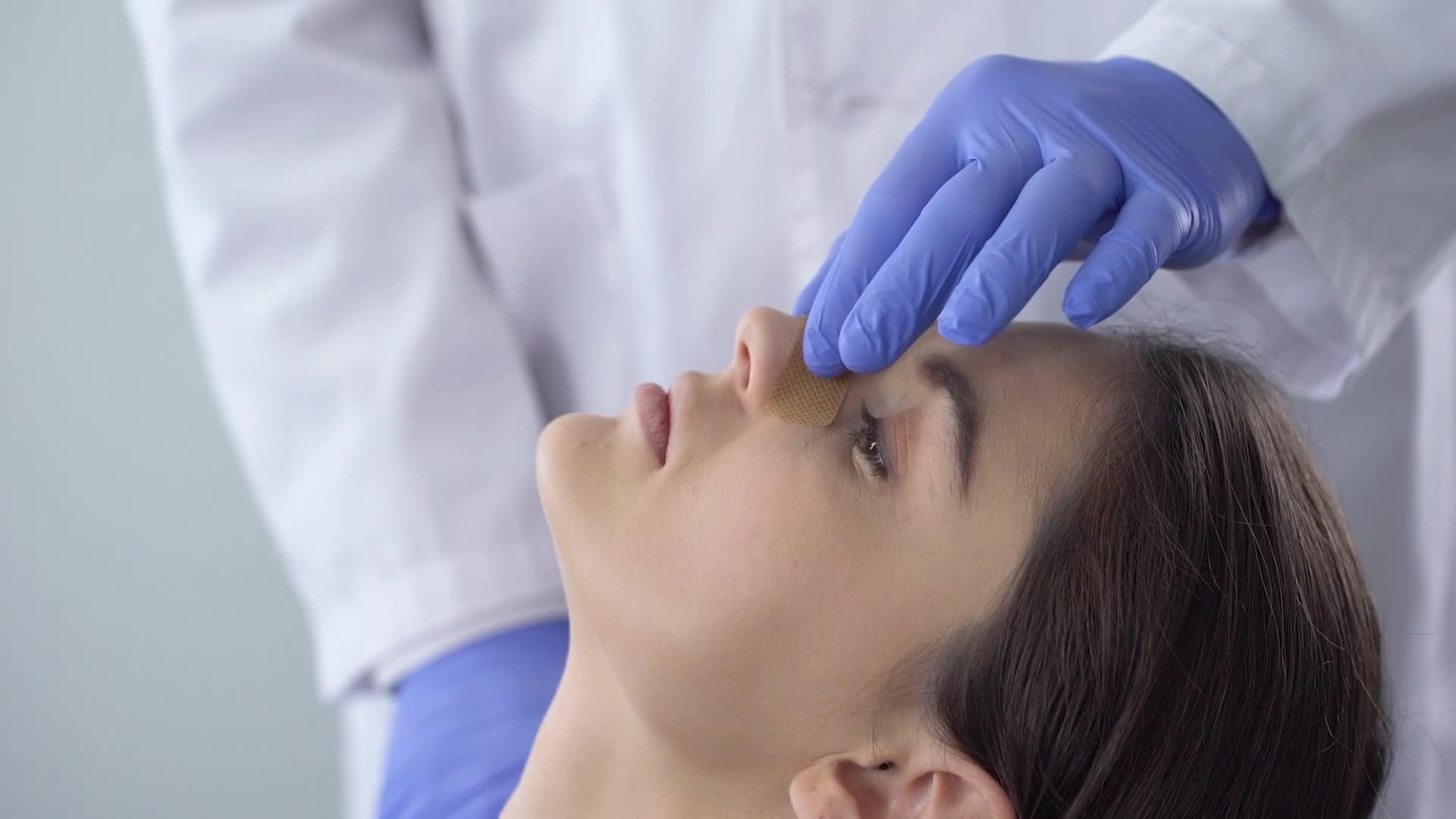
Nose surgery, medically known as rhinoplasty, is a procedure designed to reshape or reconstruct the nose to improve facial balance, appearance, or nasal function. People may consider rhinoplasty to address a nasal hump, wide nostrils, an uneven or drooping tip, asymmetry, or breathing difficulties caused by structural problems.
For people considering Nose Surgery in Islamabad, understanding the procedure, preparation, recovery, and potential risks can help them make a more informed decision. Rhinoplasty is highly individualized, so the surgical approach and expected results depend on the patient's nasal structure, facial proportions, and personal goals.
What Is Rhinoplasty?
Rhinoplasty is a surgical procedure that changes the shape, size, or structure of the nose. It may be performed for cosmetic reasons or to improve breathing when structural problems affect the nasal airway. Depending on the individual's needs, the procedure can modify the bridge, nasal tip, nostrils, or other nasal structures.
There are two commonly discussed approaches: open and closed rhinoplasty. Open rhinoplasty involves a small incision between the nostrils, while closed rhinoplasty uses incisions inside the nose. The appropriate technique depends on the changes required and the surgeon's assessment.
Who May Be a Suitable Candidate?
Rhinoplasty is generally considered for people whose facial growth is complete and who are physically healthy. A suitable candidate should also have realistic expectations about what surgery can achieve.
During consultation, the patient's breathing, nasal structure, facial proportions, previous surgeries, medications, and desired outcome may be evaluated. This assessment helps determine whether rhinoplasty is appropriate and which surgical approach may be suitable.
How Is Nose Surgery Performed?
The exact procedure varies from patient to patient. Rhinoplasty may involve reshaping bone or cartilage, adjusting the nasal tip, narrowing or modifying the nostrils, or improving structural support. In some cases, graft material may be used to build or reinforce parts of the nose.
Before surgery, patients may receive specific instructions regarding medications, smoking, supplements, and other factors that could influence healing or bleeding. Arranging transportation home and having someone available during the initial recovery period may also be recommended.
What to Expect During Rhinoplasty Recovery
Recovery is an important part of the overall rhinoplasty experience. A splint or dressing may be placed over the nose after surgery to protect and support the healing structures. Swelling, bruising, congestion, tenderness, and temporary difficulty breathing through the nose can occur during the early recovery period.
Many patients need around one to two weeks away from work, depending on the nature of their job and individual healing. Strenuous exercise and activities that could put the nose at risk are usually restricted for several weeks.
It is important to remember that recovery does not end when the splint is removed. Initial swelling can improve within weeks, but subtle swelling may continue for months. The final nasal contour can take up to a year or longer to fully refine.
Tips for a Smoother Recovery
Following postoperative instructions carefully can support proper healing. Patients may be advised to keep their head elevated while resting, avoid unnecessary pressure on the nose, protect the surgical area from injury, and gradually return to normal activities according to professional guidance.
Avoiding strenuous exercise and contact activities during the recommended healing period is particularly important because the nasal bones and cartilage remain vulnerable while they heal. Patients should also attend scheduled follow-up appointments so their recovery can be monitored.
Possible Risks of Rhinoplasty
Like any surgical procedure, rhinoplasty has potential risks. These may include bleeding, infection, changes in skin sensation, swelling, scarring, breathing difficulties, poor wound healing, or dissatisfaction with the cosmetic result. In some cases, additional surgery may be required.
Discussing these possibilities during consultation is important. Patients should also ask about the surgeon's experience, surgical facility, expected recovery, possible complications, and realistic outcomes before proceeding.
FAQs About Nose Surgery in Islamabad
How long does rhinoplasty recovery take?
Initial recovery commonly takes several weeks, but swelling can continue to improve gradually for many months. The final nasal shape may take up to a year or longer to become fully refined.
When can I return to work after nose surgery?
Many people take approximately one to two weeks off work, although the exact time depends on the type of work and individual recovery.
Is rhinoplasty only performed for cosmetic reasons?
No. Rhinoplasty can also be used to address structural problems that contribute to impaired nasal breathing.
Is swelling normal after rhinoplasty?
Yes. Swelling is a normal part of recovery and may fluctuate during the healing process. Some swelling, particularly around the nasal tip, can remain for an extended period.
When can I exercise after rhinoplasty?
The timing varies, but strenuous exercise and contact sports are generally restricted for several weeks. Your healthcare professional should determine when it is safe to resume specific activities.
Final Thoughts
Rhinoplasty can reshape the nose, improve facial proportions, and, in selected cases, address structural breathing concerns. However, achieving a satisfactory outcome involves more than the procedure itself. Careful consultation, realistic expectations, appropriate preparation, and following postoperative instructions are all important parts of the process. Anyone considering Nose Surgery in Islamabad should discuss their individual goals, suitability, expected recovery, and potential risks with a qualified healthcare professional before making a decision.

 English
 French
 Spanish
 Portuguese
 Deutsch
 Turkish
 Dutch
Dutch
 Italiano
 Russian
 Romaian
 Portuguese (Brazil)
 Greek
Greek
