
Understanding Abdominal Contouring With Tummy Tuck in Islamabad
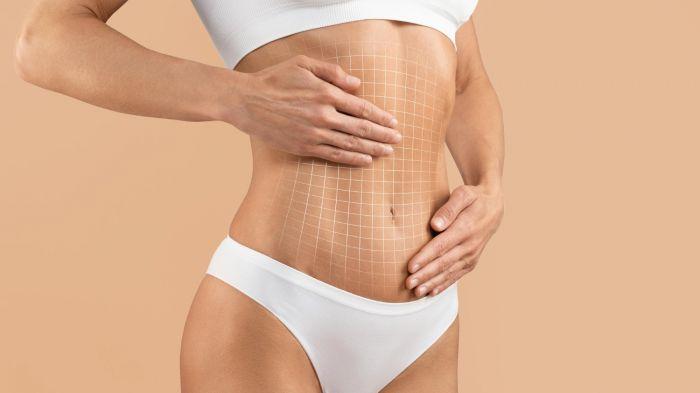
A flatter, firmer abdomen is a common aesthetic goal, particularly after pregnancy, significant weight loss, or years of weight fluctuations. However, abdominal contouring is not simply about removing excess skin—it involves understanding the relationship between skin, fat, muscles, and natural body proportions. For suitable candidates, Tummy Tuck in Islamabad can be an effective surgical approach for improving abdominal contours and creating a smoother, more balanced appearance.
What Is Abdominal Contouring?
Abdominal contouring refers to procedures designed to improve the shape and appearance of the stomach area. A tummy tuck, also known as abdominoplasty, is one of the most comprehensive surgical options for people with significant loose abdominal skin.
The purpose is contour improvement, not general weight loss. Depending on the patient's anatomy, a tummy tuck can remove excess skin and may address abdominal muscle laxity when clinically appropriate.
The procedure is tailored to each person because abdominal concerns can have different causes.
Why Does the Abdomen Lose Its Shape?
The abdominal area can change for many reasons. Pregnancy can stretch the skin and abdominal wall, while significant weight loss can leave behind loose tissue that does not tighten naturally.
Ageing and genetics can also affect abdominal contours. Some people naturally store more fat around the stomach, while others experience skin laxity despite maintaining a relatively stable weight.
Understanding the underlying reason for abdominal changes is important because it helps the surgeon determine which approach may provide meaningful improvement.
Tummy Tuck in Islamabad: What Does It Address?
When considering Tummy Tuck in Islamabad, it is important to understand what the procedure is designed to correct. The treatment primarily focuses on excess abdominal skin and, where appropriate, underlying muscle laxity.
- Excess skin: Loose or hanging abdominal tissue can be surgically removed.
- Lower-abdominal laxity: Sagging skin around the lower stomach can be reduced.
- Abdominal muscle laxity: Muscle repair may be considered when clinically appropriate.
- Post-pregnancy changes: Certain abdominal changes following pregnancy may be improved.
- Post-weight-loss skin: Excess tissue after significant weight loss may be addressed.
- Overall contour: Repositioning the remaining skin can create a smoother abdominal profile.
The exact correction depends on individual anatomy. Not every patient requires the same amount of skin removal or the same surgical technique.
How Does a Tummy Tuck Improve Abdominal Contours?
During abdominoplasty, the surgeon typically makes a carefully planned incision in the lower abdominal area. The abdominal skin is separated from underlying tissues, allowing excess skin to be removed.
The remaining skin is then repositioned and closed in a controlled manner. This can create a smoother and firmer appearance across the abdomen.
The surgeon also considers the position of the belly button and the overall proportions of the abdomen when developing the surgical plan.
The Role of Abdominal Muscles
The appearance of the abdomen is not determined by skin alone. The underlying abdominal wall can also affect whether the stomach looks flat, rounded, or loose.
Pregnancy can sometimes result in separation or stretching of the abdominal muscles. When appropriate, muscle repair can be incorporated into a tummy tuck to improve abdominal-wall contour.
However, muscle repair is not automatically necessary for every patient. The surgeon should assess the abdominal wall before deciding whether it should be part of the procedure.
Skin Elasticity and Contouring
Skin elasticity varies significantly between individuals. Pregnancy, ageing, genetics, and substantial weight changes can reduce the skin's ability to contract after stretching.
A tummy tuck can remove excess skin, but it cannot completely change the natural quality of the remaining skin. This is why skin assessment is an important part of the consultation.
Patients with different levels of skin elasticity may require different surgical approaches and may experience different healing patterns.
Abdominal Contouring After Pregnancy
Pregnancy is one of the most common reasons women explore abdominal contouring. The abdomen may remain stretched even after returning to a healthy weight.
Post-pregnancy changes can involve both skin and deeper abdominal tissues. Some women primarily have loose skin, while others may also have muscle separation or changes around the belly button.
Women considering surgery should discuss whether they plan to have more children. Another pregnancy can stretch the abdominal tissues again and potentially affect the results.
Abdominal Contouring After Weight Loss
Significant weight loss can transform a person's health and body, but it may leave excess skin around the stomach. Exercise can strengthen muscles but may not remove large amounts of stretched skin.
A stable weight is generally an important consideration before body-contouring surgery. If significant weight loss is still expected, waiting until weight has stabilised may make the surgical outcome more predictable.
During consultation, the surgeon can assess the location and amount of excess skin and determine whether abdominoplasty is appropriate.
Tummy Tuck Is Not a Weight-Loss Procedure
One common misconception is that a tummy tuck is designed to help someone lose a large amount of weight. Although removing excess tissue can result in some weight reduction, the primary purpose is improving body contour.
Abdominoplasty should be considered a body-contouring procedure. Patients should ideally be near a healthy, maintainable weight before surgery.
Maintaining a stable weight afterward can also help preserve the improved abdominal shape.
Natural-Looking Abdominal Proportions
Good abdominal contouring is not necessarily about creating the flattest possible stomach. The surgeon must consider how the abdomen relates to the waist, hips, ribcage, and overall body structure.
Proportion is key to a natural-looking result. Excessive tightening or an approach that ignores the patient's natural body shape may produce an appearance that does not look harmonious.
Personalised planning allows the surgeon to focus on improving the abdomen while maintaining appropriate overall proportions.
Belly Button Planning
The belly button is an important central feature of the abdomen. When abdominal skin is repositioned, the surgeon needs to carefully plan its position and appearance.
A natural-looking belly button should blend with the surrounding abdominal contour. Its location, shape, and relationship to the waistline are considered as part of the overall surgical design.
This is one reason why detailed preoperative planning matters in abdominoplasty.
The Importance of Surgical Precision
Abdominal contouring requires careful attention to detail. The surgeon must determine where to place the incision, how much skin to remove, whether muscle repair is needed, and how the remaining tissues should be positioned.
Small surgical decisions can influence the final contour. Precision is particularly important when the goal is a balanced and natural-looking abdomen.
A personalised approach can also help the surgeon account for previous scars, skin quality, and individual anatomical differences.
Recovery After Abdominal Contouring
Recovery after a tummy tuck varies from patient to patient. Swelling, bruising, tightness, and discomfort may occur during the early healing period.
Recovery should not be rushed. Patients generally need to follow their surgeon's instructions regarding walking, lifting, exercise, wound care, and returning to normal activities.
The final abdominal contour may take time to become apparent as swelling gradually decreases and the tissues settle.
Maintaining Your Results
A tummy tuck can provide long-lasting contour improvement, but future changes to your body can affect the result. Significant weight fluctuations and pregnancy may stretch the abdominal tissues again.
Stable weight and healthy lifestyle habits can support long-term results. Once your surgeon gives you clearance, regular physical activity and balanced nutrition can become part of your ongoing routine.
The procedure should complement—not replace—a healthy lifestyle.
Choosing the Right Surgeon
Choosing a qualified and experienced surgeon is one of the most important decisions when considering abdominoplasty. Your surgeon should evaluate your individual anatomy rather than applying the same approach to every patient.
A detailed consultation is the foundation of personalised treatment. Ask about the recommended technique, incision placement, potential risks, recovery, scarring, and realistic expectations.
You should feel informed about every major part of the procedure before deciding to proceed.
Final Thoughts
Abdominal contouring involves much more than simply removing loose skin. Skin elasticity, abdominal muscles, fat distribution, belly-button position, body proportions, pregnancy history, and weight changes can all influence the treatment plan. For suitable candidates, Tummy Tuck in Islamabad can provide meaningful improvements by addressing excess abdominal tissue and creating a smoother, more balanced contour.
For patients considering treatment, Dynamic Aesthetic Clinic offers cosmetic surgery expertise, board-certified surgeons, and advanced techniques relevant to personalised tummy tuck procedures and abdominal contouring.

 English
 Arabic
 French
 Spanish
 Deutsch
 Turkish
 Dutch
Dutch
 Italiano
 Russian
 Romaian
 Portuguese (Brazil)
 Greek
Greek
