
Liposuction Recovery: A Complete Healing Guide
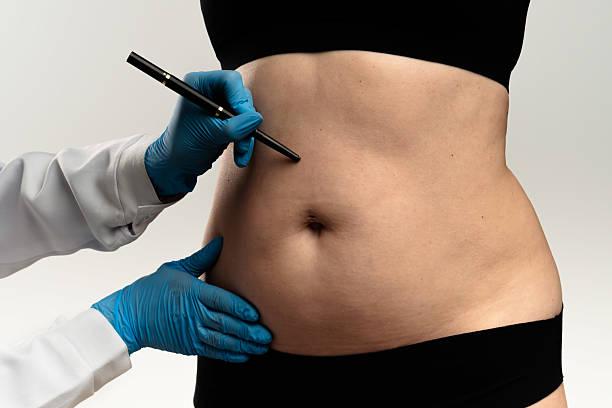
Liposuction is a popular body contouring procedure that removes stubborn fat deposits and enhances body shape. While the procedure itself can produce impressive results, the recovery process plays a major role in achieving the best possible outcome. Understanding what to expect during healing can help patients prepare for recovery, manage expectations, and support long-lasting results.
Understanding Liposuction Recovery
Recovery after liposuction in Riyadh varies from person to person depending on the treatment area, the amount of fat removed, overall health, and individual healing response. Most patients can return to many normal activities within a few weeks, but complete healing and final results may take several months.
Goals of Recovery
- Minimize swelling and bruising.
- Support proper tissue healing.
- Improve comfort during recovery.
- Enhance final body contours.
- Reduce the risk of complications.
Following post-procedure instructions is essential for achieving optimal results.
The First 24 Hours After Liposuction
The first day after treatment is focused on rest and early healing.
What to Expect
- Mild to moderate discomfort.
- Swelling in treated areas.
- Bruising may begin to appear.
- Temporary drainage from incision sites.
- Fatigue and reduced energy levels.
Patients are typically encouraged to walk short distances to promote healthy circulation and reduce the risk of blood clots.
The First Week of Recovery
The first week is usually when swelling and bruising are most noticeable.
Common Symptoms
- Tenderness in treated areas.
- Visible bruising.
- Swelling and firmness.
- Mild numbness.
- Temporary fluid retention.
Recovery Tips
- Wear compression garments as directed.
- Stay hydrated.
- Take prescribed medications as instructed.
- Avoid strenuous activities.
- Get adequate rest.
Many patients take several days away from work during this period, depending on the nature of their job.
Weeks 2–4: Early Healing Stage
During the second through fourth weeks, the body begins adapting to the changes created by liposuction.
Improvements You May Notice
- Bruising gradually fades.
- Swelling begins to decrease.
- Discomfort becomes more manageable.
- Daily activities become easier.
- Body contours start becoming visible.
Activity Guidelines
Light activities are often encouraged, while intense exercise may still need to be postponed until approved by the healthcare provider.
One to Three Months After Liposuction
This stage often brings the most noticeable improvements.
Physical Changes
- Significant reduction in swelling.
- Better contour definition.
- Improved mobility and comfort.
- Increased confidence in appearance.
What Patients Typically See
- Slimmer treated areas.
- Enhanced body proportions.
- More visible shaping results.
Many individuals begin seeing substantial changes in their body contour during this period.
Three to Six Months After Liposuction
Healing continues even when patients feel fully recovered.
Ongoing Improvements
- Residual swelling continues to resolve.
- Skin adapts to the new contours.
- Treated areas become smoother.
- Results look increasingly natural.
At this stage, the body begins to reveal a more refined version of the final outcome.
Six to Twelve Months: Final Recovery Phase
Complete healing can take up to a year.
Final Results
- Remaining swelling disappears.
- Scar maturation continues.
- Skin contraction reaches its full potential.
- Body contours become fully apparent.
Most patients can appreciate their long-term results during this period.
Managing Swelling After Liposuction
Swelling is a normal and expected part of the recovery process.
Why Swelling Occurs
The body's natural healing response causes fluid accumulation in treated tissues.
Ways to Reduce Swelling
- Wear compression garments consistently.
- Stay active with light walking.
- Maintain proper hydration.
- Follow all recovery instructions.
- Avoid excessive sodium intake.
Swelling gradually decreases over several weeks and months.
The Role of Compression Garments
Compression garments are commonly recommended after liposuction.
Benefits of Compression Garments
- Support healing tissues.
- Reduce swelling.
- Improve comfort.
- Encourage smoother contours.
- Help the skin adapt to underlying tissues.
Patients are usually instructed to wear these garments for several weeks after treatment.
Importance of Lymphatic Drainage Massage
Some patients choose lymphatic drainage massage as part of their recovery plan.
Potential Benefits
- Encourages fluid movement.
- Helps reduce swelling.
- May improve comfort.
- Supports the healing process.
- Promotes smoother contour development.
Massage should only be performed according to professional guidance and appropriate timing during recovery.
Nutrition and Hydration During Recovery
Healthy nutrition can support tissue repair and overall healing.
Recommended Habits
- Eat protein-rich foods.
- Consume fruits and vegetables.
- Stay well hydrated.
- Limit highly processed foods.
- Reduce excessive salt intake.
Proper nutrition provides the body with essential resources for recovery.
Returning to Exercise
Physical activity is an important part of maintaining results, but timing matters.
General Recovery Progression
Early Recovery
- Light walking is encouraged.
Intermediate Recovery
- Gradual return to moderate activities.
Advanced Recovery
- Full exercise routines may resume when medically cleared.
Following professional recommendations helps avoid unnecessary strain on healing tissues.
Signs of Healthy Recovery
Most patients experience a steady improvement throughout the healing process.
Positive Indicators
- Gradually decreasing swelling.
- Reduced discomfort.
- Improving body contours.
- Increased mobility.
- Better energy levels.
These changes suggest that the body is healing appropriately.
When to Contact a Healthcare Provider
While recovery is generally straightforward, patients should seek medical attention if they experience:
- Severe or worsening pain.
- Excessive swelling.
- Signs of infection.
- Significant redness or warmth.
- Unusual drainage.
- Difficulty breathing or chest pain.
Prompt evaluation helps ensure proper management of any concerns.
Maintaining Long-Term Results
Liposuction permanently removes fat cells from treated areas, but maintaining results requires ongoing healthy habits.
Long-Term Success Tips
- Maintain a stable weight.
- Exercise regularly.
- Follow a balanced diet.
- Stay hydrated.
- Avoid major weight fluctuations.
These habits help preserve body contours and support long-lasting satisfaction.
Conclusion
Liposuction recovery is a gradual process that unfolds over several weeks and months. While initial healing occurs during the first few weeks, final results often continue to develop for up to a year. By understanding each stage of recovery, following post-treatment recommendations, and maintaining healthy lifestyle habits, patients can support optimal healing and enjoy smooth, natural-looking body contour improvements for years to come.

 English
 Arabic
 French
 Spanish
 Portuguese
 Deutsch
 Turkish
 Italiano
 Russian
 Romaian
 Portuguese (Brazil)
 Greek
Greek
