
Digital Utility Market Outlook: Transforming the Future of Energy and Infrastructure
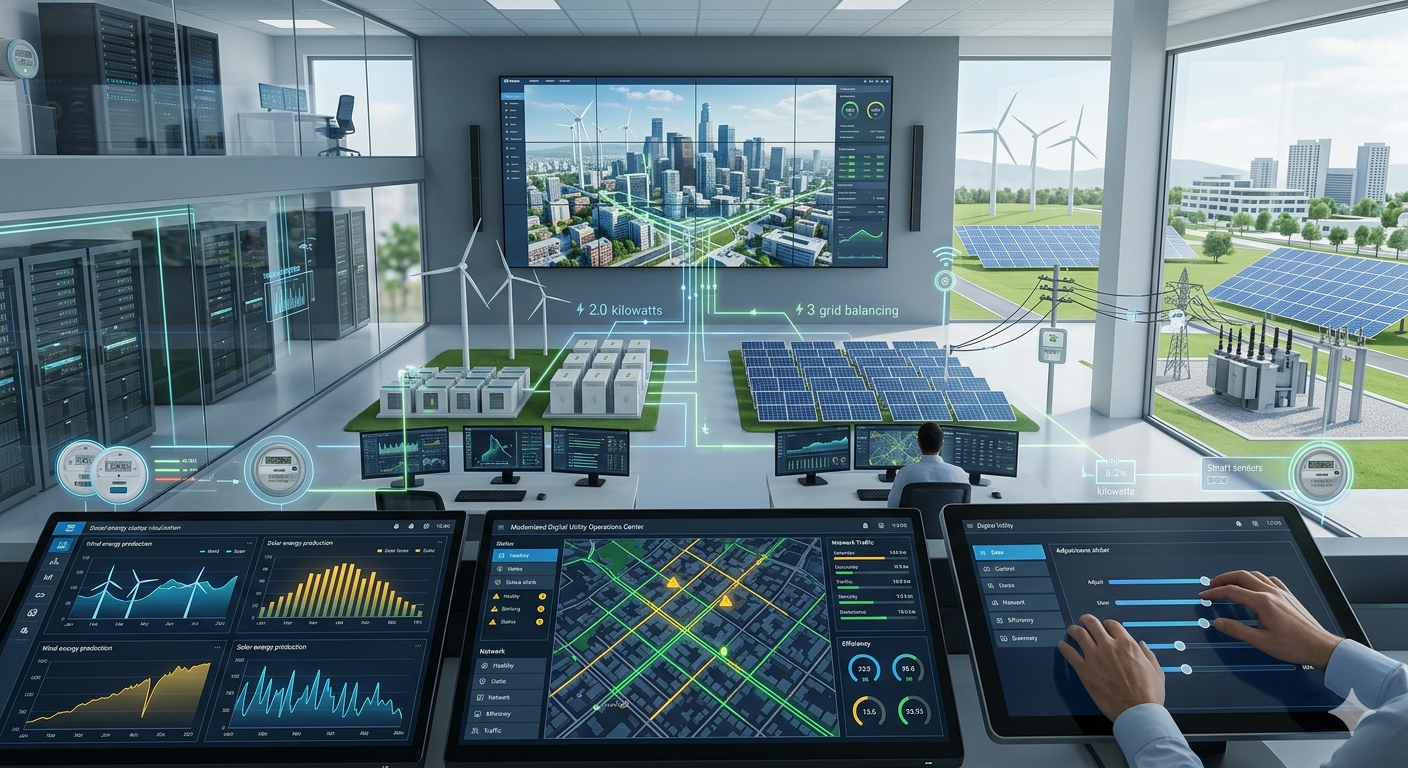
The Digital Utility Market is rapidly evolving as energy providers and infrastructure companies embrace advanced technologies to enhance efficiency, reliability, and sustainability. With the increasing integration of smart systems and automation, the digital utility market is becoming a cornerstone of modern energy ecosystems. This shift is driven by the need for real-time data analysis, improved grid management, and enhanced customer engagement across the utility industry.
Emerging Trends in the Digital Utility Landscape
The rise of digital utilities is closely linked with the adoption of smart meter system technologies and IoT energy monitoring solutions. These innovations enable utilities to collect and analyze vast amounts of data, leading to better demand forecasting and optimized energy distribution. A connected utility device plays a crucial role in ensuring seamless communication between different components of the energy grid, helping companies improve operational efficiency.
In addition, the integration of industrial measurement system tools allows for precise monitoring of energy usage and system performance. As technology in utility continues to advance, companies are leveraging artificial intelligence, cloud computing, and big data analytics to transform traditional infrastructure into intelligent networks.
Market Drivers and Growth Opportunities
The growth of the digital power utility market is fueled by increasing investments in smart grid infrastructure and the rising demand for sustainable energy solutions. Governments and private organizations are focusing on reducing carbon emissions, which has accelerated the adoption of digital utility solutions worldwide.
Furthermore, utility industry trends indicate a growing emphasis on customer-centric services. Digital platforms allow consumers to track their energy consumption, manage billing, and make informed decisions about energy usage. This transformation is creating new opportunities for innovation and expansion within the utility market.
The evolving landscape also connects with adjacent sectors such as the Coupled Inductor Market, which supports advanced electronic systems, and the South Korea Service Robotics Market, where automation technologies are influencing smart infrastructure development.
Challenges and Strategic Developments
Despite its promising growth, the digital utility market faces challenges such as cybersecurity risks, high initial investment costs, and integration complexities. As utilities transition from legacy systems to digital platforms, ensuring data security and system resilience becomes critical.
However, ongoing advancements in digital utilities are addressing these challenges through enhanced encryption methods, robust network architectures, and scalable solutions. Companies are also investing in research and development to create more efficient and cost-effective technologies.
Future Outlook of the Digital Utility Market
Looking ahead, the digital utility market is expected to witness significant expansion as more regions adopt smart infrastructure initiatives. The convergence of renewable energy sources, advanced analytics, and connected systems will continue to redefine how utilities operate.
With continuous innovation and growing adoption of digital solutions, the utility market research suggests a strong trajectory for the industry. The integration of intelligent systems will not only improve operational efficiency but also contribute to a more sustainable and resilient energy future.
FAQs
1. What is the digital utility market?
The digital utility market refers to the integration of digital technologies such as IoT, AI, and data analytics into traditional utility systems to improve efficiency, monitoring, and customer engagement.
2. What are the key drivers of the digital utility market?
Key drivers include the adoption of smart grids, increasing demand for energy efficiency, government initiatives for sustainability, and advancements in IoT energy monitoring.
3. How do digital utilities benefit consumers?
Digital utilities provide real-time insights into energy usage, improve service reliability, and enable better control over energy consumption through smart systems.
Discover Localized Data And Forecasts Across Key Global Regions And Individual Country Markets:
Indian Mobile Components Manufacturing Assembly Market
Industrial Control For Process Automation Market
Industrial Logic Integrated Circuit Market
Industrial Machine Vision Lens Market

 English
 Arabic
 French
 Portuguese
 Deutsch
 Turkish
 Dutch
Dutch
 Italiano
 Russian
 Romaian
 Portuguese (Brazil)
 Greek
Greek