
Ship Building Companies in UAE: Advanced Engineering Behind Modern Marine Vessels
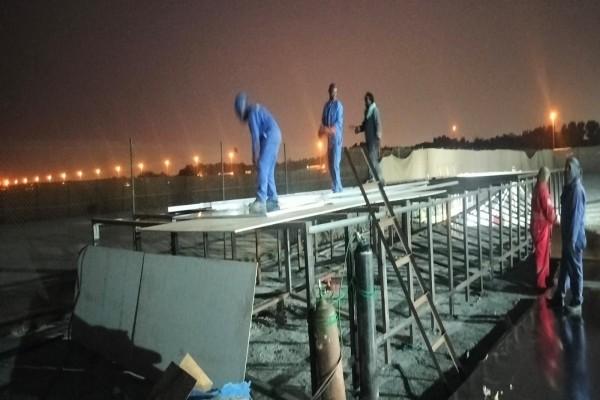
The UAE has become a major maritime hub because of its strategic location, modern ports, long coastline, and growing offshore activities. Ship building companies in UAE are contributing to this growth by using advanced engineering, modern construction techniques, lightweight materials, and efficient marine technologies to build vessels for different commercial and industrial needs.
The scale of the country's maritime activity shows why vessel construction is becoming increasingly important. According to UNCTAD's 2024 maritime profile, the UAE had 672 ships under its national flag, while its nationally owned fleet represented around 54.3 million deadweight tonnes (DWT). The country also recorded approximately 21.14 million TEUs of container port throughput in 2024. These numbers reflect the strong connection between shipping, logistics, ports, offshore operations, and marine construction.
Advanced Engineering Behind Modern Vessels
Modern ship manufacturing companies in UAE are using engineering methods that go far beyond traditional boat construction. The process usually starts with detailed planning and digital design. Engineers use computer-aided design, 3D modelling, structural calculations, and hydrodynamic analysis to understand how a vessel will perform before construction begins.
This approach helps identify possible design problems early. Engineers can study the hull, machinery spaces, electrical systems, piping, and accommodation areas in a digital environment. As a result, construction can become more accurate and efficient.
Hydrodynamic analysis is another important part of vessel engineering. By studying how water moves around the hull, designers can reduce resistance and improve overall efficiency. This can be particularly useful for vessels that need high speed or operate for long hours.
Importance of Lightweight Materials
The choice of construction material can have a major impact on vessel performance. Steel is still widely used for larger vessels because of its strength and durability. However, aluminium is increasingly popular for vessels where lower weight and higher speed are important.
A lighter vessel generally needs less power to move through the water. This can improve acceleration, manoeuvrability, and fuel efficiency. Aluminium is therefore suitable for many workboats, patrol vessels, passenger craft, crew boats, and specialized marine vessels.
However, lightweight construction requires careful engineering. Proper welding, structural calculations, corrosion protection, material inspection, and quality control are necessary to maintain strength and long-term reliability.
Digital Technology in Shipbuilding
Technology is changing the way vessels are designed and constructed. Three-dimensional modelling allows engineers to create a detailed digital version of a vessel before physical fabrication starts. This makes it easier to identify clashes between structural components, piping, machinery, and electrical systems.
Digital tools can also improve production planning. Accurate measurements and digital fabrication information help reduce material waste and unnecessary rework. Once construction is completed, digital documentation can also support future maintenance and modifications.
For a modern vessel, this combination of engineering knowledge and digital technology can save time while improving construction accuracy.
Efficient Propulsion Systems
Propulsion is one of the most important factors affecting a vessel's operating performance. The engine, gearbox, propeller, hull, and control systems must work together efficiently.
Diesel engines remain common for many marine applications, but vessel designers are also considering more fuel-efficient engines, optimized propellers, hybrid systems, and battery-assisted technologies.
Hull design has an important role in this area. A properly optimized hull creates less resistance, allowing the vessel to achieve its required speed using less power. For vessel operators, improved efficiency can mean lower fuel costs and reduced emissions.
This is particularly valuable for vessels that operate continuously in ports, offshore areas, coastal waters, or commercial routes.
Growing Demand for Marine Support
The development of marine services in UAE is closely connected with the country's expanding shipping and offshore industries. A vessel needs support throughout its entire operational life, not only during construction.
Maintenance, inspection, repair, equipment upgrades, technical support, and regular servicing are all important for keeping vessels operational. Good maintenance can extend equipment life, reduce unexpected downtime, and help operators control long-term costs.
This creates a wider maritime ecosystem involving designers, builders, engineers, technicians, equipment suppliers, and maintenance specialists.
Safety Comes First
Safety is one of the most important aspects of marine engineering. Vessels operating in the UAE and surrounding waters may face high temperatures, strong winds, rough conditions, and demanding workloads.
Engineers therefore consider stability, structural strength, fire protection, emergency systems, navigation equipment, electrical systems, and machinery reliability during the design process.
Quality inspections are also essential. Welds, structural components, machinery installations, electrical connections, and safety equipment need to be checked carefully before a vessel enters service.
A well-engineered vessel should not only perform efficiently but should also remain safe and reliable during everyday operations.
Sustainability in Modern Vessel Construction
Environmental responsibility is becoming an important part of shipbuilding. Vessel designers are looking for practical ways to reduce fuel consumption, emissions, and material waste.
Lightweight construction, efficient hull shapes, modern propulsion systems, and improved electrical equipment can all contribute to better environmental performance. Hybrid and battery-assisted propulsion systems are also becoming more relevant for certain marine applications.
Sustainability can also be considered during construction. Better cutting methods, efficient use of materials, recycling, and improved production planning can help reduce manufacturing waste.
Why Engineering Expertise Matters
Building a modern vessel requires several areas of expertise working together. Naval architects focus on vessel design and hydrodynamics, structural engineers work on strength and durability, mechanical engineers handle propulsion and machinery, while electrical specialists manage power and onboard systems.
Fabrication and quality-control teams then turn these designs into a working vessel.
This is why top shipbuilding companies increasingly focus on engineering capabilities, construction quality, and long-term vessel performance. The goal is not simply to complete a vessel but to create a reliable marine platform that can perform its intended job efficiently.
VU Marine takes an engineering-focused approach by considering vessel performance, construction quality, operational requirements, and practical marine applications.
The Future of UAE Shipbuilding
The future of marine vessel construction in the UAE is likely to be shaped by digitalization, sustainability, and efficiency. Digital design tools will continue to improve accuracy, while modern fabrication methods can make production faster and more consistent.
At the same time, fuel-efficient propulsion, lightweight materials, and alternative energy technologies may help vessels reduce operating costs and environmental impact.
The UAE's strong maritime infrastructure provides a solid foundation for this development. As shipping, offshore operations, port activities, and marine logistics continue to grow, demand for specialized and technologically advanced vessels is likely to increase.
Conclusion
Advanced engineering is transforming modern vessel construction in the UAE. From digital modelling and hydrodynamic design to lightweight materials, efficient propulsion, safety systems, and sustainable technologies, every stage of construction now depends on careful engineering.
The UAE's growing maritime economy and strong port infrastructure create excellent opportunities for continued innovation in vessel construction. For VU Marine, the focus is not simply on building vessels but on developing safe, efficient, durable, and reliable marine solutions for changing operational needs.

 English
 Arabic
 French
 Spanish
 Portuguese
 Turkish
 Dutch
Dutch
 Italiano
 Russian
 Romaian
 Portuguese (Brazil)
 Greek
Greek
